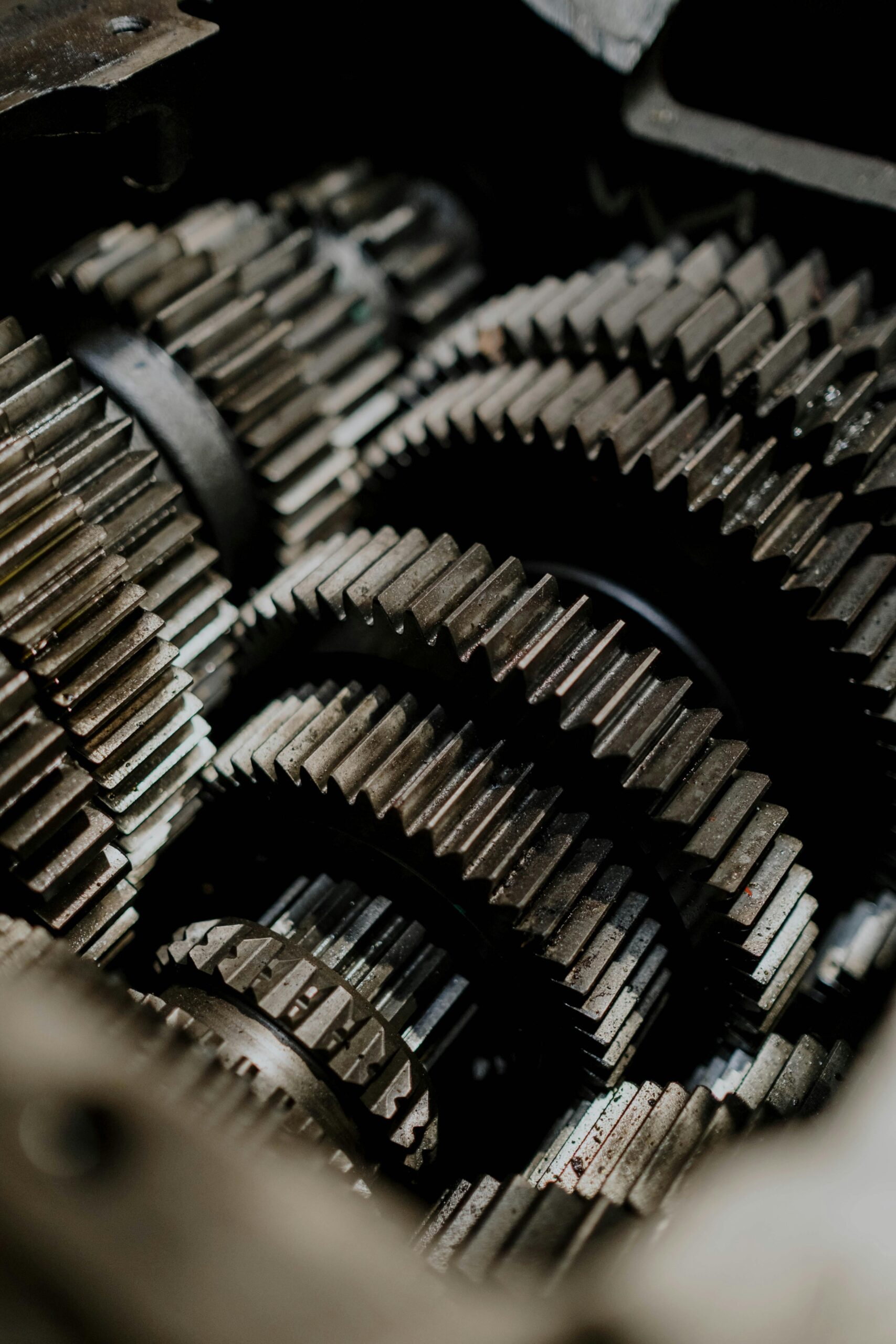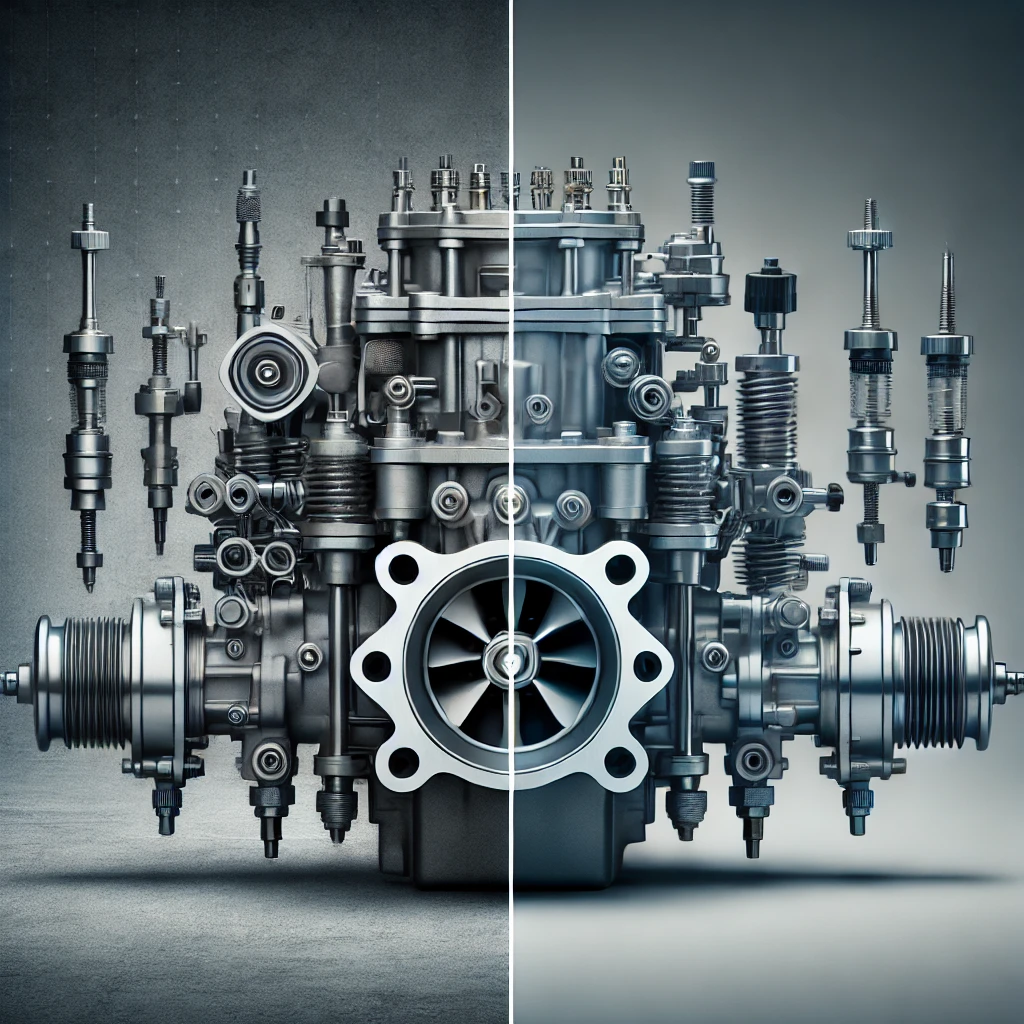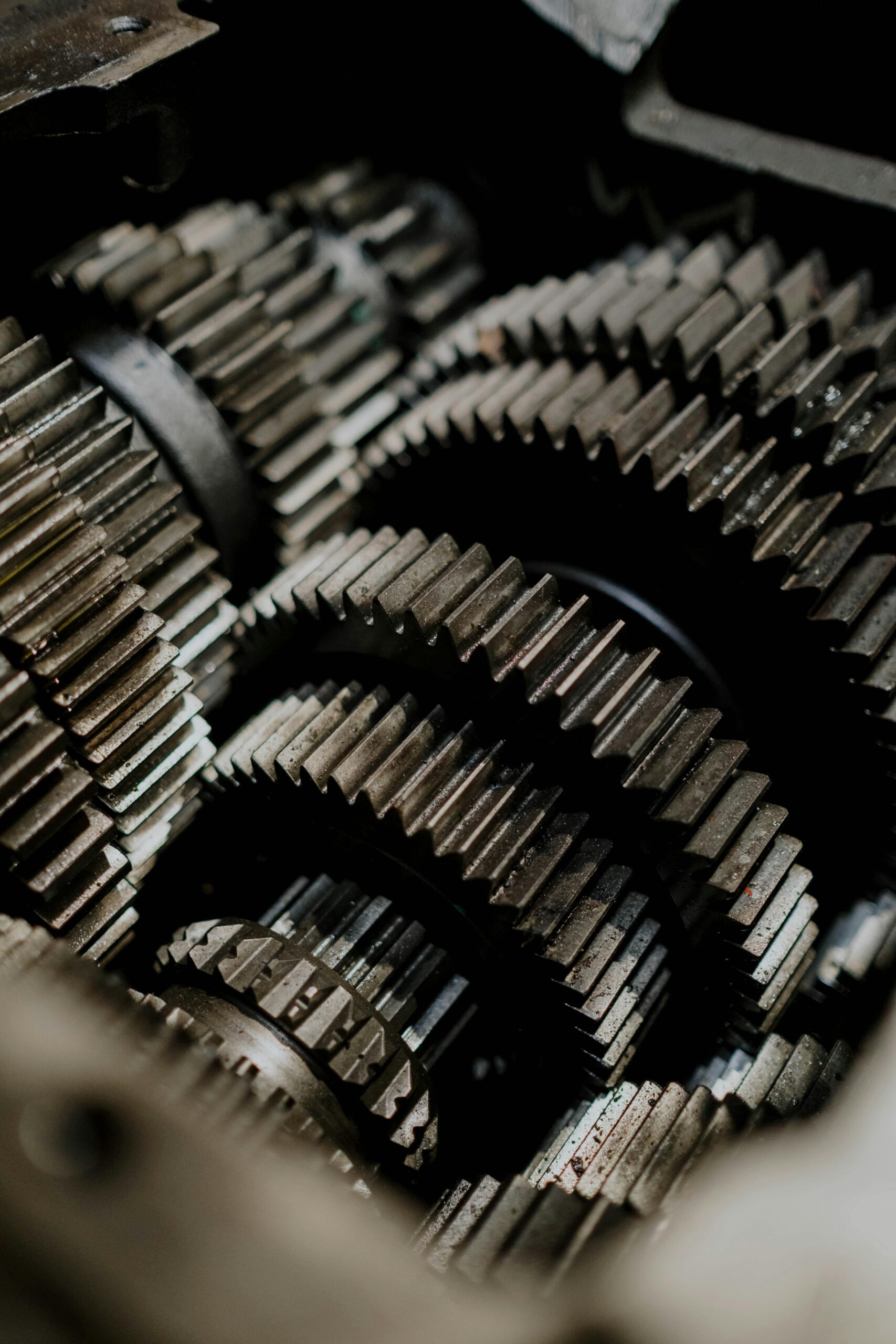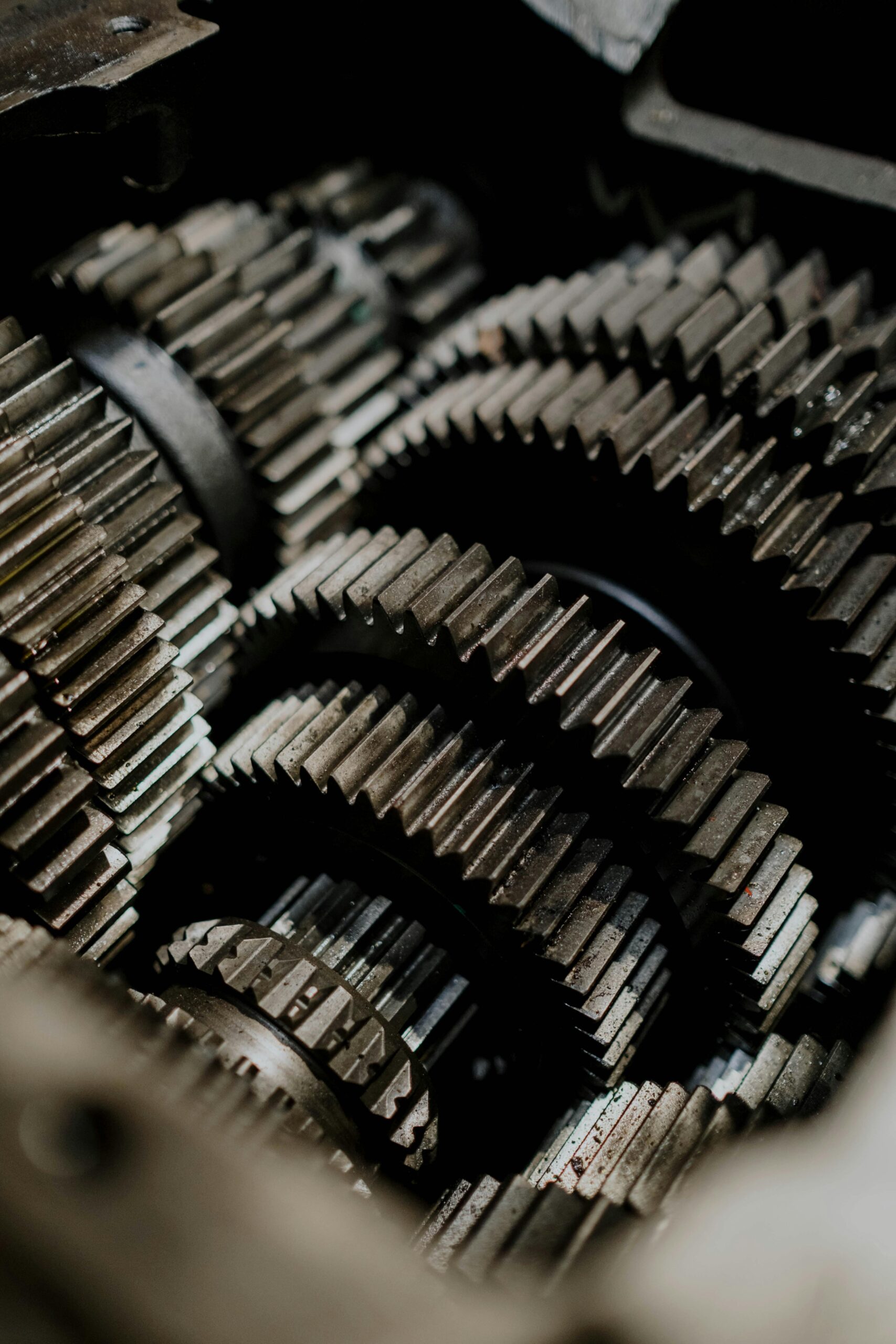
A Torque Converter Automatic Transmission is one of the most common types of automatic transmissions used in vehicles. Unlike manual or semi-automatic systems, this type uses a torque converter to transfer engine power to the transmission, eliminating the need for a clutch pedal. Known for its smooth operation, durability, and versatility, the torque converter automatic transmission has been a staple in the automotive industry for decades.
How Torque Converter Automatic Transmission Works
At the heart of this transmission is the torque converter, a hydraulic device that connects the engine to the transmission. It replaces the clutch found in manual systems and enables the engine to keep running while the vehicle is stationary.
Key Components:
- Torque Converter:
- Contains three main parts:
- Pump: Connected to the engine, spins and pushes transmission fluid.
- Turbine: Connected to the transmission, receives fluid from the pump and spins to transfer power.
- Stator: Improves fluid efficiency by redirecting its flow.
- Contains three main parts:
- Planetary Gear Set:
- Provides the various gear ratios for forward and reverse motion.
- Hydraulic System:
- Controls gear shifting and torque converter operation using pressurized fluid.
- Valve Body:
- The “brain” of the transmission, it manages fluid flow to execute gear changes based on speed, throttle input, and load.
Operation:
- When the engine runs, the pump in the torque converter pushes fluid to the turbine, causing it to spin and transfer power to the transmission.
- At low speeds or idle, the stator slows fluid movement, reducing power transfer and allowing the vehicle to remain stationary without stalling the engine.
- As speed increases, the torque converter locks up, creating a direct mechanical connection for better efficiency.
Advantages of Torque Converter Automatic Transmission
- Smooth Driving Experience:
- Provides seamless gear shifts and acceleration, making it ideal for city and highway driving.
- Durability:
- Torque converters are robust and can handle high levels of torque, suitable for heavy vehicles like trucks and SUVs.
- Ease of Use:
- Eliminates the need for a clutch pedal, making driving simpler, especially in stop-and-go traffic.
- Wide Application:
- Compatible with various vehicle types, from economy cars to luxury sedans and heavy-duty trucks.
- Hill Holding:
- Prevents roll-back on inclines, enhancing safety and convenience.
Disadvantages of Torque Converter Automatic Transmission
- Lower Fuel Efficiency:
- Older designs suffer from higher energy losses due to slippage in the torque converter, though modern lock-up torque converters address this issue.
- Complexity and Cost:
- More complicated than manual transmissions, leading to higher repair and maintenance costs.
- Heavier Weight:
- Adds weight to the vehicle, slightly affecting performance and fuel economy.
- Reduced Driver Engagement:
- Automatic operation can feel less engaging for enthusiasts compared to manual or semi-automatic systems.
Applications of Torque Converter Automatic Transmission
- Passenger Cars:
- Common in sedans, hatchbacks, and SUVs for their smooth operation.
- Luxury Vehicles:
- Favored in high-end brands like Lexus and Mercedes-Benz for their refined driving experience.
- Commercial and Heavy-Duty Vehicles:
- Used in trucks, buses, and construction equipment for their ability to handle high torque loads.
- Performance Cars:
- Modern torque converter automatics are optimized for quick gear shifts, appearing in cars like the Dodge Charger and Chevrolet Camaro.
Comparison: Torque Converter vs. Other Transmission Types
| Aspect | Torque Converter Automatic | Dual-Clutch Transmission (DCT) | Continuously Variable Transmission (CVT) | Manual Transmission (MT) |
|---|---|---|---|---|
| Smoothness | Very Smooth | Very Smooth | Seamless | Driver-dependent |
| Efficiency | Moderate to High | High | High | High |
| Durability | High | Moderate | Moderate | High |
| Performance | Good | Excellent | Moderate | Depends on Driver |
| Cost | Moderate | High | Moderate | Low |
Advantages in Modern Vehicles
Modern torque converter automatic transmissions have evolved significantly, offering improved performance and efficiency. Some innovations include:
- Lock-Up Torque Converters:
- Reduces slippage by locking the converter at higher speeds, improving fuel efficiency.
- Multi-Speed Gearboxes:
- 8-speed and 10-speed automatics provide better performance and economy by optimizing engine output.
- Advanced Electronics:
- Intelligent systems adapt to driving conditions, delivering smoother shifts and better response.
Future of Torque Converter Automatic Transmission
While electric and hybrid powertrains are gaining popularity, torque converter automatics remain relevant, especially for vehicles requiring high durability and smoothness. Potential developments include:
- Lightweight Materials:
- Reducing the transmission’s weight for better fuel economy.
- Enhanced Lock-Up Systems:
- Further minimizing slippage for greater efficiency.
- Integration with Electrification:
- Hybrid systems use torque converters for seamless transitions between electric and combustion power.
Conclusion
The torque converter automatic transmission is a time-tested solution that offers a smooth, reliable, and user-friendly driving experience. While newer technologies like dual-clutch and CVTs have gained traction, the torque converter’s versatility and durability ensure it remains a vital component in modern automotive engineering. Whether in a family sedan, luxury SUV, or heavy-duty truck, this transmission type continues to deliver dependable performance for a wide range of drivers.
https://www.pexels.com/photo/close-up-of-transmission-gears-7568427/