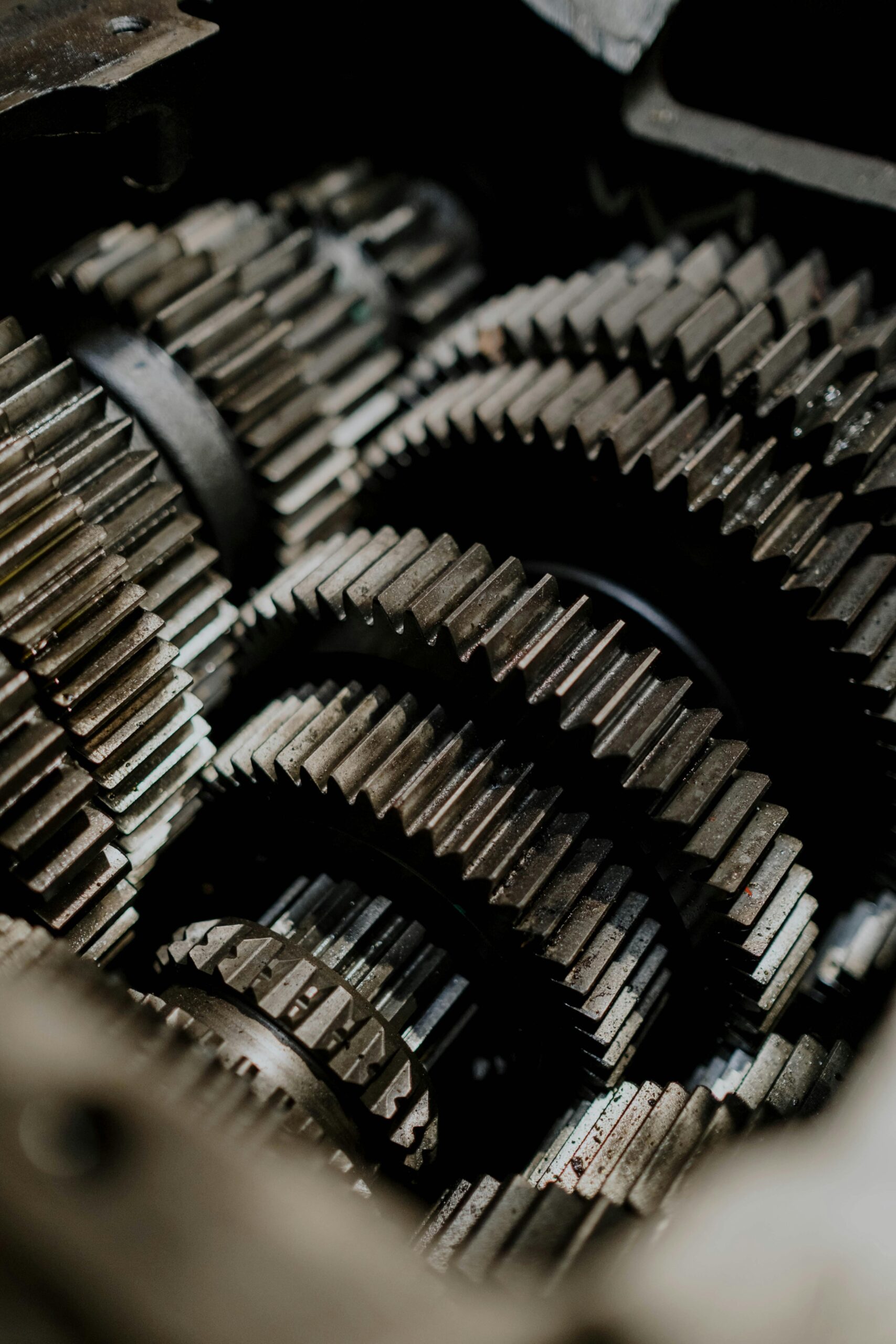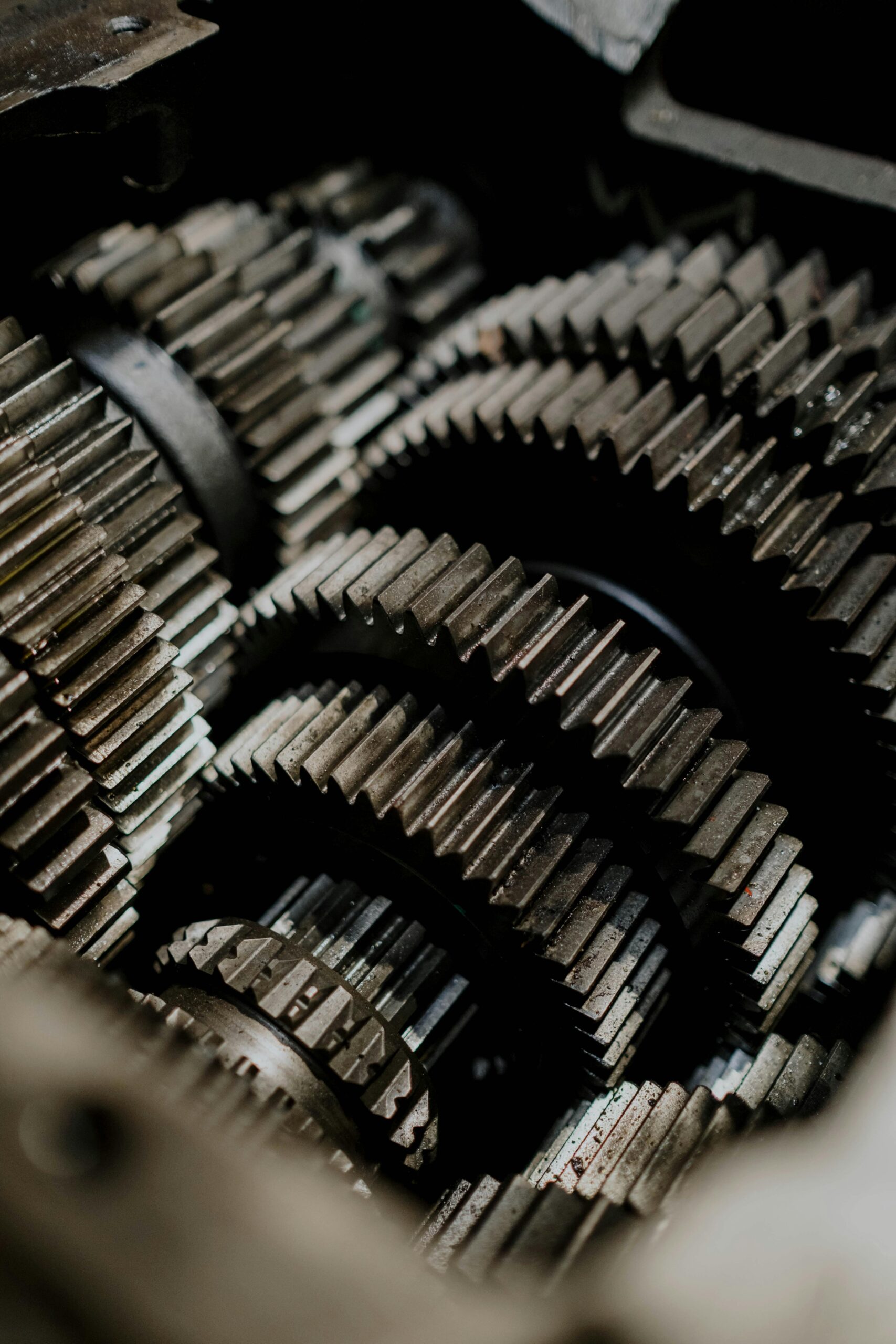
A Tiptronic transmission is a type of automatic transmission that allows manual gear shifting without the need for a clutch pedal. It is essentially an automatic gearbox with a manual override feature, giving drivers greater control over gear selection while retaining the convenience of automatic operation.
Developed by Porsche in collaboration with ZF Friedrichshafen, the Tiptronic system has become a popular feature in luxury and performance vehicles, offering a blend of ease and engagement.
How Tiptronic Transmission Works
A Tiptronic transmission operates as a traditional automatic transmission with an added manual mode. Drivers can switch between modes using a gear lever or paddle shifters.
Key Features:
- Gear Lever or Paddle Shifters:
- The gear lever can be moved to a special “manual” gate, allowing upshifts and downshifts.
- Paddle shifters on the steering wheel enable quick gear changes without moving hands from the wheel.
- Electronic Control Unit (ECU):
- The ECU prevents over-revving or stalling, making it safer and more user-friendly than a manual gearbox.
- Hydraulics and Clutch Packs:
- Operates similarly to a traditional automatic transmission, using hydraulics to change gears.
Operation:
- Automatic Mode: Functions like a regular automatic transmission, selecting gears based on speed, load, and throttle input.
- Manual Mode: The driver manually selects gears, overriding the automatic system. The ECU ensures smooth shifts and protects the engine.
History of Tiptronic Transmission
- 1990: Introduced by Porsche in the Porsche 964 (911), Tiptronic technology revolutionized the driving experience by offering manual control in an automatic system.
- 1990s: Luxury automakers like Audi, BMW, and Mercedes-Benz adopted similar systems in their vehicles.
- Modern Era: Tiptronic systems now feature in a wide range of vehicles, from sports cars to SUVs, often enhanced with advanced electronic controls.
Advantages of Tiptronic Transmission
- Ease of Use:
- Combines the simplicity of an automatic with the option for manual control.
- Driver Control:
- Enables manual gear selection for better performance and engagement.
- Versatility:
- Ideal for both relaxed cruising and spirited driving.
- Engine Protection:
- Prevents damaging gear changes, making it safer than traditional manual transmissions.
- Accessibility:
- Appeals to a broad range of drivers, including those uncomfortable with a clutch pedal.
Disadvantages of Tiptronic Transmission
- Limited Engagement:
- While more engaging than a standard automatic, it lacks the full control of a traditional manual transmission.
- Cost:
- More expensive to produce and repair than standard automatic systems.
- Complexity:
- Adds mechanical and electronic complexity, increasing maintenance requirements.
- Weight:
- Heavier than manual transmissions, potentially impacting performance and efficiency.
Applications of Tiptronic Transmission
- Sports Cars:
- Found in performance-oriented models like the Porsche 911 and Audi TT, where manual control enhances driving dynamics.
- Luxury Vehicles:
- Featured in brands like Mercedes-Benz and BMW for a balance of comfort and control.
- SUVs and Sedans:
- Offers a practical solution for drivers seeking manual-like control in family-oriented vehicles.
Tiptronic vs. Other Transmission Types
| Aspect | Tiptronic | Automatic (AT) | Manual (MT) | Dual-Clutch (DCT) |
|---|---|---|---|---|
| Ease of Use | High | Very High | Moderate | High |
| Driver Engagement | Moderate | Low | High | High |
| Shift Speed | Moderate | Slow | Driver-dependent | Very Fast |
| Cost | High | Moderate | Low | Very High |
| Fuel Efficiency | Moderate | Moderate | High | High |
Advantages of Tiptronic in Performance Vehicles
- Control: Manual mode lets drivers control upshifts and downshifts for better performance.
- Safety: Prevents harmful gear changes, ideal for inexperienced drivers.
- Convenience: Combines the responsiveness of manual control with the comfort of an automatic.
Future of Tiptronic Transmission
While Tiptronic technology remains relevant, it faces competition from advanced systems like Dual-Clutch Transmissions (DCT) and Continuously Variable Transmissions (CVT). However, it continues to evolve with features like:
- Enhanced Electronics: Improved software for faster, smoother shifts.
- Integration with Hybrid Systems: Combining manual control with electric powertrains.
- Lightweight Materials: Reducing weight for better efficiency and performance.
Conclusion
The Tiptronic transmission is a versatile system that bridges the gap between manual and automatic gearboxes. It offers the best of both worlds, making it a popular choice for drivers who want convenience without sacrificing control. Whether cruising in a luxury sedan or pushing the limits in a sports car, Tiptronic delivers a satisfying and adaptable driving experience.
https://www.pexels.com/photo/close-up-of-transmission-gears-7568427/