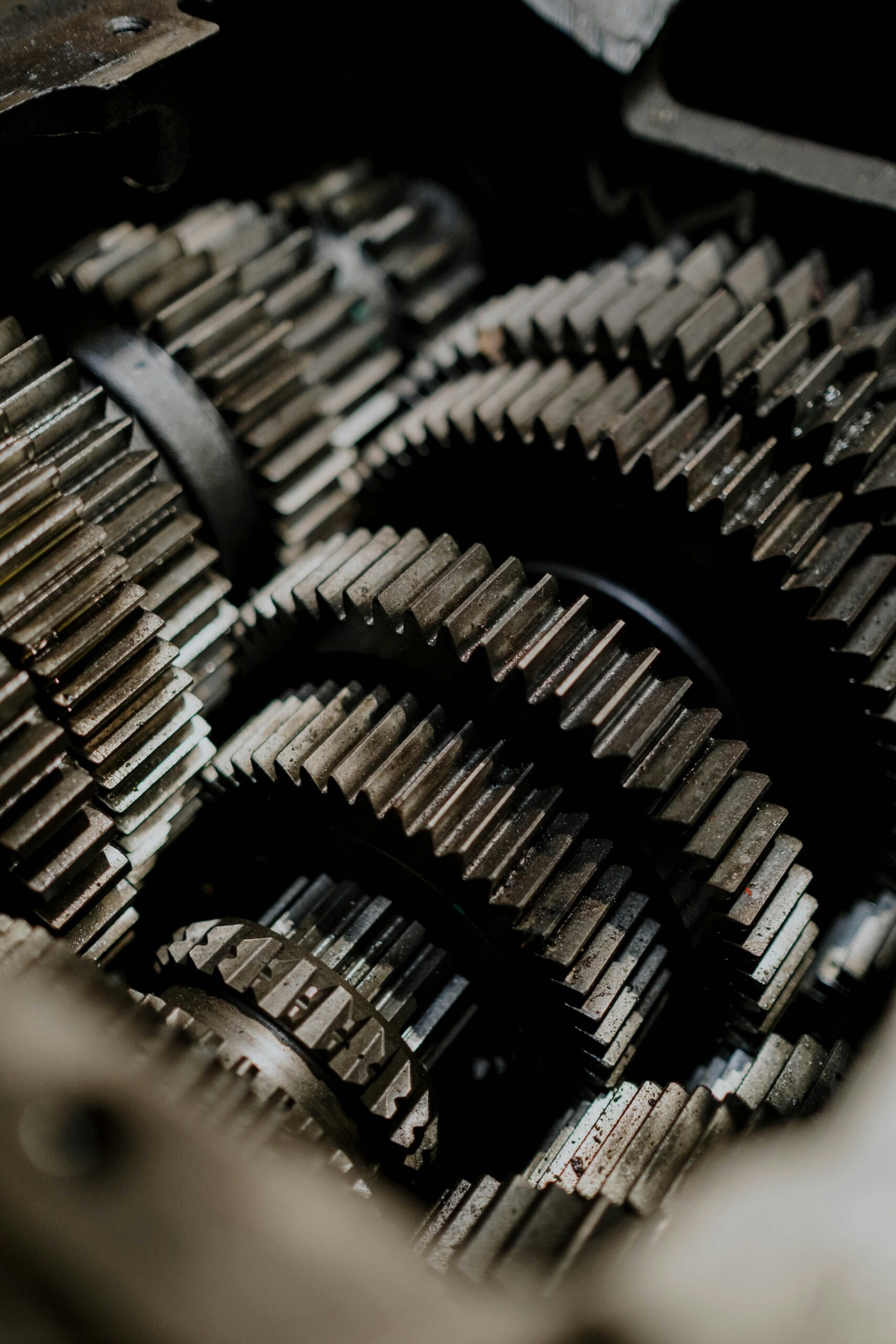
An Automated Manual Transmission (AMT) is a type of transmission that bridges the gap between manual and automatic systems. Essentially, it is a manual transmission equipped with an electronic or hydraulic system that automates clutch operation and gear shifting. AMTs are designed to combine the efficiency and cost-effectiveness of manual transmissions with the convenience of automatics.
How Automated Manual Transmission Works
An AMT uses the same basic mechanical structure as a manual transmission, including gears and a clutch, but it incorporates actuators, sensors, and an Electronic Control Unit (ECU) to manage clutch engagement and gear changes automatically.
Key Components:
- Electronic Control Unit (ECU):
- The brain of the system, which monitors inputs like speed, throttle position, and load to determine when to shift gears.
- Actuators:
- Operate the clutch and shift the gears based on signals from the ECU.
- Manual Gearbox:
- Retains the traditional manual transmission layout, allowing for mechanical simplicity and cost savings.
Operation:
- Automatic Mode:
- The ECU decides the optimal timing for gear shifts based on driving conditions, requiring no input from the driver.
- Manual Mode:
- The driver can manually select gears using a gear lever or paddle shifters without the need for a clutch pedal.
- Start-Stop System:
- Similar to a manual, the vehicle uses a clutch to start and stop, but this is managed automatically by the system.
History of Automated Manual Transmission
- 1940s-1950s: Early versions of automated manual transmissions were developed but lacked sophistication.
- 1990s: AMTs became more viable with advancements in electronics and were first used in performance and high-end vehicles.
- 2000s: Automakers began implementing AMTs in mass-market cars, especially in regions like Europe and Asia.
- Modern Era: AMTs are now popular in budget-friendly cars and heavy commercial vehicles due to their cost-effectiveness and fuel efficiency.
Advantages of Automated Manual Transmission
- Fuel Efficiency:
- Retains the mechanical efficiency of a manual transmission, often delivering better mileage than traditional automatics.
- Cost-Effectiveness:
- Cheaper to produce and maintain compared to fully automatic or dual-clutch transmissions.
- Ease of Use:
- Provides automatic functionality, reducing driver fatigue in traffic-heavy conditions.
- Compact and Lightweight:
- Smaller and lighter than other automatic systems, improving vehicle performance and efficiency.
- Dual Functionality:
- Allows for both automatic and manual modes, catering to a variety of driving preferences.
Disadvantages of Automated Manual Transmission
- Jerky Gear Shifts:
- Especially in earlier models, shifts can feel less smooth compared to traditional automatics or dual-clutch systems.
- Slower Response:
- Gear changes may take longer than high-performance systems like dual-clutch transmissions.
- Limited Appeal:
- Enthusiast drivers may find the lack of full manual control less engaging.
- Durability Concerns:
- In heavy use or aggressive driving, actuators and clutches may wear out faster.
Applications of Automated Manual Transmission
- Economy Cars:
- Frequently used in small and budget-friendly vehicles like the Maruti Suzuki Alto AMT and Renault Kwid AMT, especially in markets like India.
- Commercial Vehicles:
- AMTs are ideal for trucks and buses, reducing driver fatigue in urban and long-haul operations.
- Entry-Level Vehicles:
- Often featured in cars targeting first-time buyers for their affordability and ease of use.
- Emerging Markets:
- Popular in regions with stop-and-go traffic where convenience is highly valued.
Comparison: AMT vs. Other Transmission Types
| Aspect | Automated Manual Transmission (AMT) | Automatic Transmission (AT) | Dual-Clutch Transmission (DCT) | Manual Transmission (MT) |
|---|---|---|---|---|
| Ease of Use | High | Very High | High | Moderate |
| Driver Engagement | Moderate | Low | High | Very High |
| Cost | Low | Moderate | High | Very Low |
| Fuel Efficiency | High | Moderate | High | High |
| Shift Smoothness | Moderate | High | Very High | Driver-dependent |
Advantages of AMT in Budget Vehicles
- Cost Savings:
- Economical for both manufacturers and consumers, making it a favorite in entry-level cars.
- Improved Urban Usability:
- Simplifies driving in congested areas without compromising fuel economy.
- Low Maintenance:
- Mechanical simplicity ensures lower upkeep costs compared to complex automatics.
Future of Automated Manual Transmission
With the automotive industry’s shift toward hybrid and electric vehicles, AMTs are likely to evolve in the following ways:
- Integration with Hybrid Systems:
- Pairing AMTs with electric motors for smoother transitions and better efficiency.
- Improved Electronics:
- Advanced ECUs for faster, smoother gear shifts, reducing the jerky feel associated with AMTs.
- Lightweight Designs:
- Using advanced materials to reduce weight and enhance fuel efficiency.
- Expansion in Commercial Use:
- Continued adoption in heavy-duty vehicles to reduce driver workload and improve operational efficiency.
Conclusion
An Automated Manual Transmission is a cost-effective solution that offers the convenience of an automatic with the efficiency and simplicity of a manual. While it may lack the polish of high-end systems like dual-clutch transmissions, its affordability and fuel efficiency make it a popular choice for budget-conscious buyers and commercial applications. With ongoing advancements, AMTs are poised to remain a viable option in the automotive landscape.
https://www.pexels.com/photo/close-up-of-transmission-gears-7568427/