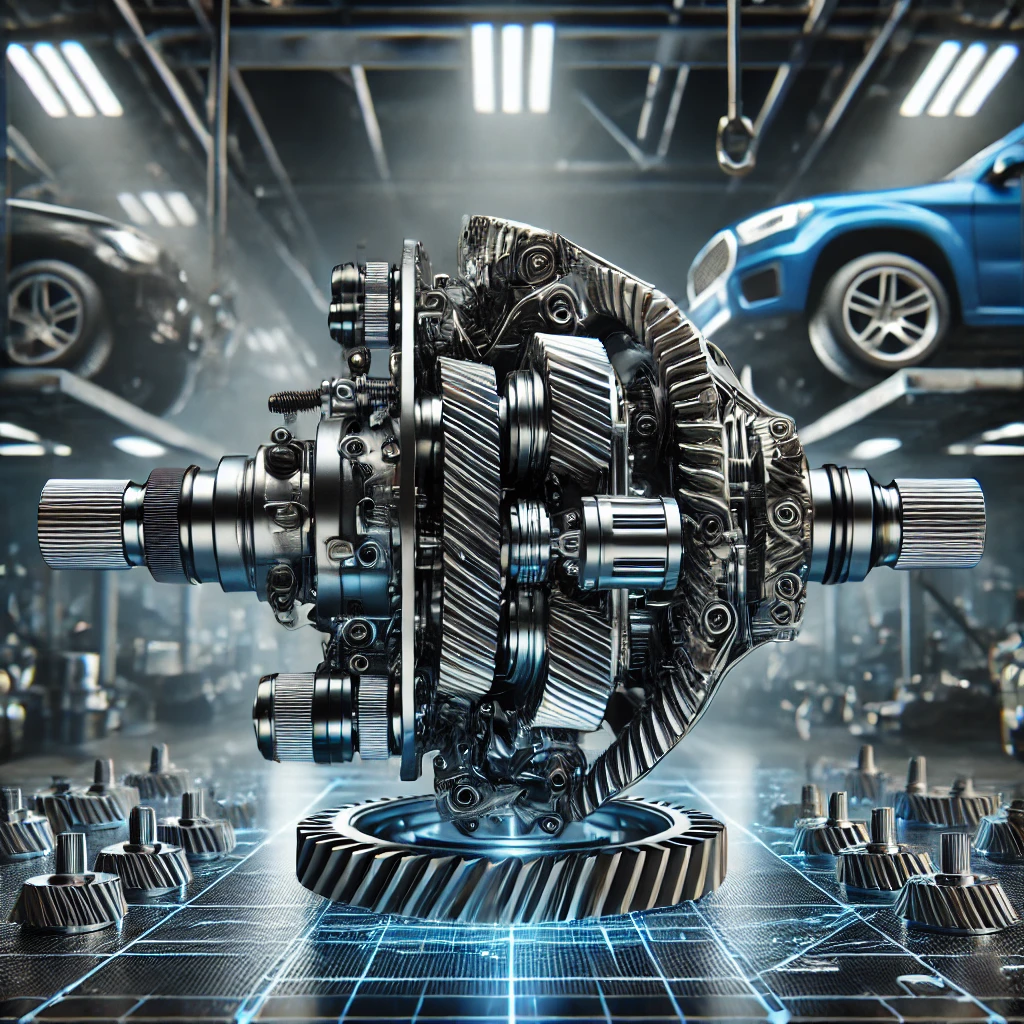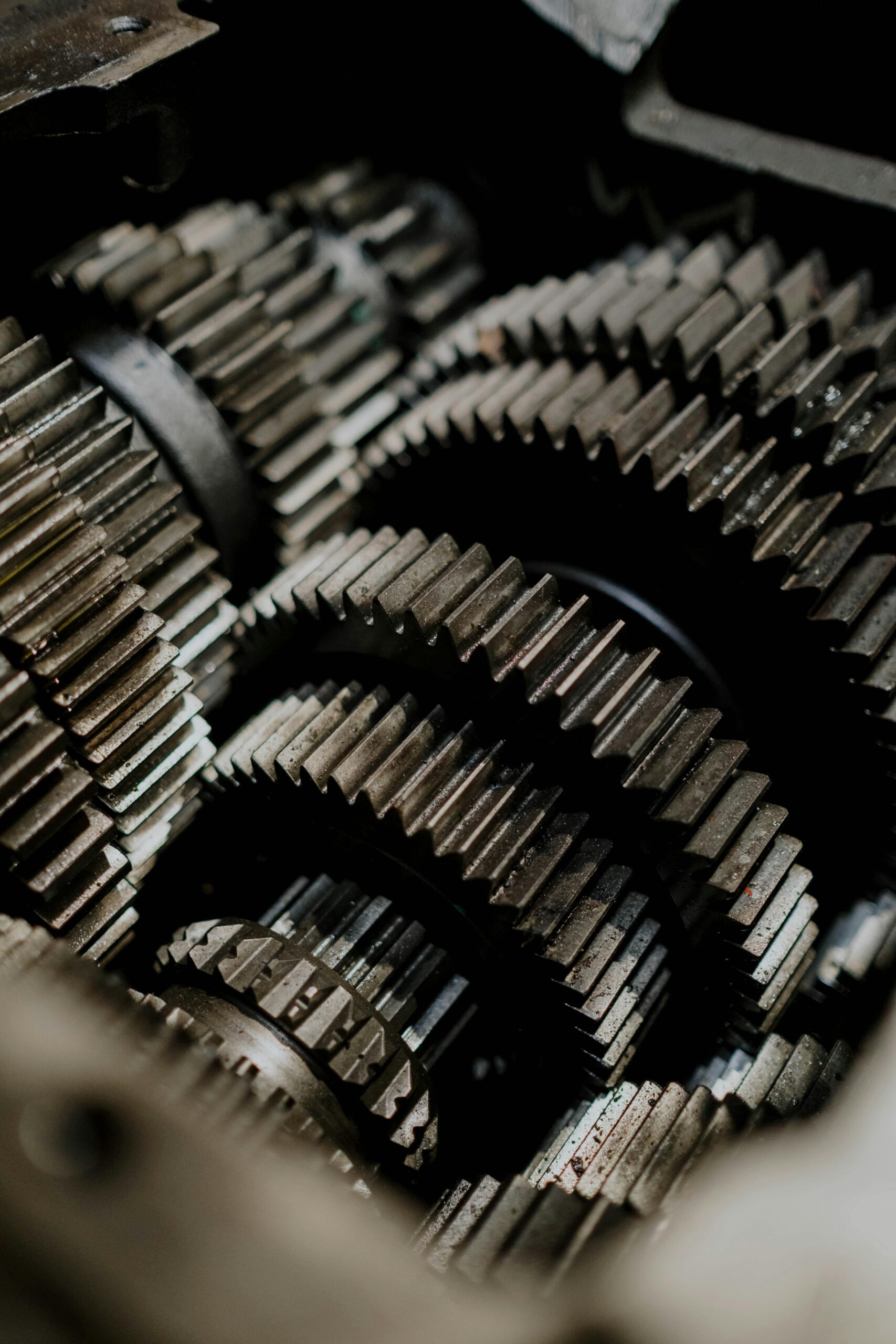
A sequential gearbox is a high-performance transmission system widely used in motorsports, high-performance motorcycles, and select road cars. Unlike traditional manual or automatic transmissions, a sequential gearbox allows the driver to change gears in a fixed order—up or down—without skipping gears. This system is designed for speed, precision, and efficiency, making it ideal for competitive environments.
How a Sequential Gearbox Works
The sequential gearbox operates differently from traditional H-pattern manual gearboxes. It uses a linear gear selector mechanism, allowing the driver to shift gears sequentially (1-2-3-4-5-6, or in reverse order) rather than choosing any gear directly.
Key Components:
- Gear Selector Drum:
- A cylindrical component with grooves that guide gear selector forks.
- Rotates to select the desired gear in a linear sequence.
- Selector Forks:
- Move the gears into position based on the selector drum’s movement.
- Dog Gears:
- Engage and disengage gear pairs, allowing for rapid and smooth shifts.
- Shift Lever or Paddle Shifters:
- The driver uses either a lever or paddles to signal gear changes.
Operation:
- Up-shifting:
- The driver pulls a paddle or pushes the lever forward; the selector drum rotates, engaging the next higher gear.
- Down-shifting:
- The driver pushes the paddle or lever backward; the selector drum rotates in the opposite direction to engage the next lower gear.
- No Clutch Input Required (in racing versions):
- Many sequential systems use electronic or pneumatic actuators for clutchless shifting, reducing time and effort.
Advantages of Sequential Gearbox
- Rapid Gear Changes:
- Significantly faster shifts compared to traditional manual transmissions, enhancing performance.
- Precision and Control:
- Fixed gear sequence eliminates the risk of selecting the wrong gear, crucial for high-speed driving.
- Compact Design:
- Typically smaller and lighter than automatic or manual transmissions.
- Durability:
- Designed to handle high torque and stress, making it ideal for racing applications.
- Driver Focus:
- Simplifies gear selection, allowing the driver to concentrate on driving dynamics.
Disadvantages of Sequential Gearbox
- Not Practical for Daily Driving:
- Gear shifts can be abrupt, and the lack of a neutral gear selection (without going through the sequence) can be inconvenient.
- High Cost:
- Advanced materials and precision engineering make these gearboxes expensive.
- Maintenance Intensive:
- Requires frequent maintenance due to high-performance usage and wear on components.
- No Skipping Gears:
- Sequential operation limits flexibility compared to traditional manual gearboxes.
Applications of Sequential Gearboxes
- Motorsports:
- Standard in Formula 1, MotoGP, rally cars, and other racing disciplines.
- Motorcycles:
- Found in sport and racing bikes, where rapid and precise shifts are essential.
- High-Performance Road Cars:
- Featured in select vehicles like the Pagani Huayra and Ariel Atom, providing a racing-like experience.
- Off-Road and Rally Cars:
- Popular in rally and off-road vehicles for their robustness and speed.
Sequential Gearbox vs. Other Transmission Types
| Aspect | Sequential Gearbox | Manual Transmission (MT) | Dual-Clutch Transmission (DCT) | Automatic Transmission (AT) |
|---|---|---|---|---|
| Shift Speed | Extremely Fast | Moderate | Very Fast | Moderate |
| Driver Control | High | Very High | Moderate | Low |
| Complexity | High | Low | High | Moderate |
| Ease of Use | Moderate | Low | High | Very High |
| Applications | Racing, Performance Cars | Everyday Cars, Enthusiast Vehicles | Sports and Luxury Cars | Everyday Cars |
Comparison with Dual-Clutch Transmission (DCT)
- Shift Speed: Both are exceptionally quick, but DCTs excel in smoother operation.
- Complexity: Sequential gearboxes are simpler mechanically but more demanding to operate.
- Practicality: DCTs are better for road use, while sequential gearboxes dominate on the track.
Modern Innovations in Sequential Gearboxes
- Paddle-Shift Systems:
- Integrating electronic actuators for clutchless and ultra-fast shifting.
- Hybrid Integration:
- Advanced sequential systems are being adapted for hybrid and electric race cars.
- Lightweight Materials:
- Use of carbon fiber and other composites to reduce weight and enhance performance.
- Advanced Cooling Systems:
- Improved thermal management for high-stress racing conditions.
Future of Sequential Gearboxes
While electric powertrains are gaining popularity, sequential gearboxes remain relevant in motorsports and performance vehicles due to their speed and reliability. Potential developments include:
- Enhanced Durability:
- Materials that further reduce wear and improve longevity.
- Automation for Road Cars:
- Making sequential systems more user-friendly for high-performance street vehicles.
- Integration with Autonomous Systems:
- Combining the benefits of sequential gearboxes with advanced driving aids.
Conclusion
The sequential gearbox is a purpose-built transmission system designed for maximum performance, speed, and control. While its primary domain remains motorsports, its adoption in high-performance road cars showcases its appeal to enthusiasts seeking a racing-like driving experience. With ongoing innovations, sequential gearboxes will continue to play a pivotal role in high-performance automotive engineering.
https://www.pexels.com/photo/close-up-of-transmission-gears-7568427/