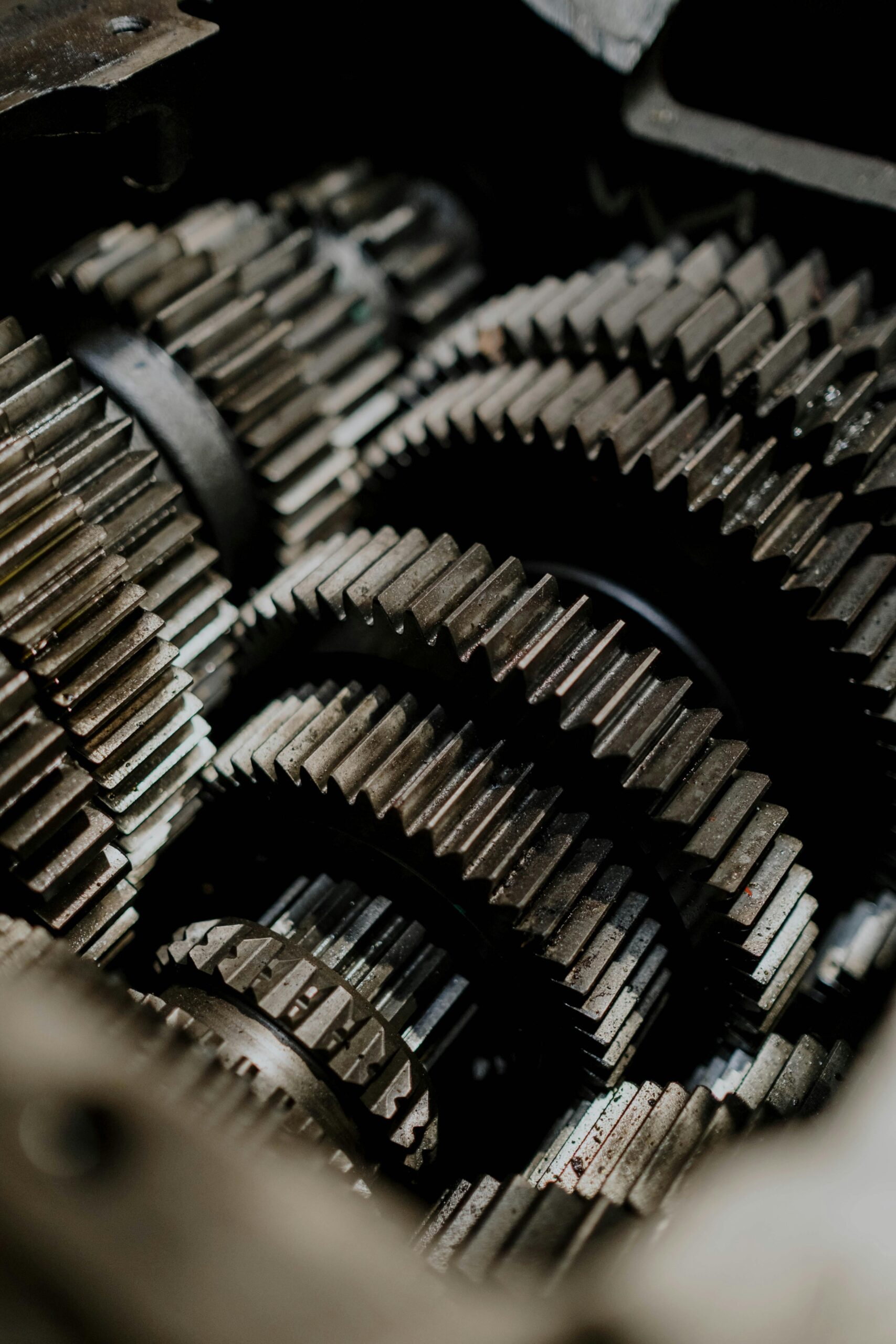
A Dual-Clutch Transmission (DCT) is a type of automated transmission that combines the efficiency and control of a manual gearbox with the convenience of an automatic. By using two separate clutches to handle odd and even gears, DCTs enable lightning-fast gear shifts with minimal power interruption, making them a popular choice for performance vehicles and luxury cars.
History of Dual-Clutch Transmission
- 1930s: Early concepts of dual-clutch systems were developed but were not widely implemented due to technological limitations.
- 1980s: Porsche pioneered the modern DCT with its Porsche Doppelkupplungsgetriebe (PDK) system for racing cars.
- 2003: Volkswagen Group introduced the first mass-produced DCT, the Direct-Shift Gearbox (DSG), in the VW Golf R32.
- Present: DCTs are widely used across brands, including Audi, BMW, Hyundai, and Ferrari, especially in performance-oriented vehicles.
How Dual-Clutch Transmission Works
A DCT operates using two separate clutches, each connected to its own set of gears:
- Odd Clutch: Engages odd-numbered gears (1, 3, 5, etc.).
- Even Clutch: Engages even-numbered gears (2, 4, 6, etc.).
When one clutch is engaged, the other is pre-selecting the next gear, allowing nearly instant shifts.
Key Components:
- Dual Clutches: Typically wet (cooled with oil) or dry (lightweight but less durable).
- Gearbox: Similar to a manual transmission but electronically controlled.
- Electronic Control Unit (ECU): Manages gear shifts, ensuring optimal performance and timing.
Operation:
- The system alternates between the two clutches as gears are shifted, maintaining a continuous flow of power to the wheels.
Advantages of DCT
- Faster Gear Shifts:
- Near-instantaneous shifting enhances performance and responsiveness.
- Fuel Efficiency:
- More efficient than traditional automatic transmissions due to precise gear control.
- Smooth Power Delivery:
- Minimal power interruption ensures a seamless driving experience.
- Driver Engagement:
- Offers a manual mode for drivers seeking more control.
- Performance-Oriented:
- Ideal for sports cars and high-performance vehicles, where speed and precision are critical.
Disadvantages of DCT
- Complexity and Cost:
- High production and repair costs due to advanced technology.
- Low-Speed Behavior:
- May feel jerky or unrefined in stop-and-go traffic, especially with dry clutches.
- Maintenance:
- Requires specialized servicing, and wet clutches may need periodic fluid changes.
- Durability:
- Can struggle under heavy loads or in high-torque applications compared to traditional automatics.
Comparison: DCT vs. Other Transmissions
| Aspect | DCT | Automatic Transmission (AT) | Manual Transmission (MT) | CVT |
|---|---|---|---|---|
| Shifting Speed | Fastest | Moderate | Manual | Seamless but slower |
| Efficiency | High | Moderate | High in skilled hands | High |
| Smoothness | Smooth at high speeds, jerky at low | Smooth | Depends on driver | Seamless |
| Cost | High | Moderate | Low | Moderate |
| Performance | Excellent | Balanced | Requires driver skill | Moderate |
Applications of DCT
- Sports Cars:
- Widely used in high-performance vehicles like the Porsche 911, Ferrari SF90, and Lamborghini Huracán for rapid gear shifts.
- Luxury Vehicles:
- Found in premium cars from brands like BMW and Audi for a refined yet sporty driving experience.
- Mainstream Cars:
- Many affordable models, such as the Hyundai Elantra N and Ford Focus, offer DCTs for improved performance.
- Motorcycles:
- Used in select models from Honda and Ducati for enhanced performance and convenience.
Types of Dual-Clutch Transmission
- Wet Clutch DCT:
- Uses oil to cool the clutches, ideal for high-performance and high-torque applications.
- More durable but requires more maintenance.
- Dry Clutch DCT:
- Lightweight and efficient, used in smaller or lower-powered vehicles.
- Less durable under heavy loads.
Advantages of DCT in Performance Vehicles
- Enhanced Acceleration: Eliminates the lag associated with gear shifts, critical in racing and sports cars.
- Driver Control: Manual mode allows enthusiasts to take charge of gear changes.
- Adaptability: Can be tuned for comfort in city driving or aggressiveness on the track.
Future of DCT
While the automotive industry transitions to electrification, DCTs remain relevant in hybrid vehicles and performance-focused designs. Future advancements may include:
- Improved Refinement: Enhanced software and hardware to address low-speed jerkiness.
- Integration with Hybrid Systems: Combining electric and combustion power seamlessly.
- Lightweight Materials: Reducing weight for better efficiency and performance.
Conclusion
Dual-Clutch Transmissions represent the pinnacle of modern gearbox design, blending speed, efficiency, and driver engagement. Their application in sports and luxury cars highlights their ability to deliver unmatched performance, making them a key component in the evolution of automotive engineering. Whether you’re seeking thrilling acceleration or seamless power delivery, DCTs offer a driving experience that bridges the gap between traditional manuals and modern automatics.
https://www.pexels.com/photo/close-up-of-transmission-gears-7568427/