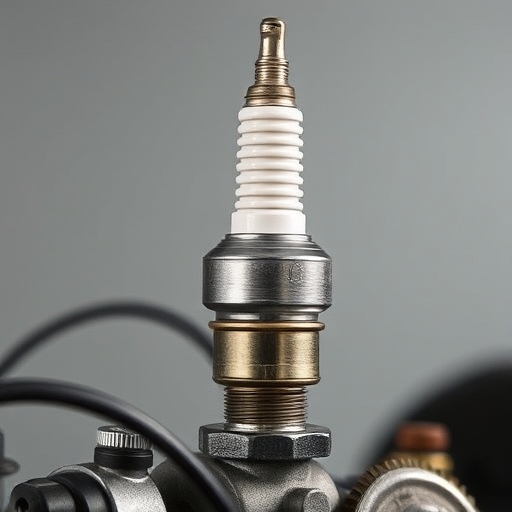
The spark plug is a small but vital component in a gasoline engine. Its primary role is to ignite the air-fuel mixture within the combustion chamber, creating the spark that powers the engine. Without a properly functioning spark plug, the engine would fail to start or run efficiently, as the ignition process would not occur.
In this article, we’ll explore the essential role of spark plugs, how they work, their design and maintenance, and their significance in engine performance.
What Is a Spark Plug?
A spark plug is a device that fits into the cylinder head of an internal combustion engine. It is responsible for creating a spark that ignites the compressed air-fuel mixture inside the combustion chamber. This ignition process is what powers the engine by producing the controlled explosion needed to drive the pistons.
The spark plug consists of several key components:
- Terminal: The part of the spark plug that connects to the ignition system.
- Insulator: A ceramic component that insulates the electrode from the heat and electrical energy generated during operation.
- Center Electrode: A metal conductor that receives the electrical charge from the ignition system.
- Ground Electrode: A metal component that creates a gap where the spark is generated between it and the center electrode.
- Shell: The outer casing that provides protection and threads into the cylinder head.
The spark plug operates by receiving a high-voltage current from the ignition coil, which causes the spark plug to generate a spark between its electrodes. This spark ignites the air-fuel mixture, initiating the combustion process.
How Does a Spark Plug Work?
The operation of the spark plug is a crucial part of the engine’s ignition system, which is responsible for initiating the combustion cycle. Here’s a step-by-step breakdown of how the spark plug works within the engine:
1. Ignition Coil Sends Voltage to the Spark Plug
- The ignition coil is responsible for stepping up the voltage from the vehicle’s battery to a high voltage (typically 12,000 to 45,000 volts). The ignition coil sends this voltage to the spark plug via the ignition wires.
2. Voltage Causes a Spark
- When the voltage reaches the spark plug, it travels through the center electrode and across the gap to the ground electrode. This sudden flow of electricity generates a spark, creating an intense, brief burst of heat and light.
3. Ignition of the Air-Fuel Mixture
- The spark generated by the spark plug ignites the compressed air-fuel mixture inside the combustion chamber. This results in a controlled explosion (combustion) that forces the piston down, powering the engine.
4. Cycle Repeats
- This ignition process occurs repeatedly in quick succession, with each spark igniting a new charge of air-fuel mixture as the piston moves up and down. The spark plug’s job is to continuously create the spark that powers each combustion cycle, keeping the engine running.
The Role of the Spark Plug in Engine Performance
The spark plug’s function directly impacts several aspects of engine performance, including fuel efficiency, power output, emissions, and overall reliability. Here’s how a spark plug affects engine operation:
1. Fuel Efficiency
- A properly functioning spark plug ensures efficient ignition of the air-fuel mixture, which allows for optimal combustion. When combustion is efficient, less fuel is wasted, and the engine runs more efficiently, leading to better fuel economy.
2. Power Output
- The spark plug also plays a role in the power produced by the engine. If the spark plug is worn or malfunctioning, it can result in incomplete combustion, causing a loss of power. A healthy spark plug ensures that each combustion cycle is fully optimized, providing the engine with maximum power output.
3. Emissions Control
- Efficient ignition by the spark plug reduces the amount of unburned fuel that escapes into the exhaust system. This helps keep emissions low and ensures that the vehicle complies with environmental standards.
4. Engine Smoothness and Reliability
- If the spark plug is not functioning properly, it can cause engine misfires, rough idling, or inconsistent acceleration. This can result in an unpleasant driving experience, increased wear on other engine components, and even engine damage over time. A well-maintained spark plug ensures that the engine runs smoothly and reliably.
Spark Plug Design and Materials
Spark plugs must withstand extreme conditions, including high temperatures, intense pressure, and constant exposure to combustion gases. Therefore, they are made from materials that are highly durable and resistant to wear. Common materials used in spark plugs include:
- Copper: Traditional spark plugs often feature a copper core, which provides good conductivity. However, copper plugs tend to wear out faster than other materials.
- Platinum: Platinum spark plugs offer a longer lifespan and better performance under high temperatures. They are often used in modern engines for their durability and efficiency.
- Iridium: Iridium spark plugs are even more durable and provide excellent performance. They can handle higher temperatures and last much longer than platinum or copper plugs, making them a popular choice for high-performance or luxury vehicles.
The electrode gap is another important factor in spark plug design. The gap between the center electrode and the ground electrode must be set to the manufacturer’s specifications to ensure optimal spark generation. The gap can wear over time and may need to be adjusted or replaced to maintain optimal engine performance.
Common Spark Plug Types
Depending on the engine’s needs, various types of spark plugs may be used:
- Standard Spark Plugs: These are traditional spark plugs often used in older engines or vehicles with simpler ignition systems. They are typically made of copper and are cost-effective but may have a shorter lifespan.
- Iridium Spark Plugs: These are often used in high-performance vehicles or newer engines. Iridium plugs are known for their excellent durability, longer lifespan, and improved fuel efficiency.
- Platinum Spark Plugs: Platinum plugs are used in many modern vehicles for their better performance and longer service life compared to standard copper plugs. They offer a good balance between performance and cost.
- Double Platinum and Iridium Plugs: Some vehicles require double platinum or iridium spark plugs, which feature platinum or iridium at both the center and ground electrodes for maximum durability and performance.
- Cold and Hot Spark Plugs: Spark plugs come in different “heat ranges,” which refer to their ability to dissipate heat. Cold plugs are designed for high-performance engines that generate a lot of heat, while hot plugs are better for engines that run at lower temperatures.
Spark Plug Maintenance and Replacement
Over time, spark plugs can wear out due to exposure to high heat, pressure, and chemicals in the combustion chamber. Worn spark plugs can lead to poor engine performance, misfires, rough idling, and higher fuel consumption. Regular maintenance and replacement of spark plugs are essential for optimal engine performance.
1. Signs of Worn Spark Plugs
- Engine misfires or rough idling
- Decreased fuel efficiency
- Difficulty starting the engine
- Poor acceleration or hesitation
- Engine knocking or pinging sounds
2. How Often Should Spark Plugs Be Replaced?
- Spark plugs generally last between 30,000 and 100,000 miles, depending on the type of spark plug used and the engine’s specifications. Iridium plugs, for example, can last longer than copper plugs.
- Refer to the vehicle’s owner manual for manufacturer recommendations on spark plug replacement intervals.
3. Spark Plug Inspection
- During routine maintenance, it’s a good idea to inspect the spark plugs for signs of wear, corrosion, or buildup of carbon deposits. These issues can affect the spark plug’s ability to generate a proper spark and should be addressed immediately.
4. Gap Adjustment
- Over time, the gap between the center and ground electrodes may widen, causing a weaker spark. A mechanic may adjust the spark plug gap to ensure proper spark generation. However, this is typically only necessary for older plugs, as modern plugs are often pre-gapped.
Conclusion
The spark plug is a small but essential part of any gasoline engine. It ignites the air-fuel mixture in the combustion chamber by creating a spark, starting the combustion process that powers the engine. Spark plugs have a direct impact on engine performance, fuel efficiency, emissions, and reliability.
Properly maintained spark plugs ensure that the engine runs smoothly and efficiently, while worn or faulty plugs can lead to a range of performance issues. Regular inspection, maintenance, and timely replacement of spark plugs are key to keeping your engine in optimal condition and ensuring long-lasting performance. Whether you’re driving a daily commuter or a high-performance vehicle, the spark plug is a vital link between the engine and the road.


