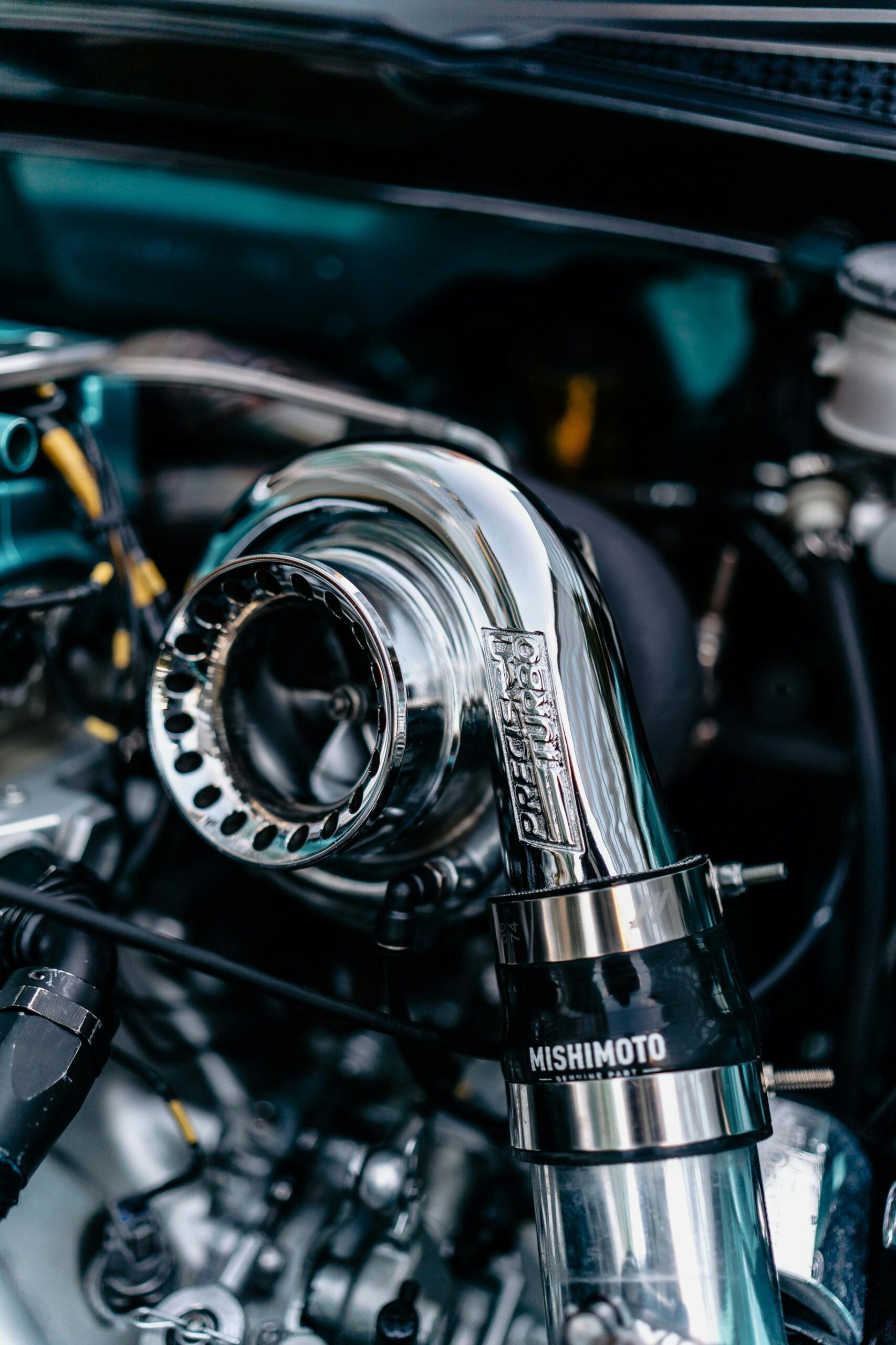
A Semi-Automatic Transmission (SAT) is a hybrid transmission system that combines elements of both manual and automatic gearboxes. It allows the driver to manually select gears without the need for a clutch pedal, as the clutch operation is automated. SAT provides the control and engagement of a manual transmission with the convenience of an automatic, making it popular in sports cars, motorcycles, and some commercial vehicles.
History of Semi-Automatic Transmission
- 1930s: Early versions of clutchless manual systems were developed, but they were rudimentary.
- 1940s-1950s: Automakers like Chrysler introduced “semi-automatic” systems like the “Fluid Drive,” which simplified gear changes.
- 1980s-1990s: With advances in electronics and hydraulics, SATs became more refined, appearing in high-performance vehicles.
- Modern Era: Semi-automatics are now integrated with advanced technology like paddle shifters and electronic controls for smoother operation.
How Semi-Automatic Transmission Works
A semi-automatic transmission uses an electronically controlled clutch and shifting mechanism to automate clutch engagement and gear changes.
- Key Components:
- Clutch Actuator: Operates the clutch automatically using hydraulics or electronics.
- Electronic Control Unit (ECU): Manages gear shifts based on input from the driver and sensors.
- Manual Selector: Allows the driver to choose gears via a gear lever, paddle shifters, or buttons.
- Operation:
- The driver initiates gear changes manually, but the clutch operation and gear engagement are handled automatically.
- In some systems, the transmission can operate in fully automatic mode if desired.
Advantages of Semi-Automatic Transmission
- Enhanced Control:
- Provides the driver with manual gear selection without the complexity of a clutch pedal.
- Convenience:
- Eliminates the need for clutch operation, reducing fatigue in stop-and-go traffic.
- Improved Performance:
- Faster and more precise gear changes compared to traditional manuals, especially in performance vehicles.
- Versatility:
- Can switch between manual and automatic modes for different driving conditions.
- Fuel Efficiency:
- Often more efficient than traditional automatic transmissions due to better control over engine power.
Disadvantages of Semi-Automatic Transmission
- Complexity and Cost:
- More expensive to produce and repair than traditional manual transmissions.
- Learning Curve:
- May require some adaptation for drivers unfamiliar with semi-automatic systems.
- Jerky Shifts:
- Some systems, especially older models, can feel less smooth during gear changes.
- Durability:
- High-performance applications may strain components over time.
Applications of Semi-Automatic Transmission
- Sports Cars:
- Common in vehicles like the Ferrari 458 Italia and Lamborghini Gallardo, where precise control and quick shifts are essential.
- Motorcycles:
- Found in touring and performance motorcycles for better control and rider convenience.
- Commercial Vehicles:
- Used in trucks and buses to reduce driver fatigue while maintaining control over gear selection.
- Affordable Vehicles:
- Some economy cars feature semi-automatic systems as a cost-effective alternative to fully automatic gearboxes.
Types of Semi-Automatic Transmission
- Automated Manual Transmission (AMT):
- Essentially a manual transmission with automated clutch and gear-shifting systems.
- Found in economy cars and commercial vehicles.
- Hydraulic Semi-Automatic Transmission:
- Uses hydraulic systems for clutch actuation, common in older models.
- Electro-Mechanical Semi-Automatic Transmission:
- Combines electronics and mechanical components for precise control, used in modern high-performance cars.
Comparison: Semi-Automatic vs. Other Transmissions
| Aspect | Semi-Automatic Transmission (SAT) | Automatic Transmission (AT) | Manual Transmission (MT) | Dual-Clutch Transmission (DCT) |
|---|---|---|---|---|
| Ease of Use | Moderate | Easy | Requires skill | Easy |
| Driver Engagement | High | Moderate | Very High | High |
| Shift Speed | Moderate | Moderate | Driver-dependent | Fast |
| Fuel Efficiency | Moderate to High | Moderate | High | High |
| Cost | Moderate | Moderate | Low | High |
Advantages of SAT in Performance Vehicles
- Rapid Gear Changes: Essential for competitive driving.
- Enhanced Driver Control: Allows for precise power management.
- Customizable Modes: Many SATs offer modes tailored for track, sport, or comfort driving.
Future of Semi-Automatic Transmission
As the automotive industry shifts toward electrification, SAT technology is evolving:
- Integration with Electric Powertrains: Providing manual-like control in hybrid systems.
- Improved Software: Enhancing smoothness and responsiveness during gear shifts.
- Lightweight Designs: Using advanced materials to reduce weight and improve efficiency.
While SAT may face competition from fully automatic and dual-clutch systems, its unique blend of manual control and automatic convenience ensures it remains relevant in specific niches.
Conclusion
The Semi-Automatic Transmission offers the best of both worlds, combining the control of a manual with the ease of an automatic. Its versatility makes it appealing for a wide range of applications, from high-performance sports cars to everyday commuting vehicles. As technology continues to advance, SATs are poised to remain a valuable option for drivers seeking a dynamic yet user-friendly driving experience.
https://www.pexels.com/photo/close-up-of-transmission-gears-7568427/