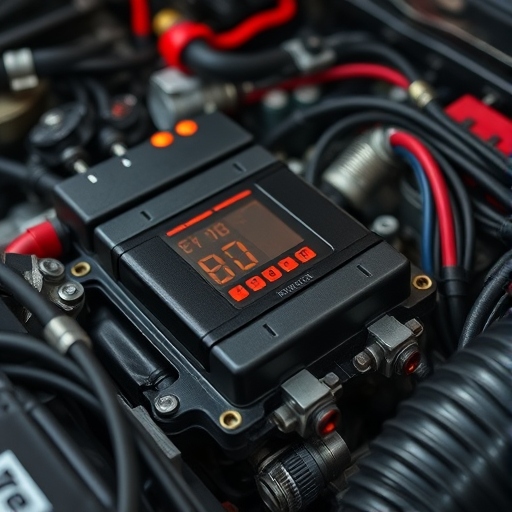
The Engine Control Unit (ECU) is the central nervous system of modern automotive engines, responsible for managing various engine functions to ensure optimal performance, efficiency, and emissions control. Whether you’re driving a stock vehicle or a high-performance machine, the ECU plays a critical role in how your engine operates.
This article dives into what the ECU does, its role in stock vehicles versus performance-tuned ECUs, and why upgrading your ECU can unlock significant power potential in your vehicle.
What is an ECU?
The Engine Control Unit (ECU) is an electronic control system that monitors and manages the operation of an internal combustion engine. It uses a combination of sensors, actuators, and programming to optimize the engine’s performance based on real-time data.
Key Functions of an ECU
- Fuel Injection Control:
- Determines the exact amount of fuel to inject into the cylinders based on throttle position, air intake, and engine load.
- Ignition Timing:
- Adjusts the timing of the spark plug firing to ensure efficient combustion and prevent engine knocking.
- Air-Fuel Ratio:
- Maintains the ideal air-to-fuel mixture (usually 14.7:1 for gasoline engines) for efficiency and emissions compliance.
- Idle Speed Regulation:
- Controls engine idle speed using sensors and actuators.
- Turbocharger Management:
- Regulates boost pressure in turbocharged engines for consistent performance.
- Emission Control:
- Monitors and adjusts parameters to minimize emissions and comply with environmental regulations.
- Error Diagnosis:
- Stores error codes for diagnosing issues through the On-Board Diagnostics (OBD-II) system.
- Drive Modes:
- Adjusts parameters for different driving modes (e.g., Eco, Sport, Track).
How Does an ECU Work?
- Data Collection:
- The ECU collects data from various sensors, including the oxygen sensor, mass airflow sensor (MAF), throttle position sensor, and crankshaft position sensor.
- Processing:
- The ECU processes this data using preloaded software algorithms to determine optimal operating conditions.
- Command Execution:
- Based on the processed data, the ECU sends signals to actuators, such as fuel injectors, ignition coils, and variable valve timing systems, to adjust engine performance in real time.
Stock ECU vs. Performance ECU
The ECU in a stock vehicle is designed with a focus on reliability, fuel efficiency, and emissions compliance. However, a performance ECU or ECU tuning focuses on maximizing power output, throttle response, and overall performance.
Stock ECU
Features:
- Preloaded Programming: Comes with manufacturer settings designed for a wide range of conditions and compliance with emissions laws.
- Fuel Efficiency: Prioritizes fuel economy and reliability over maximum performance.
- Conservative Limits: Restricts power output to prevent engine wear and ensure longevity.
- Limited Customization: Generally locked to prevent unauthorized changes to the programming.
Advantages:
- Reliable for daily driving.
- Optimized for longevity and fuel economy.
- Low maintenance and works seamlessly with all factory components.
Disadvantages:
- Limited power potential.
- Conservative throttle response.
- Suboptimal performance for modified engines.
Performance ECU / ECU Tuning
Features:
- Custom Programming: Allows for tuning the engine parameters to optimize power, torque, and throttle response.
- Increased Rev Limits: Can raise the redline to take advantage of higher RPMs in performance engines.
- Fuel Mapping Adjustments: Modifies fuel delivery for better power or efficiency, depending on the tune.
- Boost Control: In turbocharged engines, tunes can increase boost pressure for greater power output.
- Aftermarket Compatibility: Optimized for upgrades like larger injectors, turbos, or exhaust systems.
Advantages:
- Unlocks additional horsepower and torque.
- Provides sharper throttle response.
- Adapts to modifications like intakes, exhausts, and camshafts.
- Enables custom features like launch control, anti-lag, and flat-foot shifting.
Disadvantages:
- Increased engine wear if not tuned correctly.
- May void the manufacturer’s warranty.
- Requires professional tuning or specialized equipment.
How Performance Tuning Works
- Flash Tuning:
- The ECU is reprogrammed with new software using a laptop or handheld device. Common for simple performance gains.
- Piggyback ECUs:
- An additional ECU is installed to intercept and modify signals from the sensors to the stock ECU.
- Standalone ECU:
- Replaces the factory ECU entirely, providing full control over all engine parameters. Common in racing applications.
Common ECU Performance Features
- Improved Throttle Response: Reduces throttle lag for instant acceleration.
- Increased Boost Pressure: Enhances power in turbocharged engines.
- Enhanced Fuel Mapping: Maximizes power output at various RPMs.
- Custom Features: Anti-lag, launch control, and rev-matching.
Comparison Table: Stock vs. Performance ECU
| Feature | Stock ECU | Performance ECU / Tuning |
|---|---|---|
| Programming | Preloaded, conservative | Customizable for maximum performance |
| Power Output | Limited to ensure reliability | Optimized for higher horsepower and torque |
| Emissions | Fully compliant with regulations | May sacrifice emissions for performance |
| Throttle Response | Gradual | Immediate and sharper |
| Compatibility | Works with stock components | Requires or supports aftermarket upgrades |
| User Control | Minimal | High, with professional tuning options |
| Cost | Included with the vehicle | Can be expensive depending on modifications |
When to Upgrade Your ECU
An ECU upgrade or performance tune is ideal if:
- You’ve installed aftermarket parts like a high-performance exhaust, turbocharger, or larger injectors.
- You’re looking for better throttle response and power output.
- You plan to take your car to the track or want enhanced performance in daily driving.
However, always ensure the tuning is done by a professional to avoid potential engine damage.
Conclusion
The ECU is a crucial component of any modern engine, managing everything from fuel injection to ignition timing. While stock ECUs are designed for reliability and efficiency, performance ECUs or tuning can unlock your engine’s full potential. Whether you’re driving a stock car or building a high-performance machine, understanding the role of the ECU can help you make informed decisions about upgrades and modifications.