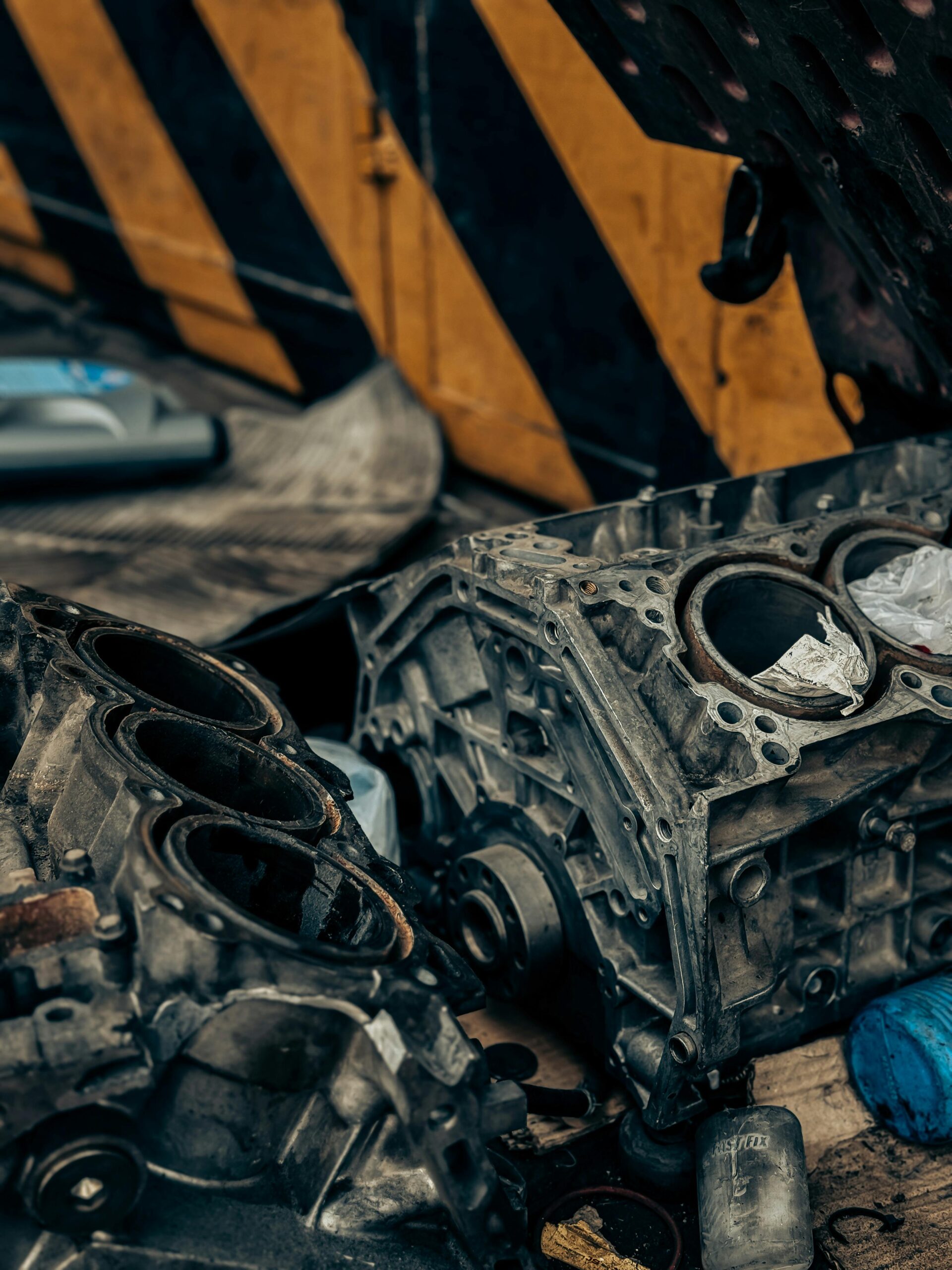
The timing system is a crucial part of any internal combustion engine, ensuring the precise coordination between the engine’s camshaft and crankshaft. Two primary components are used in this system: timing chains and timing belts. While they perform the same function, their construction, advantages, and disadvantages differ significantly. In this article, we will explore these differences in detail, helping you understand which might be better for your needs.
Functions of Timing Chains and Belts
Both timing chains and timing belts serve the same fundamental purpose: they synchronize the rotation of the crankshaft and camshaft. This synchronization ensures that the engine’s valves open and close at the right moments during the intake and exhaust strokes of each cylinder. Accurate timing is critical for optimal engine performance, fuel efficiency, and preventing interference between valves and pistons.
Differences Between Timing Chains and Timing Belts
| Aspect | Timing Chain | Timing Belt |
|---|---|---|
| Material | Made of metal links, similar to a bicycle chain. | Made of reinforced rubber with fiber cords. |
| Durability | Generally lasts the lifetime of the engine. | Requires replacement every 60,000–100,000 miles. |
| Noise | Can be noisier due to metal-on-metal contact. | Operates more quietly. |
| Maintenance | Requires minimal maintenance. | Needs periodic replacement. |
| Cost | Higher initial cost for parts and installation. | Lower initial cost, but higher over time due to replacements. |
| Weight | Heavier than a timing belt. | Lightweight and less bulky. |
Advantages of Timing Chains
- Durability: Timing chains are robust and designed to last the engine’s lifetime, reducing long-term maintenance costs.
- Reliability: They are less prone to snapping or stretching under high-stress conditions.
- Heat Resistance: Metal chains are less affected by high engine temperatures.
- Longevity: Typically outlast timing belts, which need periodic replacement.
Disadvantages of Timing Chains
- Noise: Timing chains can generate more noise, especially as they age.
- Cost: They are more expensive to manufacture and install.
- Weight: Their heavier weight can slightly impact fuel efficiency.
- Complex Repairs: If a timing chain fails, the repair process is often more complicated and costly.
Advantages of Timing Belts
- Quiet Operation: Timing belts run more smoothly and quietly compared to chains.
- Lightweight: They are lighter, which can contribute to better fuel economy.
- Lower Initial Cost: Easier and less expensive to manufacture and install.
- Simplicity: Generally simpler to replace than timing chains.
Disadvantages of Timing Belts
- Shorter Lifespan: Timing belts require replacement at regular intervals, leading to higher long-term maintenance costs.
- Vulnerability to Heat: Prolonged exposure to high temperatures can degrade the rubber material.
- Risk of Failure: A snapped belt can cause significant engine damage, especially in interference engines.
- Environmental Sensitivity: Timing belts can wear out faster in extreme conditions, such as very hot or cold climates.
Which Is Better for You?
The choice between a timing chain and a timing belt depends on your priorities and vehicle type:
- If you value long-term durability and low maintenance, a timing chain is the better option.
- If you prefer quieter operation and lower initial costs, a timing belt may suit you more.
Many modern vehicles have transitioned to timing chains because of their durability and reduced maintenance requirements. However, timing belts remain popular in smaller, more affordable cars where cost and weight savings are significant factors.
Conclusion
Understanding the differences between timing chains and timing belts can help you make informed decisions about vehicle maintenance or when purchasing a new car. While timing chains offer longevity and reliability, timing belts provide quieter operation and lower upfront costs. Each has its strengths and weaknesses, and the best choice will depend on your specific needs and vehicle type.
https://www.pexels.com/photo/close-up-of-car-engine-s-internal-mechanism-28852335/