A turbocharger is a key component in modern automotive engines, designed to enhance engine power by forcing more air into the combustion chamber. By increasing the amount of air (and thus oxygen) available for combustion, a turbocharger allows an engine to burn more fuel, leading to increased power output. This results in a more efficient engine that can produce more horsepower without significantly increasing engine size.
In this article, we will explore what a turbocharger is, how it works, its benefits, types, common issues, and maintenance tips.
What Is a Turbocharger?
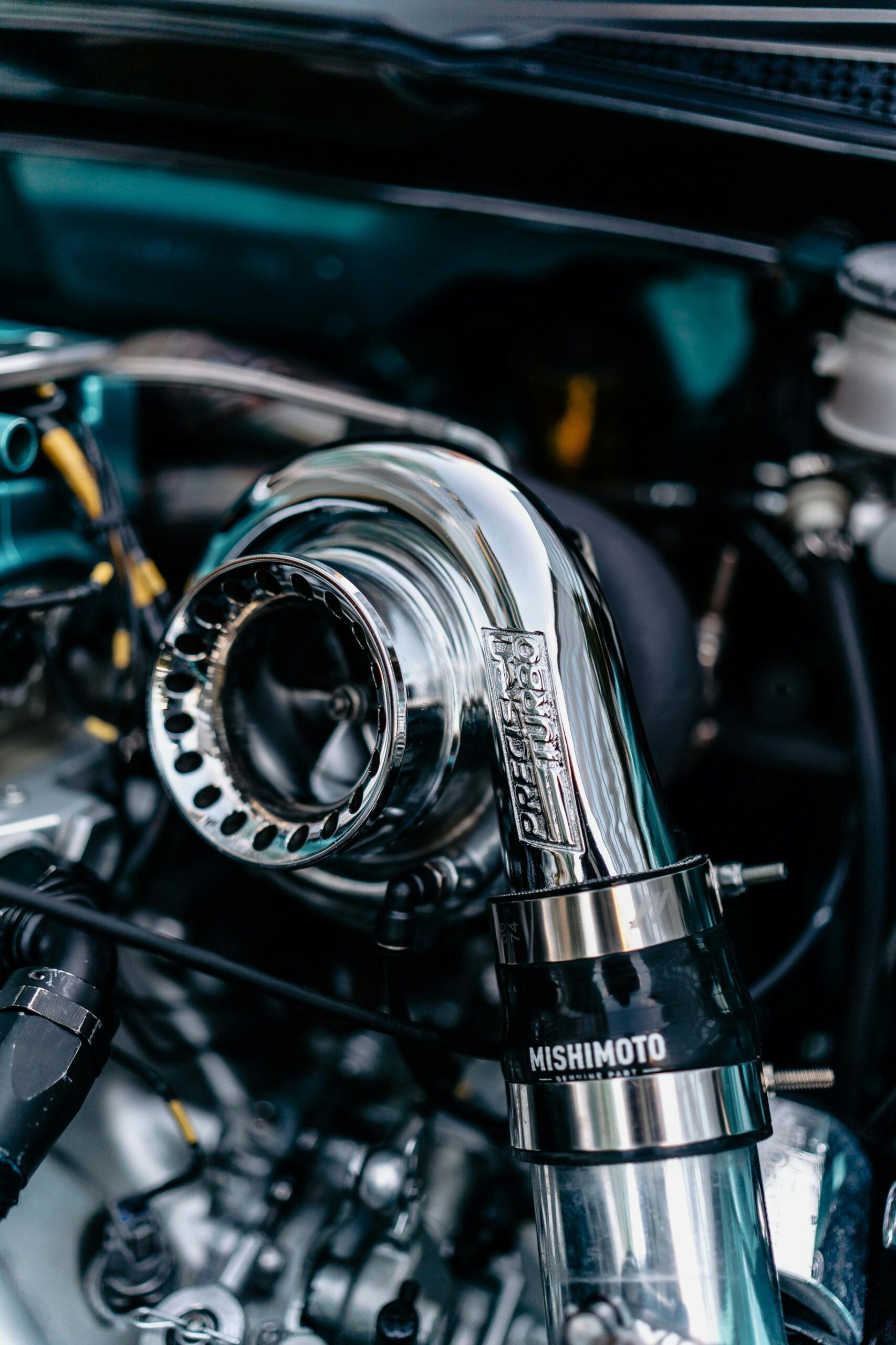
A turbocharger is a forced induction device used to increase the engine’s intake air pressure, allowing more air to enter the engine. This enables the engine to burn more fuel, resulting in more power output without the need for a larger engine. Turbochargers are typically used in both performance vehicles and everyday cars to improve fuel efficiency and performance.
The turbocharger consists of two main components:
- Compressor: The compressor is responsible for drawing in air and compressing it before sending it into the engine’s intake manifold.
- Turbine: The turbine is powered by exhaust gases that exit the engine. As these gases flow through the turbine, they spin a shaft that drives the compressor, thus forcing air into the engine.
This setup is what gives a turbocharger its “boosting” capability—harnessing the energy of the exhaust gases to increase the engine’s air intake.
How Does a Turbocharger Work?
A turbocharger operates using a simple yet effective principle: it uses exhaust gases to spin a turbine, which then powers a compressor. Here’s a step-by-step explanation of how it works:
- Exhaust Gases Spin the Turbine: After the fuel-air mixture is burned in the engine’s combustion chamber, the resulting exhaust gases exit the engine through the exhaust manifold. These gases flow through the turbine side of the turbocharger.
- Turbine Spins the Shaft: The force of the exhaust gases spinning the turbine shaft causes the compressor side of the turbocharger to rotate as well. This is the core mechanism that powers the turbo.
- Compressor Draws in and Compresses Air: As the compressor side spins, it draws in ambient air and compresses it, significantly increasing its pressure. This compressed air is then directed into the engine’s intake manifold.
- Boosting the Air-to-Fuel Ratio: The increased volume of air allows the engine to burn more fuel. With more oxygen in the combustion chamber, the engine can produce more power with each combustion cycle. This process is referred to as “boosting.”
- Exhaust Gases Exit the System: After passing through the turbine, the exhaust gases exit through the exhaust system. Since the turbocharger uses the exhaust gases for power, the overall efficiency of the engine is improved.
Benefits of a Turbocharger
Turbochargers offer a variety of benefits, which is why they are found in a wide range of vehicles from performance cars to economy vehicles. Some of the key advantages include:
1. Increased Power Output
One of the primary benefits of a turbocharger is its ability to increase engine power without the need for a larger engine. By forcing more air into the combustion chamber, the engine can burn more fuel and produce more horsepower, resulting in significantly increased power.
2. Improved Fuel Efficiency
Turbocharging can improve fuel efficiency by allowing a smaller engine to produce more power. Since the engine is forced to use less fuel to produce the same amount of power, vehicles with turbocharged engines tend to be more fuel-efficient compared to naturally aspirated engines of similar size.
3. Smaller Engine Size
A turbocharged engine can deliver the same or even greater performance than a larger naturally aspirated engine. This allows automakers to use smaller, lighter engines while still achieving high power output. This helps reduce the vehicle’s overall weight, improving handling and fuel efficiency.
4. Better Performance at High Altitudes
At high altitudes, the air density decreases, which reduces the amount of oxygen available for combustion in naturally aspirated engines. A turbocharged engine compensates for this by compressing more air, allowing the engine to maintain its power output even at high altitudes.
5. Reduced Emissions
Turbochargers can also help reduce emissions. By improving engine efficiency and enabling the engine to produce more power with less fuel, turbocharged engines emit fewer harmful pollutants per unit of power produced.
Types of Turbochargers
There are several different types of turbochargers, each with its own specific design and use case. The most common types are:
- Single-Turbo: The single-turbo setup is the most common and simplest form of turbocharging. In this setup, a single turbocharger is used to increase engine power. This is typically used in most standard passenger cars and sports cars.
- Twin-Turbo: A twin-turbo system uses two smaller turbochargers to increase engine performance. The two turbos can be configured in different ways:
- Parallel Twin-Turbo: Two identical turbos are used to compress air for each engine bank. This is typically used in V6 or V8 engines.
- Sequential Twin-Turbo: One smaller turbocharger operates at low RPMs for quicker spool-up and efficiency, while the second larger turbo kicks in at higher RPMs for more power. This is common in high-performance vehicles.
- Variable-Geometry Turbo (VGT): A variable-geometry turbo has adjustable vanes that can change the angle of airflow depending on engine speed. This allows for better control of exhaust gas flow, providing more efficient turbocharging at both low and high RPMs. VGTs are often used in diesel engines for better low-end torque.
- Electric Turbocharger: An electric turbo uses an electric motor to spin the turbine rather than relying on exhaust gases. This helps eliminate turbo lag (the delay between acceleration and turbo boost) and allows for quicker response times. Electric turbos are becoming more popular in modern hybrid vehicles.
Common Turbocharger Issues
While turbochargers are durable and reliable, they can experience issues over time. Some of the most common turbocharger problems include:
- Turbo Lag: Turbo lag refers to the delay between the time the accelerator is pressed and when the turbocharger produces a noticeable boost in power. This occurs because the turbo needs to spin up to speed before it starts compressing air. Advances like twin-turbo setups and electric turbos aim to reduce turbo lag.
- Oil Leaks: Turbochargers rely on oil to lubricate their moving parts. If the oil seals fail, it can lead to oil leaks, which may damage the turbocharger and engine. Regular oil changes and maintenance are crucial for avoiding this issue.
- Excessive Heat: Turbochargers are exposed to high temperatures due to the exhaust gases that power them. Overheating can cause turbo failure if the system is not properly cooled. Insufficient oil pressure or dirty oil can exacerbate this problem.
- Clogged or Dirty Turbo: If the turbocharger’s intake or exhaust passages become clogged with carbon, dirt, or debris, it can hinder the turbo’s ability to perform efficiently. Regular maintenance and proper filtration can help prevent this.
- Worn-out Bearings: The bearings that allow the turbo to spin freely can wear out over time, especially if the oil supply is inadequate. Worn bearings can lead to increased friction, reducing the turbo’s efficiency and lifespan.
How to Maintain a Turbocharger
To keep your turbocharger in good working condition and maximize its lifespan, regular maintenance is essential:
- Change the Engine Oil Regularly: Turbochargers rely on clean, high-quality engine oil for lubrication. Regular oil changes help ensure that the turbo operates smoothly and reduces the risk of oil-related issues.
- Allow the Turbo to Cool Down: After driving at high speeds or using the turbocharger intensively, it’s important to let the engine idle for a few minutes before shutting it off. This allows the turbo to cool down and prevents oil from overheating, which can cause damage to the bearings.
- Check for Leaks: Inspect the turbocharger and associated piping for any signs of oil or boost leaks. Addressing these issues early can help prevent major damage to the turbo or engine.
- Use High-Quality Fuel: Low-quality or dirty fuel can cause carbon buildup in the turbocharger, reducing its efficiency. Using high-quality fuel ensures better combustion and helps maintain turbo performance.
Conclusion
The turbocharger is a vital component for improving engine performance and efficiency, especially in performance-oriented and economy vehicles. By increasing the intake air pressure, a turbo allows an engine to produce more power without the need for a larger engine. Turbochargers offer numerous benefits, including increased power, improved fuel efficiency, and better performance at higher altitudes.
Whether you’re looking to boost your vehicle’s performance or improve fuel economy, a turbocharger can be a game-changing upgrade. However, it’s important to ensure proper maintenance and address common issues to keep your turbocharger running smoothly for years to come.
https://www.pexels.com/photo/metal-part-of-engine-14277598/