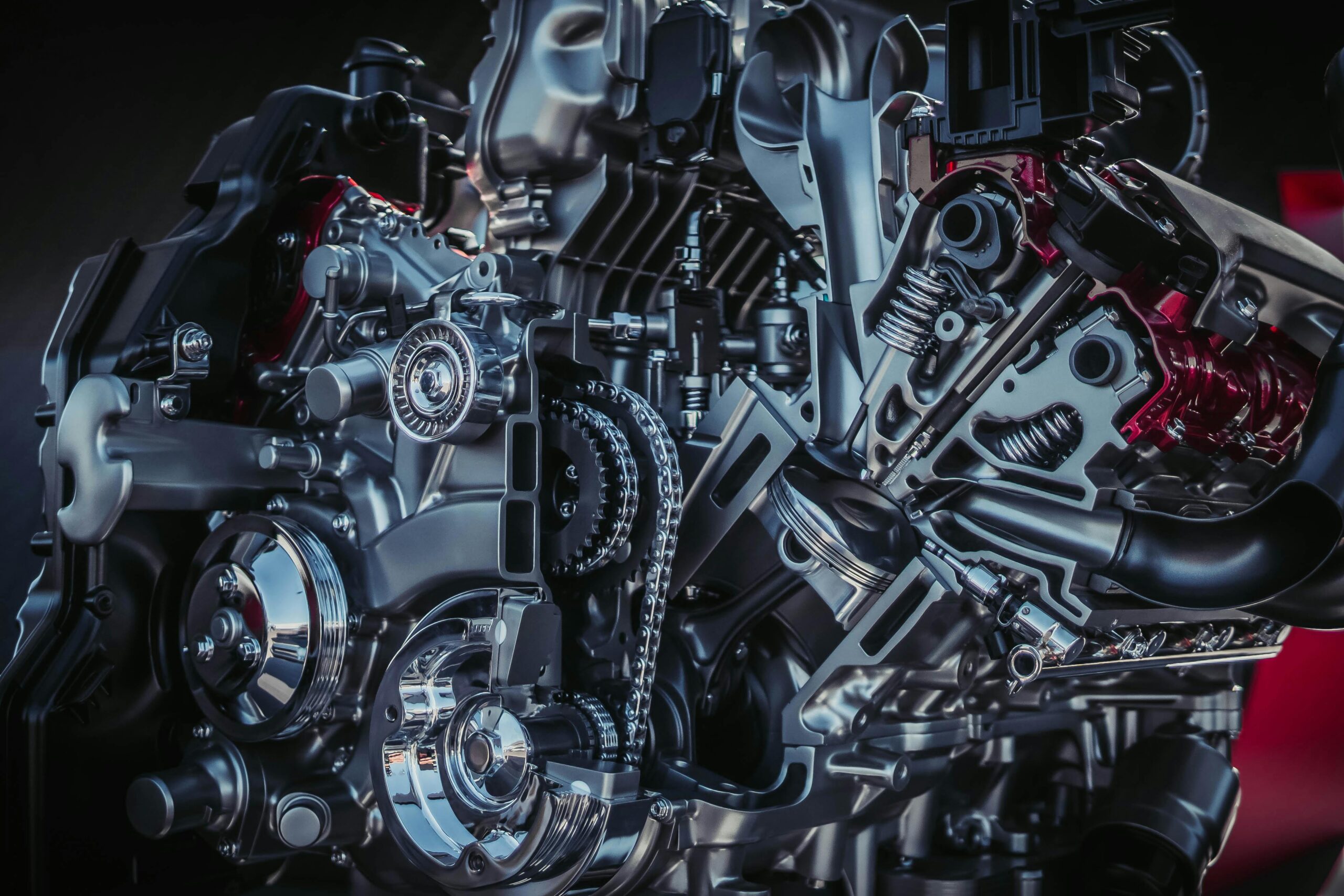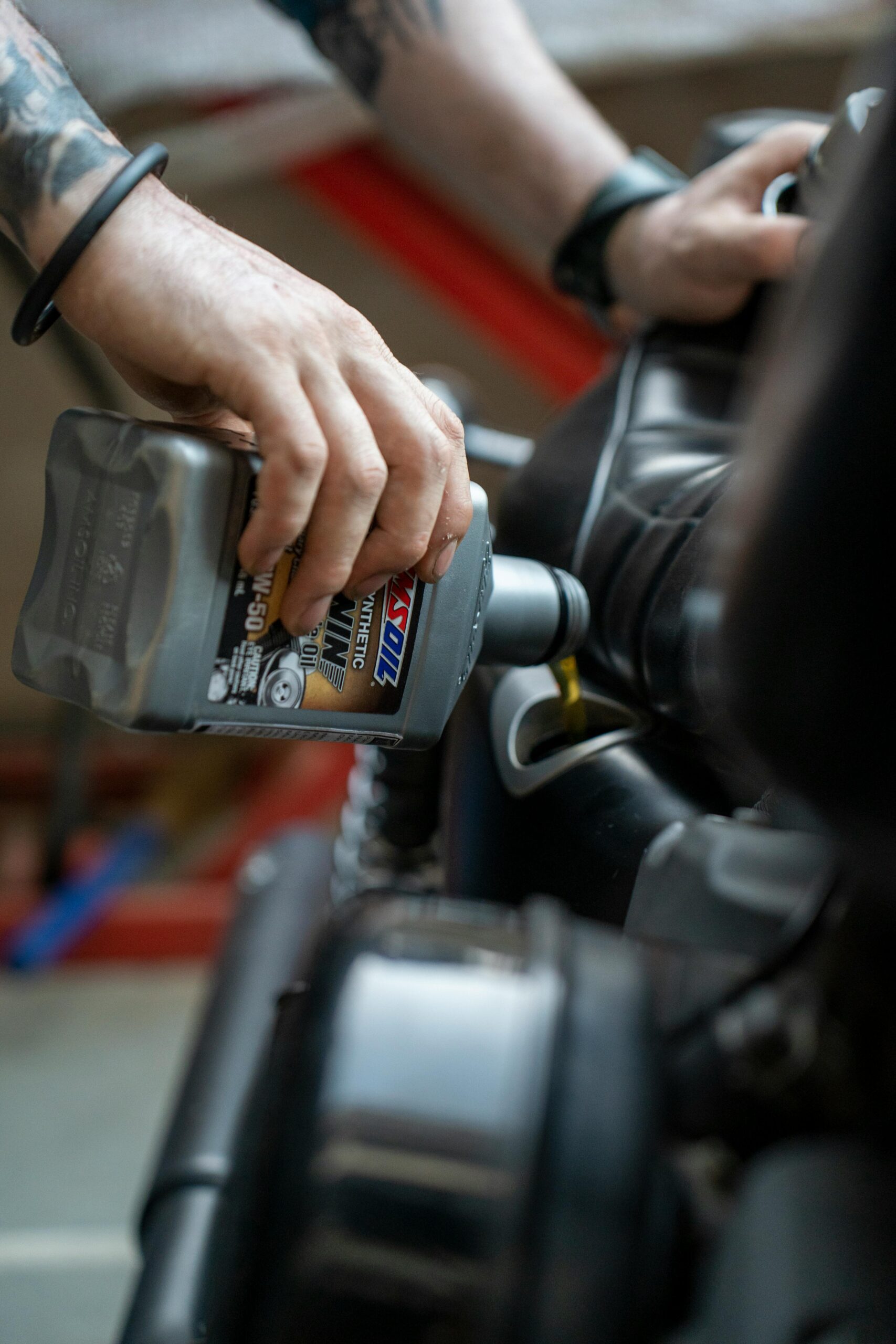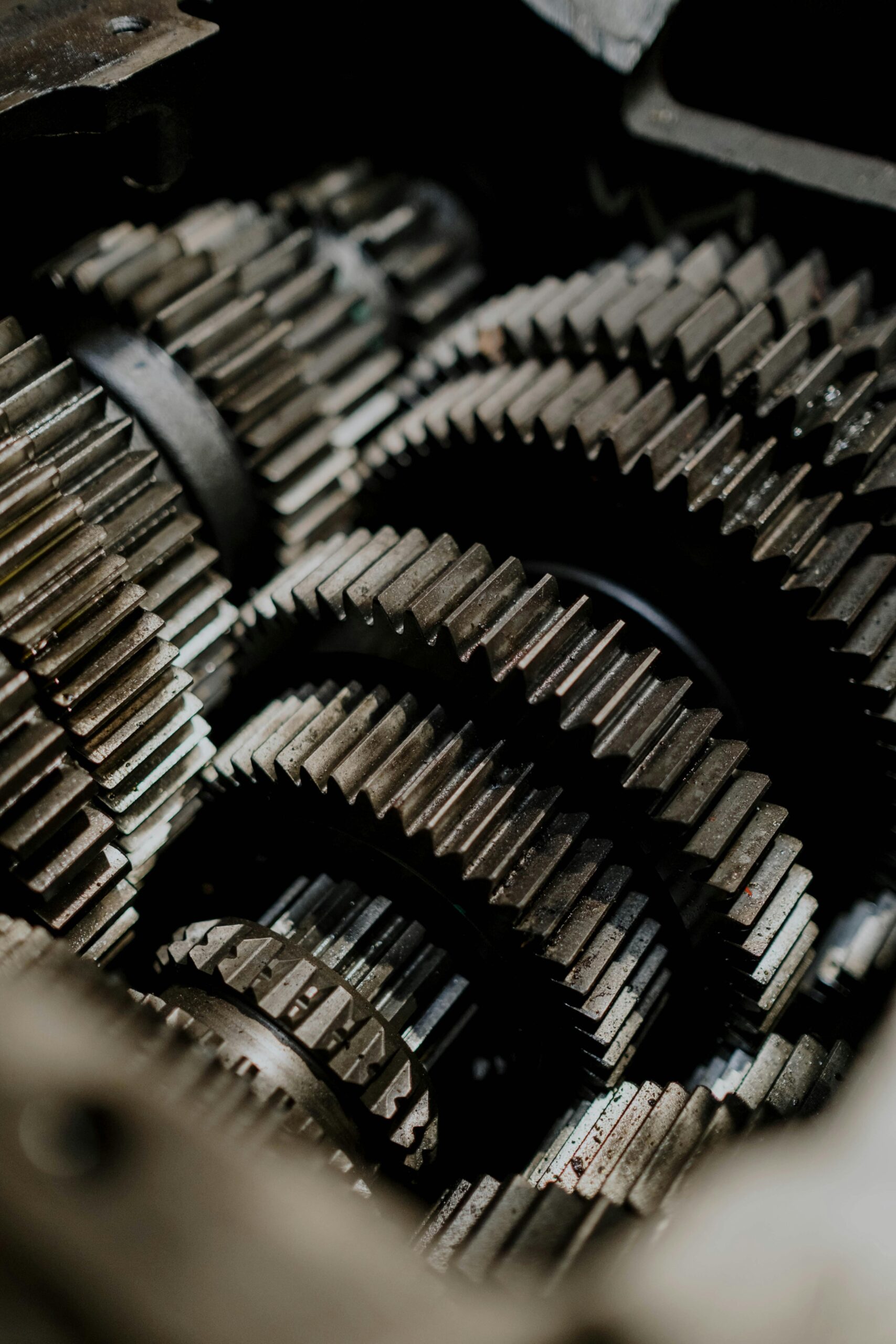
A manual transmission (MT) is a type of transmission system where the driver manually changes gears using a clutch pedal and a gear shift. While automatic transmissions have become more common, manual transmissions remain popular among enthusiasts and in specific vehicle applications for their control, simplicity, and driving engagement.
History of Manual Transmission
- 19th Century: Early manual transmissions appeared in the late 1800s with rudimentary gear systems used in horse-drawn vehicles.
- 1894: Louis-René Panhard and Émile Levassor developed the first car with a modern manual transmission system.
- 1920s-1940s: Synchromesh systems were introduced, allowing smoother gear transitions.
- Post-WWII: Manual transmissions dominated the market until automatic transmissions gained popularity in the mid-20th century.
- Present: While less common in everyday vehicles, manual transmissions are still preferred in sports cars, off-road vehicles, and certain commercial applications.
How Manual Transmission Works
- Clutch System:
- The clutch, operated by a pedal, engages or disengages the engine from the transmission.
- Disengaging the clutch separates the engine’s power from the drivetrain, allowing gear changes.
- Gearbox:
- Contains a set of gears that determine the speed and torque sent to the wheels.
- Lower gears provide more torque for acceleration; higher gears are used for cruising.
- Shifter Mechanism:
- The gear lever manually selects the desired gear by moving the synchronizers and gearsets.
- Synchronizers:
- Match the speed of the gears to ensure smooth engagement during shifts.
Advantages of Manual Transmission
- Driving Control:
- Offers precise control over power delivery and gear selection, especially in challenging conditions.
- Drivers can downshift for engine braking, which is useful on steep descents.
- Fuel Efficiency:
- Generally more efficient than older automatic systems, though modern automatics are closing the gap.
- Durability:
- Fewer components make manual transmissions more robust and reliable.
- Cost-Effectiveness:
- Cheaper to produce, repair, and maintain compared to automatic transmissions.
- Engaging Driving Experience:
- Enthusiasts prefer the tactile connection and skill required to operate a manual transmission.
Disadvantages of Manual Transmission
- Learning Curve:
- Requires skill and coordination to operate, which can be challenging for new drivers.
- Traffic Fatigue:
- In heavy traffic, frequent clutch use can be tiring.
- Market Availability:
- Many modern vehicles no longer offer manual options, limiting choices for buyers.
- Performance Gap:
- Modern automatics and dual-clutch transmissions often provide faster and smoother shifts, especially in performance cars.
Comparison: Manual vs. Automatic Transmission
| Aspect | Manual Transmission (MT) | Automatic Transmission (AT) |
|---|---|---|
| Control | Full control over gear selection | Automatic shifting, less driver control |
| Fuel Efficiency | Higher in older vehicles | Comparable or better in modern vehicles |
| Cost | Lower initial and repair costs | Higher cost due to complexity |
| Ease of Use | Requires skill to operate | Easy to use, ideal for all drivers |
| Performance | Preferred by enthusiasts for control | Faster shifts in high-end automatics |
Applications of Manual Transmission
- Sports Cars:
- Performance-oriented vehicles like the Mazda MX-5 and Ford Mustang offer manual options for driver engagement.
- Commercial Vehicles:
- Trucks and heavy-duty vehicles often use manuals for durability and control in varying conditions.
- Off-Road Vehicles:
- Manual transmissions provide greater control in challenging terrains, favored in models like the Jeep Wrangler.
- Economy Cars:
- Budget-friendly vehicles often include manual options for lower costs.
The Future of Manual Transmission
As the automotive industry shifts toward electrification and automation, the role of manual transmissions is diminishing. However:
- Specialty Markets: Sports cars and enthusiast vehicles are expected to retain manual options.
- Cultural Significance: Manuals remain a rite of passage for driving enthusiasts and a symbol of driving purity.
- Niche Roles: Manuals may continue to thrive in specific applications, such as racing and off-road scenarios.
Conclusion
Manual transmissions have been a cornerstone of automotive design for over a century, offering simplicity, control, and engagement. While their mainstream presence has waned, they remain a beloved choice for enthusiasts and specialized applications. For those who value the art of driving, the manual transmission continues to hold a special place on the road.
https://www.pexels.com/photo/close-up-of-transmission-gears-7568427/