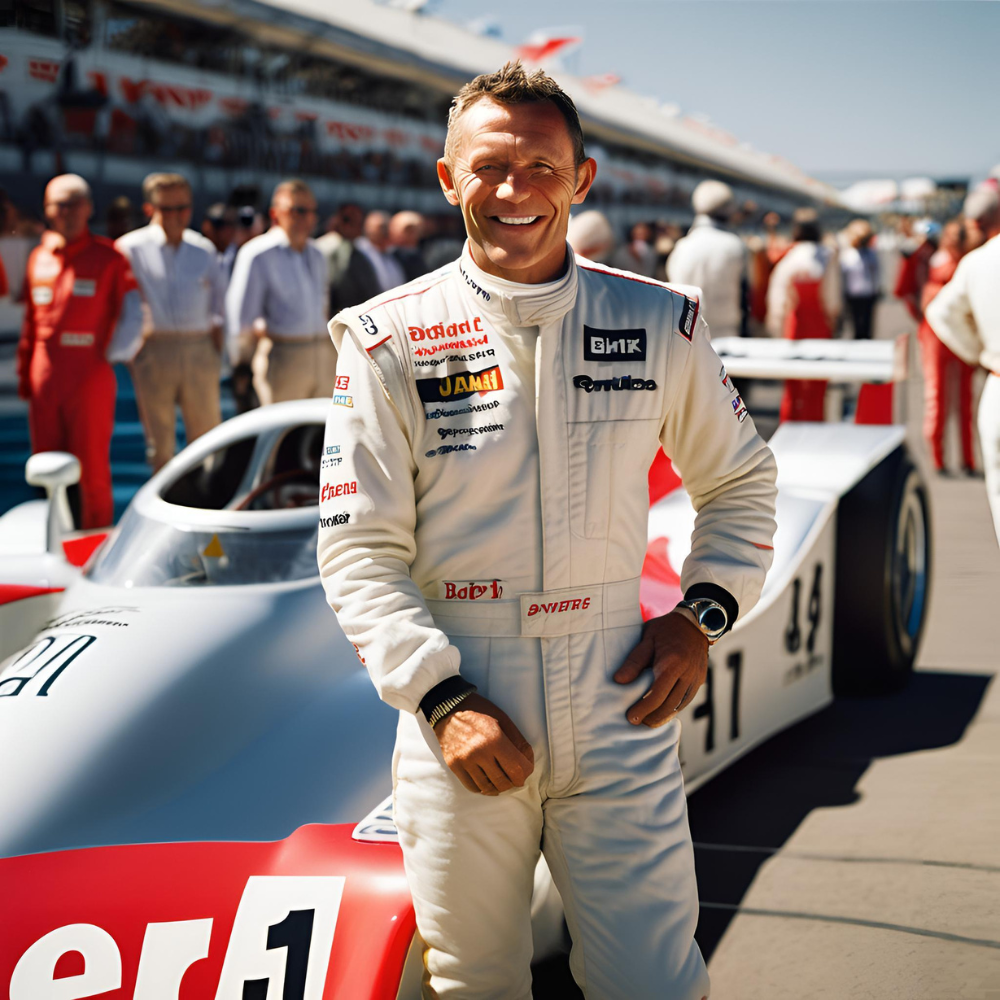
The Goodwood Festival of Speed (FoS) is one of the most iconic and prestigious automotive events in the world. Held annually in West Sussex, UK, it is a thrilling celebration of motorsports, car culture, and automotive innovation. With its unique blend of historic racing, cutting-edge technology, and unparalleled access to legendary vehicles and drivers, the Festival of Speed attracts enthusiasts, collectors, and manufacturers from across the globe.
Let’s dive into what makes this event so special and explore its history, highlights, and legacy.
What is the Goodwood Festival of Speed?
The Goodwood Festival of Speed is an annual motorsport event held at Goodwood House, the ancestral home of the Duke of Richmond. Unlike traditional race events, the Festival of Speed combines the thrill of motorsport with the elegance of a country estate, making it a truly unique experience.
Key Features of the Festival:
- Hillclimb Event: The centerpiece of the Festival is the 1.16-mile hillclimb course, where cars from every era of motoring history race to set the fastest time.
- Exhibitions and Displays: From futuristic electric hypercars to priceless vintage racers, the event showcases an extraordinary range of vehicles.
- Supercar Paddock: A showcase for the latest high-performance vehicles, offering a first look at new models and prototypes.
- Celebration of Motorsport Icons: Legendary drivers, teams, and cars are honored, often with live demonstrations.
- The Goodwood Sculpture: Each year, a striking centerpiece sculpture is unveiled, often themed around a specific automaker or motorsport milestone.
History of the Goodwood Festival of Speed
1948–1966: The Early Goodwood Circuit
The Goodwood estate has a long-standing association with motorsport. The Goodwood Motor Circuit, located near the house, hosted its first official race in 1948. Over the next two decades, it became a key venue for British motorsport, hosting events like Formula 1 races and the Tourist Trophy. However, the circuit ceased hosting professional races in 1966, and motorsport at Goodwood remained dormant for decades.
1993: The Birth of the Festival of Speed
The Goodwood Festival of Speed was founded in 1993 by the Duke of Richmond (then Lord March). He envisioned a motorsport event that would celebrate both the history and the future of racing while bringing the excitement of motorsport back to Goodwood. The first event was a modest gathering, with about 25,000 attendees, but its charm and unique format quickly captured the imagination of motorsport enthusiasts.
1990s: Rapid Growth
By the late 1990s, the Festival of Speed had grown into a major international event. Its appeal lay in its ability to bring fans closer to the action, with unrestricted access to cars, drivers, and paddocks—a stark contrast to the barriers of modern racetracks. The hillclimb event became a signature feature, attracting world-renowned drivers and a diverse range of vehicles.
2000s and Beyond: A Global Phenomenon
In the 2000s, the Festival of Speed solidified its position as one of the most significant automotive events globally. It became a launch platform for automakers, who began debuting new models and concept cars at Goodwood. The event also expanded to include modern electric vehicles, autonomous technology, and the latest innovations in the automotive world.
What Makes the Goodwood Festival of Speed Special?
1. The Hillclimb
The 1.16-mile hillclimb course is the heart of the Festival. Drivers race against the clock, navigating a challenging course that winds through the Goodwood estate. From historic race cars and modern F1 machines to superbikes and one-off prototypes, the diversity of vehicles on display is staggering.
2. Access to Legends
Few events offer the kind of access to motorsport legends that the Goodwood Festival of Speed does. Visitors can meet famous drivers, team principals, and even see legendary cars in action. Past participants have included names like Lewis Hamilton, Sebastian Vettel, Sir Stirling Moss, and Ken Block.
3. A Living Museum
The Festival is like stepping into a living museum of motorsport. Attendees can see priceless vintage race cars, early prototypes, and even modern hypercars, all in motion rather than static display. Whether it’s a 1920s Bugatti or a modern-day McLaren, every vehicle is treated with reverence.
4. Celebration of Innovation
In addition to historic vehicles, the Festival celebrates the future of motoring. Automakers use the event to showcase their latest models, including electric vehicles (EVs), hypercars, and concept cars. It’s not uncommon for a car to make its global debut at Goodwood.
5. The Goodwood Sculpture
Every year, the Festival features a massive sculpture that serves as a centerpiece. Designed by artist Gerry Judah, these sculptures often honor an automaker or a specific milestone in motorsport history. They have become a symbol of the event’s creativity and elegance.
Cultural and Motorsport Significance
The Goodwood Festival of Speed is more than an event—it’s a celebration of car culture and motorsport history. It bridges the gap between historic racing and modern automotive innovation, providing a platform where fans can engage with the past, present, and future of motoring.
For Motorsport Fans
The Festival is a dream come true for motorsport fans. Whether it’s seeing classic cars that once raced at Le Mans or watching modern F1 cars tackle the hillclimb, the event provides an unparalleled connection to the sport.
For Automakers
The Festival is an invaluable platform for automakers to engage with their audience. From debuting new models to celebrating their heritage, companies use Goodwood to showcase their identity.
For Everyone Else
Even if you’re not a die-hard car enthusiast, the Goodwood Festival of Speed offers a unique cultural experience. The combination of art, engineering, history, and adrenaline ensures there’s something for everyone.
Future Trends at Goodwood
As the automotive world transitions to more sustainable technologies, the Festival of Speed continues to evolve:
- Electric Vehicles (EVs): Expect more high-performance EVs and innovations in green technology.
- Autonomous Vehicles: Demonstrations of advanced autonomous systems have become a regular feature.
- Sustainability: The Festival is incorporating more eco-friendly initiatives, reflecting broader industry trends.
Conclusion
The Goodwood Festival of Speed is a unique celebration of motorsport, car culture, and automotive innovation. Whether you’re a fan of vintage race cars, modern supercars, or the latest EVs, the Festival offers an unforgettable experience that brings the automotive world to life.
From its historic roots to its status as a global phenomenon, Goodwood is a testament to the enduring passion for cars and motorsport. It’s more than an event—it’s an institution that continues to inspire and captivate automotive enthusiasts worldwide.