In modern internal combustion engines, fuel injectors play a crucial role in ensuring that the engine receives the correct amount of fuel for optimal performance, efficiency, and emissions control. These components are essential for the precise delivery of fuel into the combustion chamber, ensuring a proper air-fuel mixture for combustion to take place. The fuel injector is a key part of the engine’s fuel injection system, which has replaced older carburetors in most vehicles due to its ability to provide better fuel control and efficiency.
In this article, we will delve into the role of the fuel injector, how it works, its components, types, and the importance of maintaining it for your engine’s performance.
What is a Fuel Injector?
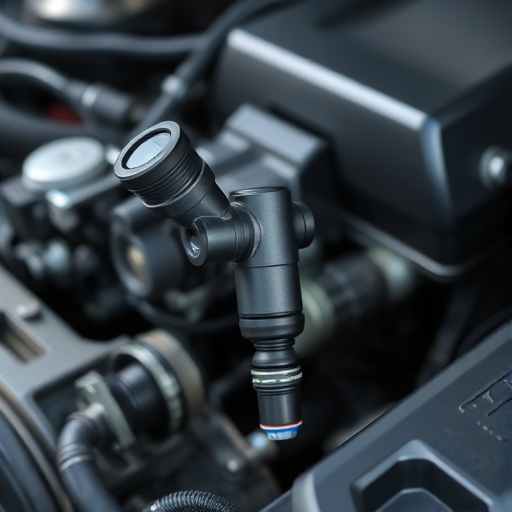
A fuel injector is an electrically controlled device that sprays a fine mist of fuel into the intake manifold or directly into the combustion chamber of an engine. This fine mist, or atomized fuel, mixes with air to form the air-fuel mixture necessary for combustion. The injector is part of the fuel injection system, which also includes the fuel pump, fuel filter, and electronic control unit (ECU), which together control fuel delivery to the engine.
Fuel injectors are designed to precisely regulate the amount of fuel injected into the engine at the right moment, ensuring that the engine runs efficiently and cleanly. Whether the engine is idling, accelerating, or cruising at a constant speed, the fuel injectors adapt to the changing needs of the engine, optimizing performance.
How Do Fuel Injectors Work?
Fuel injectors work by spraying fuel in a precise pattern into the intake manifold (or directly into the combustion chamber in some cases), where it mixes with air. The injection of fuel is timed precisely by the engine control unit (ECU) to match the needs of the engine.
Here’s a step-by-step breakdown of how a fuel injector functions:
1. Fuel Delivery to the Injector
- The fuel injector is supplied with fuel from the fuel pump, which draws fuel from the vehicle’s fuel tank. The fuel passes through the fuel filter to remove impurities before reaching the injector.
2. Signal from the ECU
- The engine control unit (ECU) determines the exact amount of fuel required for combustion based on various factors, including engine speed (RPM), throttle position, air intake, and temperature.
- The ECU sends a signal to the injector, opening the injector’s nozzle at the precise moment to deliver the fuel.
3. Fuel Injection Process
- The injector contains a solenoid (an electromagnetic valve) that, when activated, opens the injector valve. This allows pressurized fuel to pass through the nozzle and into the intake manifold or combustion chamber.
4. Atomization of the Fuel
- The fuel exits the nozzle in a fine mist, or atomized fuel, which is crucial for ensuring that the fuel mixes evenly with air. This atomized fuel is more easily ignited by the spark plug, ensuring efficient combustion.
5. Closed Valve
- Once the ECU signals the injector to stop injecting fuel, the solenoid closes the valve, preventing any more fuel from entering the engine until the next cycle. This precise timing ensures that the correct amount of fuel is injected into the combustion chamber at all times.
The entire process happens rapidly and precisely, often thousands of times per minute, ensuring that the engine operates smoothly and efficiently.
Components of a Fuel Injector
A typical fuel injector is composed of several key components that work together to ensure proper fuel delivery:
- Nozzle: The part of the injector where fuel is sprayed into the combustion chamber. The nozzle has a small opening that is designed to create a fine mist or spray pattern, which promotes efficient combustion.
- Solenoid: An electromagnetic valve that controls the opening and closing of the injector. When activated by the ECU, it opens the injector, allowing fuel to flow through.
- Needle Valve: The needle valve controls the flow of fuel through the nozzle. When the solenoid is energized, the needle valve lifts, allowing fuel to pass through the injector’s nozzle.
- Fuel Injector Body: The outer casing that holds all the components of the injector together. It is designed to withstand high pressures and temperatures in the engine.
- O-Rings: Sealing rings that ensure the injector is properly sealed within the injector rail and prevent any fuel leakage.
- Electrical Connector: The connector allows the injector to receive signals from the ECU that control the injector’s operation.
Types of Fuel Injectors
There are various types of fuel injectors, and the type used in an engine depends on the design of the fuel injection system. The two main types of fuel injectors are port fuel injectors and direct fuel injectors.
1. Port Fuel Injectors (PFI)
- Port fuel injectors are the most common type used in older and many current gasoline engines. They inject fuel into the intake manifold, where the fuel mixes with air before entering the combustion chamber.
- This system provides good fuel atomization and combustion efficiency, but because the fuel is injected upstream of the intake valves, it doesn’t take full advantage of combustion chamber temperatures, which can lead to slightly lower efficiency compared to direct injection systems.
2. Direct Fuel Injectors (GDI)
- Direct fuel injectors inject fuel directly into the combustion chamber under high pressure. This allows for more precise fuel delivery and better control over combustion. GDI systems can result in increased engine efficiency, more power, and lower emissions.
- Since the fuel is injected directly into the combustion chamber, direct injectors allow for more controlled and precise combustion, leading to better power and fuel efficiency, especially under high loads.
3. Dual Injection
- Some modern engines utilize a combination of both port and direct injection systems, which is referred to as dual injection. This allows for the advantages of both systems: better fuel atomization and mixing from the port injectors, along with the improved power and efficiency from the direct injectors.
Fuel Injector Timing and Control
The timing and amount of fuel injected by the fuel injectors are controlled by the engine control unit (ECU). The ECU constantly monitors various parameters, including throttle position, air intake temperature, engine speed (RPM), and load, to adjust the fuel delivery accordingly.
For example:
- Idle Conditions: When the engine is idling, the ECU instructs the fuel injectors to inject small amounts of fuel at the right intervals to maintain smooth idling.
- Accelerating: During acceleration, the ECU signals the injectors to increase fuel flow, ensuring the engine has enough power to respond to the increased throttle.
- Cruising: When cruising at a constant speed, the injectors are programmed to provide a balanced air-fuel mixture for fuel efficiency.
Common Issues with Fuel Injectors
Fuel injectors, like all engine components, can suffer from wear and performance issues over time. Common problems include:
- Clogging: Deposits from poor-quality fuel or contaminants can build up in the fuel injectors, restricting fuel flow and affecting performance. A clogged injector can result in misfires, poor acceleration, or rough idling.
- Leaking: If an injector’s seal or needle valve fails, it can leak fuel into the combustion chamber, leading to inefficient combustion, misfires, and possible engine damage.
- Electrical Failures: Since fuel injectors rely on an electrical signal from the ECU, issues with the injector’s wiring or electrical components can cause the injector to malfunction.
- Wear and Tear: Over time, fuel injectors can wear out, leading to decreased fuel efficiency, rough engine performance, and increased emissions.
Fuel Injector Maintenance and Cleaning
To ensure that fuel injectors continue to perform optimally, regular maintenance and cleaning are essential. Here are some ways to keep fuel injectors in good condition:
- Fuel Injector Cleaning: Professional cleaning can remove carbon deposits or dirt that may clog the injectors. This can be done through ultrasonic cleaning or chemical cleaning, which restores the injectors’ performance.
- Using High-Quality Fuel: Using high-quality fuel with detergents can help prevent the buildup of harmful deposits in the injectors, improving their lifespan and performance.
- Regular Engine Maintenance: Keeping the engine well-maintained with regular oil changes, air filter replacements, and proper fuel system care can prevent problems from arising in the fuel injection system.
Conclusion
Fuel injectors are vital components in modern engines that ensure the proper delivery of fuel for efficient and clean combustion. By atomizing fuel and injecting it at precise intervals, they optimize engine performance, fuel efficiency, and emissions control. Whether in a port fuel injection system or a direct fuel injection system, fuel injectors have revolutionized the way engines operate, contributing to better power, efficiency, and lower emissions.
Proper maintenance and timely cleaning or replacement of fuel injectors are essential for ensuring the long-term health of your engine. When fuel injectors perform well, your engine will run smoothly, efficiently, and reliably, making them an indispensable part of modern automotive engineering.