A differential lock, often referred to as a “locker,” is a crucial component in many modern vehicles, especially those designed for off-roading, heavy-duty work, or high-performance sports. It plays a significant role in controlling how power is distributed to a vehicle’s wheels, ultimately improving its traction and overall handling. Whether you’re new to vehicle mechanics or an enthusiast, understanding how differential locks work and when to use them is essential for getting the most out of your vehicle, especially in challenging conditions.
What is a Differential Lock?
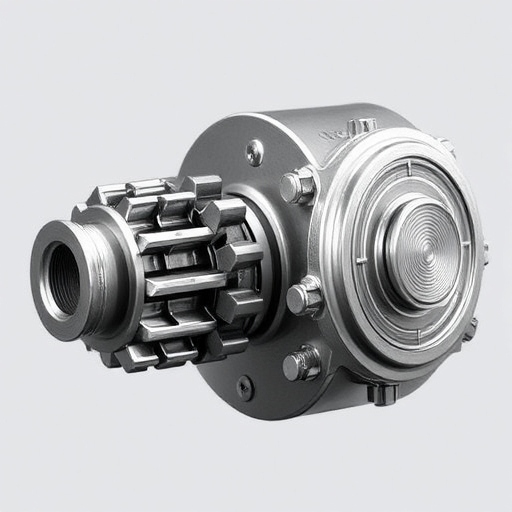
A differential lock is a mechanical device that locks the two wheels on an axle together, forcing them to rotate at the same speed. Under normal conditions, a differential allows the wheels on the same axle to rotate at different speeds, which is especially important when turning, as each wheel needs to cover a different distance.
However, in situations where one wheel loses traction, such as when driving on slippery, loose, or uneven surfaces, the differential can allow power to go to the wheel with the least resistance, which may leave the vehicle stuck. A differential lock solves this problem by locking the two wheels together, ensuring that both wheels receive power equally, even if one is slipping.
Types of Differential Locks
There are different types of differential locks, each serving a specific purpose and offering various advantages:
- Manual (or Mechanical) Lockers
These are engaged and disengaged manually, often via a lever or switch inside the vehicle. They provide the driver full control over when the locker is engaged. Mechanical lockers are reliable and simple but require the driver to actively monitor and manage them.
Advantages: Full control, reliability, simplicity.
Disadvantages: Requires driver intervention, not ideal for everyday driving. - Automatic Lockers
As the name suggests, automatic lockers engage without any input from the driver. These systems automatically lock the differential when there is a difference in wheel speed (such as when one wheel slips). Once traction is regained, the locker disengages.
Advantages: No need for driver input, seamless operation.
Disadvantages: Less control over when the locker engages, can be more complex. - Electronically Controlled Lockers
These are controlled by an electronic system, which allows the driver to engage or disengage the locker at the push of a button. They offer more convenience compared to manual lockers while giving the driver more control than automatic systems.
Advantages: Convenient, can be activated from the driver’s seat.
Disadvantages: Potential for electronic failure, more complex. - Limited-Slip Differentials (LSD)
A limited-slip differential is often confused with a locker, but it’s not exactly the same. LSDs allow for some differentiation between the two wheels while limiting the difference in speed, preventing one wheel from spinning entirely. While not as aggressive as a true differential lock, it can still provide a substantial boost in traction.
Advantages: Less aggressive than full lockers, improves traction without fully locking the wheels.
Disadvantages: Not as effective in extreme conditions.
How Does a Differential Lock Work?
To understand how a differential lock operates, it’s important to first know how a differential works in a vehicle. A differential splits the engine power between the two wheels on the same axle. If you’re turning a corner, the inside wheel travels a shorter distance than the outside wheel, and the differential allows for the necessary difference in rotation speed between them.
However, if one wheel begins to slip—say, on a patch of ice or mud—the differential will continue to send power to the wheel with the least resistance. This can result in the vehicle becoming stuck, with one wheel spinning wildly while the other is stationary.
When a differential lock is engaged, it overrides the differential’s ability to allow different wheel speeds. Instead, it forces both wheels to spin at the same speed, even if one is slipping. This is especially useful in off-road conditions, where one wheel may be on solid ground while the other is bogged down in mud, sand, or snow.
Benefits of a Differential Lock
- Improved Traction
The main advantage of using a differential lock is that it provides improved traction in challenging conditions. By locking the wheels together, it ensures that both wheels receive power, allowing you to move even when one wheel is on a slippery or loose surface. - Prevents Getting Stuck
Whether you’re off-roading or dealing with challenging weather conditions like snow or mud, a locked differential helps to prevent your vehicle from becoming stuck. This can be a lifesaver, especially in remote areas where recovery may not be readily available. - Better Control in Tough Terrain
When navigating uneven surfaces, steep inclines, or rocky landscapes, a differential lock ensures that the wheels are working together. This can provide better stability and control, especially for vehicles used in off-road racing or heavy-duty work like construction and farming. - Enhanced Off-Road Performance
Off-road vehicles, such as 4x4s, trucks, and SUVs, benefit greatly from differential locks. They enable these vehicles to traverse rough terrain more effectively and reduce the likelihood of getting stuck in deep sand, snow, or mud.
When to Use a Differential Lock
Differential locks should not be used on dry, paved roads, as they can cause significant tire wear and damage to the drivetrain. These locks are most effective in situations where traction is compromised, including:
- Mud, snow, and sand
When one or both wheels lose traction on soft or slippery surfaces, a differential lock can help get the vehicle moving. - Rocky or uneven terrain
Off-road enthusiasts often use lockers to help their vehicles tackle large rocks, steep inclines, and uneven surfaces. - Deep water or flood conditions
When wading through water, a differential lock can prevent wheels from spinning while the vehicle is partially submerged.
Downsides of Differential Lock
While differential locks are incredibly useful in certain situations, they come with a few drawbacks:
- Increased Tire Wear
When a differential lock is engaged on hard, dry surfaces, the tires are forced to rotate at the same speed, which can lead to uneven wear and potentially damage the drivetrain. - Handling Issues on Pavement
Differential locks can make driving on pavement challenging, as the vehicle can feel less stable when turning. Engaging the locker on hard surfaces can also stress other parts of the drivetrain, particularly the differential gears. - Limited Use
The need for a differential lock is usually confined to specific situations (e.g., off-roading). For everyday driving on smooth roads, it’s typically unnecessary and should be disengaged to avoid causing damage.
Conclusion
Differential locks are powerful tools that can vastly improve a vehicle’s performance in tough conditions. Whether you’re off-roading, navigating challenging weather, or just need better traction, a locker can provide significant benefits. Understanding how and when to use it is critical to getting the most out of this feature. Always remember, a differential lock is a tool designed for specific use cases, and using it in the wrong conditions can cause damage. Proper knowledge and management of this component will help ensure your vehicle’s longevity and enhance its capabilities.
Next time you face a challenging off-road trail or slippery conditions, you’ll have the confidence to engage your differential lock and tackle the terrain with ease!