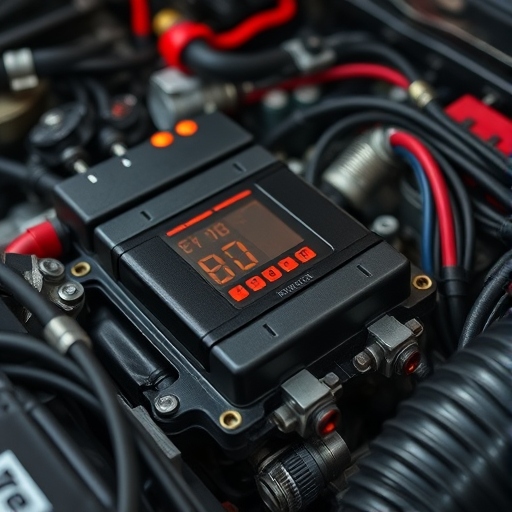
Performance-specific transmissions are engineered to meet the demands of high-performance vehicles. These systems are optimized for faster gear changes, precise power delivery, and enhanced control, catering to sports cars, racing vehicles, and other performance-oriented applications. They are designed to handle higher power outputs and torque levels, offering superior performance compared to standard transmissions.
Types of Performance-Specific Transmissions
- Manual Transmission (MT):
- Favored by purists, manual transmissions provide direct driver control over gear changes.
- Lightweight and reliable, they are still popular in sports cars like the Mazda MX-5 Miata and Ford Mustang GT.
- Dual-Clutch Transmission (DCT):
- Known for lightning-fast gear shifts and no power interruption, DCTs use two clutches to pre-select gears.
- Common in high-performance cars like the Porsche 911 and BMW M-Series.
- Sequential Manual Transmission (SMT):
- Primarily used in racing, SMTs allow for rapid gear changes in a fixed sequence (up or down).
- Found in professional motorsports and track-focused vehicles like the McLaren P1 GTR.
- Torque Converter Automatic with Performance Tuning:
- Modified torque converter automatics with faster response times, such as in the Dodge Challenger Hellcat.
- Advanced electronics and lock-up torque converters enhance performance.
- Continuously Variable Transmission (CVT) with Manual Mode:
- Performance-tuned CVTs like in the Subaru WRX simulate gear ratios for sportier handling.
- While rare, they are optimized for efficiency and responsiveness.
- Hybrid-Specific Transmissions:
- High-performance hybrids, such as the Ferrari SF90 Stradale, use complex systems to balance internal combustion and electric power for maximum output.
Key Features of Performance-Specific Transmissions
- Quick Gear Changes:
- Minimized shift times for maximum acceleration and responsiveness.
- High Torque Capacity:
- Designed to handle the stress of powerful engines without compromising durability.
- Advanced Cooling Systems:
- Keep transmission components at optimal temperatures during high-stress operation.
- Driver Engagement:
- Systems like manual transmissions and paddle shifters provide direct control, enhancing driving pleasure.
- Launch Control:
- Many performance transmissions integrate launch control systems for optimized acceleration from a standstill.
Advantages of Performance-Specific Transmissions
- Faster Acceleration:
- Precise gear shifts maximize power delivery to the wheels.
- Improved Track Performance:
- Advanced systems like DCTs excel in competitive environments.
- Durability:
- Built to withstand extreme forces and heat generated by high-speed driving.
- Driver Satisfaction:
- Offer greater control and responsiveness compared to standard systems.
Disadvantages of Performance-Specific Transmissions
- Cost:
- High-performance transmissions are expensive to produce, repair, and maintain.
- Complexity:
- Advanced systems like DCTs and SMTs require sophisticated technology, increasing the likelihood of issues.
- Weight:
- Some systems, such as reinforced torque converter automatics, can add weight to the vehicle.
- Limited Accessibility:
- Performance transmissions are often exclusive to high-end or niche vehicles, making them less available for everyday drivers.
Comparison of Performance-Specific Transmissions
| Transmission Type | Pros | Cons | Examples |
|---|---|---|---|
| Manual (MT) | High engagement, lightweight, reliable | Slower shifts, requires driver skill | Mazda MX-5, Ford Mustang GT |
| Dual-Clutch (DCT) | Fast shifts, no power loss, smooth performance | Expensive, complex maintenance | Porsche 911, Audi RS5 |
| Sequential (SMT) | Ultra-fast shifts, track-focused | Not practical for daily driving | McLaren P1, Formula 1 cars |
| Performance Torque Converter | Smooth operation, high durability | Heavier, slower shifts than DCT | Dodge Hellcat, Toyota Supra (AT) |
| Performance CVT | Efficient, smooth simulated shifts | Limited to specific applications | Subaru WRX (CVT) |
| Hybrid-Specific Systems | Optimal power blending, innovative | Complex, expensive | Ferrari SF90 Stradale, McLaren Artura |
Applications of Performance-Specific Transmissions
- Sports Cars:
- Vehicles like the Chevrolet Corvette and Porsche Cayman benefit from transmissions that enhance speed and agility.
- Racing Cars:
- Sequential and dual-clutch systems dominate professional motorsports for their efficiency and reliability.
- Luxury Performance Vehicles:
- High-end brands like Aston Martin and Bentley integrate advanced automatics with manual modes for a refined yet sporty experience.
- Electric Supercars:
- Hypercars like the Rimac Nevera utilize performance-tuned transmissions to handle immense electric power output.
Future Trends in Performance Transmissions
- Hybrid and Electric Integration:
- The shift to hybrid and fully electric powertrains is pushing innovation in performance transmission designs.
- Lightweight Materials:
- Use of carbon fiber and titanium to reduce weight without compromising strength.
- Adaptive Systems:
- AI-driven systems that adjust shift patterns based on driving style and conditions.
- Enhanced Cooling:
- Advanced cooling solutions to handle increased heat from performance driving.
Conclusion
Performance-specific transmissions are integral to high-performance vehicles, ensuring power, precision, and reliability. Whether it’s the visceral engagement of a manual gearbox or the seamless speed of a dual-clutch system, these transmissions are tailored to meet the demands of enthusiasts and professionals alike. As automotive technology continues to evolve, the future of performance-specific transmissions promises even greater innovation and capabilities.