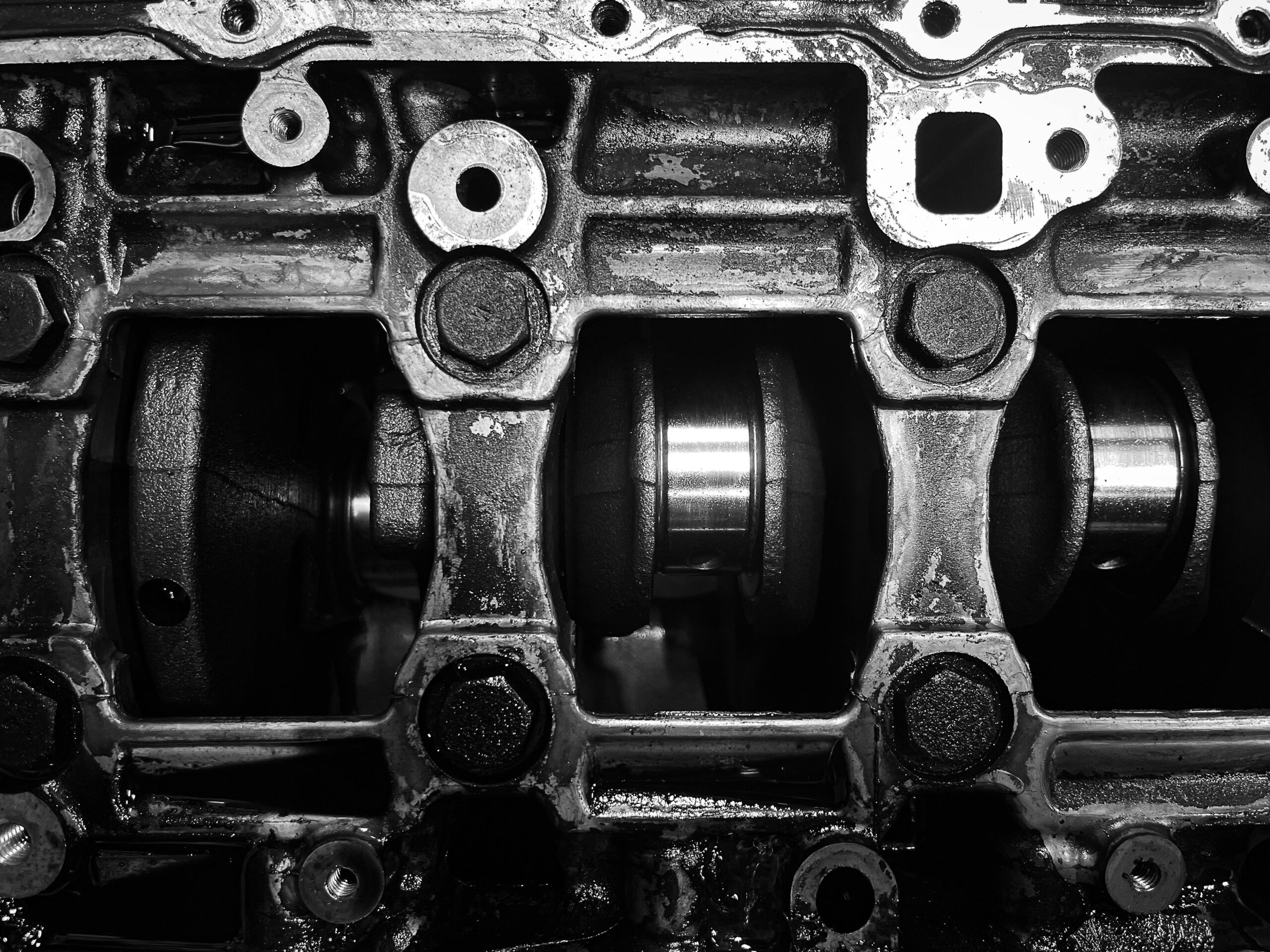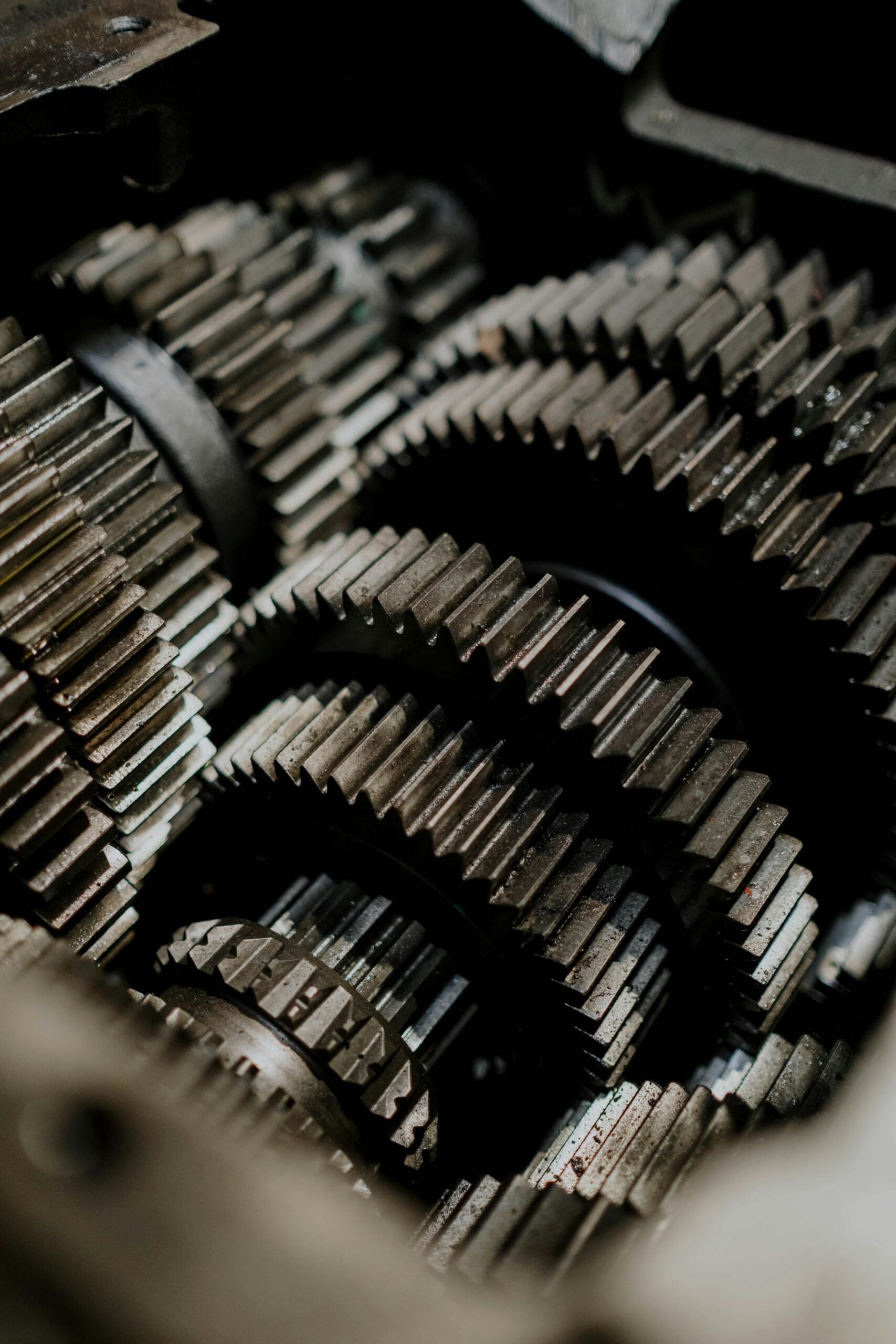
An automatic transmission (AT) is a type of gearbox that automatically changes gear ratios as a vehicle moves, freeing the driver from having to manually shift gears. Over the years, automatic transmissions have evolved into a preferred choice for drivers seeking convenience and comfort, especially in urban and high-traffic environments.
History of Automatic Transmission
- 1904: The first automatic transmission concept was introduced by the Sturtevant brothers in the United States.
- 1921: Alfred Horner Munro, a Canadian engineer, developed a steam-powered automatic transmission, though it wasn’t widely adopted.
- 1940: General Motors introduced the Hydra-Matic, the first mass-produced fully automatic transmission, in Oldsmobile vehicles.
- 1950s-1960s: Automatic transmissions gained popularity in North America, becoming a standard feature in many vehicles.
- Modern Era: Advances in electronics, hydraulics, and materials have led to the development of sophisticated automatic systems like CVTs, DCTs, and electronically controlled transmissions.
How Automatic Transmission Works
An automatic transmission uses a combination of planetary gearsets, hydraulic systems, and electronic controls to manage gear shifts.
- Key Components:
- Torque Converter: Replaces the clutch in manual transmissions, allowing the engine to spin independently of the transmission.
- Planetary Gearset: Provides multiple gear ratios in a compact design.
- Hydraulic System: Uses transmission fluid to control gear changes and lubricate components.
- Electronic Control Unit (ECU): Manages shift timing and performance based on input from sensors.
- Operation:
- The transmission selects the appropriate gear ratio based on speed, load, and throttle input.
- The torque converter transfers engine power to the transmission while allowing smooth transitions between gears.
Advantages of Automatic Transmission
- Ease of Use:
- No manual shifting required, making it ideal for beginners and heavy traffic.
- Comfort:
- Smooth gear changes reduce driver fatigue during long commutes or in stop-and-go traffic.
- Advanced Features:
- Modern automatics come with features like adaptive shifting, manual mode, and predictive controls for optimized performance.
- Wide Availability:
- Automatic transmissions are standard in most modern vehicles, offering a range of options across price points.
- Performance in High-End Models:
- High-performance automatics (e.g., dual-clutch transmissions) deliver faster and more precise shifts than many manual systems.
Disadvantages of Automatic Transmission
- Cost:
- Higher purchase price and repair costs due to complexity.
- Fuel Efficiency:
- Older automatics were less efficient than manuals, although modern systems have largely closed this gap.
- Less Driver Engagement:
- Enthusiasts may find automatics less engaging than manual transmissions.
- Complexity:
- More components mean increased chances of mechanical or electronic issues over time.
Types of Automatic Transmissions
- Traditional Automatic (Torque Converter):
- Uses a torque converter to manage gear shifts smoothly. Found in most cars.
- Continuously Variable Transmission (CVT):
- Offers seamless acceleration with an infinite range of gear ratios. Common in hybrid and economy vehicles.
- Dual-Clutch Transmission (DCT):
- Combines the efficiency of a manual transmission with the convenience of an automatic by using two clutches for faster shifts. Found in performance and luxury vehicles.
- Automated Manual Transmission (AMT):
- Mechanically similar to a manual but with automated clutch and shifting operations.
Comparison: Automatic vs. Manual Transmission
| Aspect | Automatic Transmission (AT) | Manual Transmission (MT) |
|---|---|---|
| Ease of Use | Simple and beginner-friendly | Requires skill and coordination |
| Cost | Higher purchase and repair costs | Lower cost overall |
| Fuel Efficiency | Comparable or better in modern automatics | Slightly better in traditional systems |
| Performance | Faster shifts in high-end models | More control for drivers |
| Maintenance | More complex and expensive | Easier and cheaper |
Applications of Automatic Transmission
- Passenger Vehicles:
- Widely used for comfort and convenience in sedans, SUVs, and compact cars.
- Luxury and Performance Cars:
- Dual-clutch systems and advanced automatics are common in brands like Mercedes-Benz, Audi, and Ferrari.
- Trucks and Commercial Vehicles:
- Automatics improve fuel efficiency and reduce driver fatigue in heavy-duty applications.
- Off-Road Vehicles:
- Automatics simplify navigation in challenging terrains, making them popular in SUVs and off-road trucks.
Future of Automatic Transmission
The automotive industry’s shift towards electrification is redefining the role of automatic transmissions. While traditional gearboxes may become obsolete in fully electric vehicles (which often use single-speed systems), automatics will remain relevant in hybrid powertrains and niche applications.
Technological advancements like predictive algorithms, lightweight materials, and improved efficiency ensure that automatic transmissions will continue to evolve alongside other innovations.
Conclusion
Automatic transmissions have transformed the driving experience, prioritizing convenience, comfort, and accessibility. With ongoing advancements in technology, they remain a cornerstone of modern vehicle design, appealing to a wide range of drivers and applications. Whether in daily commutes or high-performance racing, automatic transmissions continue to play a vital role in shaping the future of transportation.
https://www.pexels.com/photo/close-up-of-transmission-gears-7568427/