In an internal combustion engine, the crankshaft plays a pivotal role in converting the linear motion of the pistons into the rotational motion needed to power a vehicle or machinery. This transformation of energy is what drives the vehicle’s wheels, generating the power needed to make it move. Despite being a central component of engine mechanics, the crankshaft is often overlooked—yet without it, the energy produced by combustion would be useless.
In this article, we’ll dive into what a crankshaft is, how it works, and why it’s so crucial to the performance and efficiency of an engine.
What Is a Crankshaft?
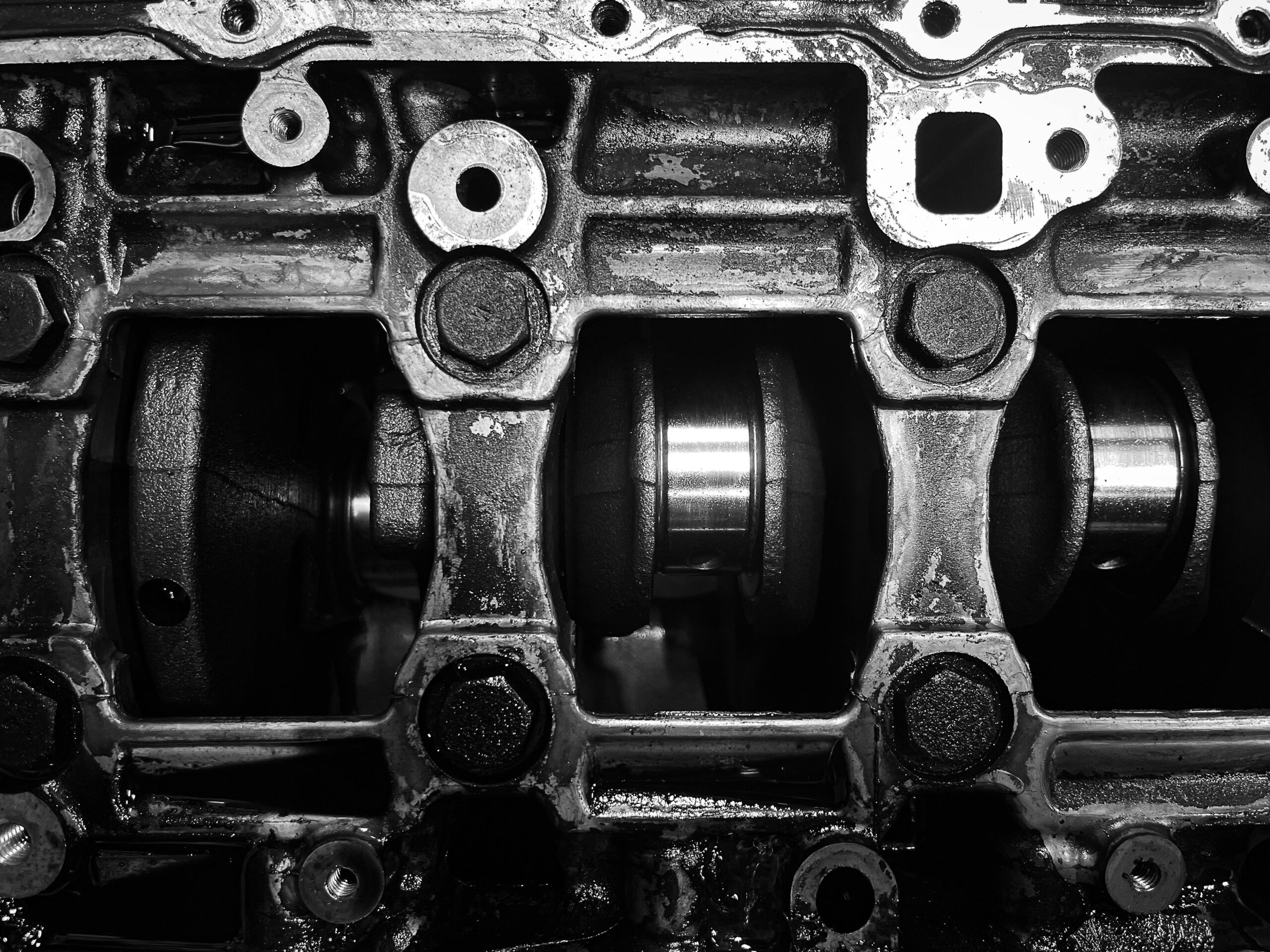
The crankshaft is a long, rotating metal shaft located at the bottom of an engine. It is directly connected to the pistons via connecting rods and serves as the critical link that transforms the reciprocating motion (the up-and-down motion of the pistons) into rotational motion (the spinning motion required to drive the vehicle or machine).
As the pistons move up and down within the cylinder during the combustion cycle, the crankshaft rotates in response to the force generated by the pistons’ movement. This rotational motion is then used to power the drivetrain and ultimately the wheels of a vehicle, or various machine components, depending on the application.
How Does the Crankshaft Work?
To understand how a crankshaft works, it’s essential to look at how it interacts with the pistons, connecting rods, and other engine components. The crankshaft is connected to the pistons through a series of connecting rods that transfer the linear motion of the pistons to the crankshaft’s rotational movement.
1. The Basic Motion
- As combustion takes place in the cylinders, the resulting explosion pushes the piston down, causing the connecting rod to push the crankshaft.
- The crankshaft’s design features crankpins or throws (off-center sections of the shaft) that allow the linear force from the piston to be converted into rotational force.
- Each piston is connected to its respective crankpin, so when the piston moves down during the power stroke, the crankshaft rotates.
2. Rotational Energy Transmission
- The crankshaft’s rotational motion is transmitted to the flywheel, which is bolted to one end of the crankshaft. The flywheel helps smooth out the engine’s power delivery by maintaining rotational momentum, especially when there are slight fluctuations in power output due to the engine’s firing cycles.
- From the flywheel, power is transferred to the clutch or torque converter, and ultimately, the power is transmitted to the transmission, which sends it to the wheels in a car or other mechanical components in a machine.
3. Balancing the Engine
- The crankshaft is also crucial for balancing the engine and minimizing vibrations. To ensure smooth operation, crankshafts are often counterweighted. This means that additional weights are added to certain points on the crankshaft to balance out the engine’s rotation, preventing vibrations that could otherwise damage engine components or cause an uncomfortable driving experience.
4. Crankshaft Timing and Synchronization
- The crankshaft is also involved in synchronizing the engine’s timing. It drives the timing gears or timing belt, which in turn controls the opening and closing of the valves. This ensures that the intake of air and fuel and the exhaust of gases happen at precisely the right times during the combustion cycle.
Materials and Design of a Crankshaft
Crankshafts are subjected to extreme forces and high stress levels, so they must be made from durable, high-strength materials that can handle the pressure of repeated combustion cycles. Common materials used for crankshafts include:
- Forged Steel: This is the most common material for crankshafts, especially in high-performance engines. Forged steel crankshafts are made by shaping solid metal using high pressure, making them strong and resistant to cracking or deformation.
- Cast Iron: In lower-performance engines, cast iron is often used due to its lower cost and adequate strength. Cast iron crankshafts are made by pouring molten iron into a mold and then cooling it to form the crankshaft.
- Alloy Steel: Some high-performance or racing engines use crankshafts made from specially treated alloy steel. These offer a good balance between strength and weight, and they are more resistant to wear and fatigue compared to standard steel.
The design of the crankshaft is also optimized for each type of engine. The key design elements include:
- Crankpins and Throws: These off-center sections of the crankshaft are what allow the pistons’ up-and-down motion to be transformed into rotary motion. The number and placement of these throws vary depending on the number of cylinders in the engine.
- Crankshaft Journals: These are the smooth, rounded sections of the crankshaft that sit inside the engine bearings and allow the crankshaft to rotate. Proper lubrication is essential to keep the journals running smoothly and reduce friction.
- Crankshaft Keyways and Timing Gears: These are used to connect the crankshaft to other components like the flywheel, timing gears, and balancer shafts, ensuring the engine operates in proper synchronization.
The Role of the Crankshaft in Engine Performance
The crankshaft’s design and construction are vital to the overall performance and efficiency of an engine. Its ability to efficiently convert the power from the pistons into rotational force affects multiple aspects of engine performance:
1. Power Output
- The crankshaft must be strong enough to handle the forces produced during combustion. If the crankshaft is too weak, it may fail under high stress, resulting in engine damage. A well-designed crankshaft optimizes power delivery to the drivetrain, ensuring efficient performance.
2. Smoothness and Vibration
- A well-balanced crankshaft helps minimize engine vibrations, which can cause discomfort for the driver and accelerate wear on engine components. The crankshaft’s counterweights ensure that the engine runs smoothly, even at high RPMs.
3. Durability and Longevity
- High-quality materials and manufacturing processes help ensure that the crankshaft can withstand the repeated stress of engine cycles. This contributes to the engine’s overall lifespan, reducing the risk of failure and the need for expensive repairs.
4. Efficiency and Fuel Economy
- A well-designed crankshaft helps the engine operate at peak efficiency, which improves fuel economy. If the crankshaft is not well-balanced or poorly made, it can result in inefficient power transfer, which reduces fuel efficiency.
Crankshaft Maintenance
Maintaining the crankshaft is crucial for the overall health of the engine. Some key maintenance tips include:
- Regular Oil Changes: The crankshaft’s bearings rely on clean oil to reduce friction and wear. Regular oil changes help maintain proper lubrication and ensure smooth operation.
- Engine Inspections: Over time, crankshafts can develop cracks or wear due to high-stress conditions. Regular inspections help detect problems early and prevent catastrophic engine failure.
- Avoiding Over-Reving the Engine: Revving the engine beyond its maximum RPM can put excessive stress on the crankshaft, leading to premature wear or damage.
Conclusion
The crankshaft is one of the most vital components in an internal combustion engine. By converting the up-and-down motion of the pistons into rotational motion, it ensures that the engine can produce the power needed to move a vehicle or operate machinery. The crankshaft’s design, materials, and balancing are crucial to an engine’s performance, smoothness, and efficiency.
Without a properly functioning crankshaft, the combustion power generated in the cylinders would be wasted, and the engine would not be able to perform its essential tasks. The crankshaft may not always be in the spotlight, but it is indeed the heart of the engine’s power transfer, making it indispensable to modern internal combustion technology.
https://www.pexels.com/photo/metal-mechanism-in-black-and-white-16077292/