Gearboxes (also known as transmissions) are crucial components in vehicles, responsible for transmitting power from the engine to the wheels while optimizing speed and torque. There are several types of gearboxes, each with unique features, advantages, and applications. Here’s an overview:
1. Manual Transmission (MT)
- How It Works:
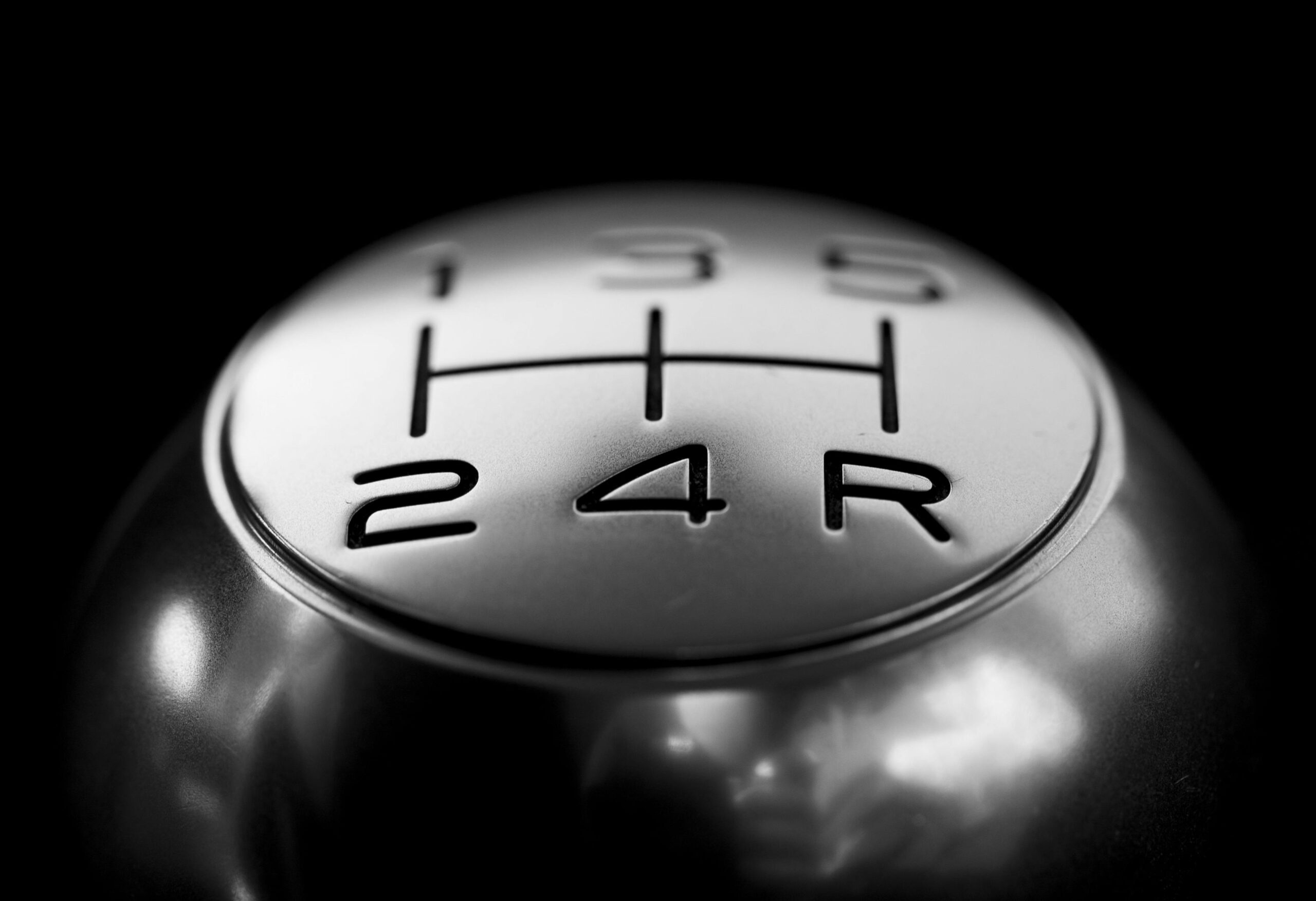
- Drivers manually select gears using a clutch pedal and gear stick.
- Features:
- Typically 4 to 6 gears (including reverse).
- Requires skill to operate (clutch control and shifting).
- Advantages:
- Greater control over the vehicle.
- Usually more fuel-efficient than older automatics.
- Cheaper to manufacture and repair.
- Examples:
- Common in sports cars and budget vehicles.
2. Automatic Transmission (AT)
- How It Works:
- Automatically changes gears using a hydraulic system and a torque converter.
- Features:
- No clutch pedal; shifting is automatic based on speed and throttle position.
- Advantages:
- Easier to drive, especially in stop-and-go traffic.
- Modern automatics can match or surpass manual transmissions in fuel efficiency.
- Examples:
- Found in most modern sedans, SUVs, and luxury vehicles.
3. Continuously Variable Transmission (CVT)
- How It Works:
- Uses a belt or chain running over pulleys to provide an infinite range of gear ratios.
- Features:
- Smooth acceleration without distinct gear changes.
- Advantages:
- Maximizes fuel efficiency.
- Simple design with fewer moving parts.
- Disadvantages:
- Can feel less engaging to drive (“rubber band” effect).
- May not handle high torque as well as other transmissions.
- Examples:
- Popular in hybrid vehicles and economy cars like the Toyota Prius.
4. Dual-Clutch Transmission (DCT)
- How It Works:
- Combines elements of manual and automatic transmissions, using two clutches for faster gear changes.
- Features:
- One clutch controls odd-numbered gears; the other controls even-numbered gears.
- Advantages:
- Very quick and smooth gear shifts.
- Excellent performance and efficiency.
- Disadvantages:
- More complex and expensive to repair.
- Examples:
- Found in performance-oriented cars (e.g., Volkswagen DSG, Porsche PDK).
5. Semi-Automatic Transmission (SAT)
- How It Works:
- Similar to a manual transmission but uses actuators to operate the clutch and shift gears.
- Features:
- Can operate in fully automatic mode or manual mode (using paddle shifters or a gear stick).
- Advantages:
- Combines ease of an automatic with the control of a manual.
- Disadvantages:
- Can feel less smooth than traditional automatics.
- Examples:
- Found in some high-performance vehicles and motorcycles.
6. Tiptronic Transmission
- How It Works:
- An automatic transmission that allows manual gear selection via paddles or a gear lever.
- Features:
- Operates in both automatic and manual modes.
- Advantages:
- Gives drivers more control without the need for a clutch pedal.
- Examples:
- Common in many sports and luxury cars, such as those from Audi or BMW.
7. Torque Converter Automatic
- How It Works:
- A type of automatic transmission using a torque converter to transfer engine power to the gearbox.
- Advantages:
- Smooth shifting and reliable performance.
- Disadvantages:
- Traditionally less fuel-efficient than manual or modern automatics.
- Examples:
- Found in older automatic cars and some trucks.
8. Electric Vehicle Transmission
- How It Works:
- Electric motors often don’t require multi-speed gearboxes due to their wide torque range.
- Features:
- Typically uses a single-speed transmission.
- Advantages:
- Simpler design, reduced weight, and lower maintenance.
- Examples:
- Found in electric cars like Tesla, Nissan Leaf, etc.
9. Automated Manual Transmission (AMT)
- How It Works:
- A manual gearbox with automated gear and clutch operation.
- Features:
- Uses an electronic control unit (ECU) to automate shifting and clutch operation.
- Advantages:
- Cheaper than a fully automatic transmission.
- More fuel-efficient than older automatics.
- Disadvantages:
- Gear changes can be slower and less smooth.
- Examples:
- Common in small, budget cars.
10. Performance-Specific Transmissions
- Sequential Gearbox:
- Common in race cars and motorcycles.
- Gears shift in a fixed sequence (e.g., 1-2-3-4) using a paddle or lever.
- Advantages:
- Extremely fast gear changes.
- High durability for performance conditions.
- Examples:
- Used in Formula 1 and other motorsports.
Each type of gearbox has its pros and cons, and the best choice often depends on driving style, vehicle purpose, and personal preference.
https://www.pexels.com/photo/close-up-photo-of-stainless-shift-knob-248539/