In an internal combustion engine, springs and lifters are integral parts of the valve train system, working together to ensure that the engine’s intake and exhaust valves operate smoothly and efficiently. These components play essential roles in controlling the timing, movement, and proper sealing of the valves, which is critical to the engine’s performance and longevity.
In this article, we will explore the function, types, and importance of springs and lifters in the engine’s valve mechanism.
1. Valve Springs: The Heart of Valve Control
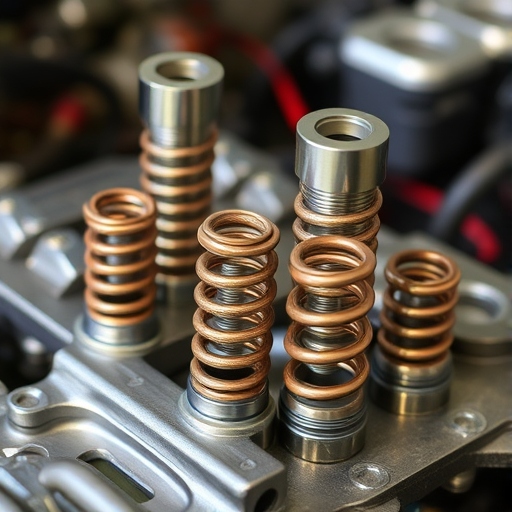
The valve springs are responsible for closing the intake and exhaust valves after they have been opened by the camshaft. These springs provide the necessary force to ensure the valves return to their seats, creating a tight seal and allowing the engine to maintain compression. Valve springs are essential for regulating the timing and performance of the engine’s valve system.
Functions of Valve Springs:
- Closing the Valve: After the camshaft opens the valve, the valve spring forces the valve back onto its seat, ensuring the combustion chamber remains sealed.
- Maintaining Valve Timing: The spring’s tension plays a role in controlling the speed at which the valve closes. Proper tension ensures that the valves close at the correct time, optimizing engine performance.
- Controlling Valve Lift: Valve springs also help maintain the correct amount of valve lift. If the spring tension is too weak or too strong, it can lead to erratic valve motion, poor combustion, or engine misfires.
- Preventing Valve Float: At higher RPMs, a weak spring or incorrect valve spring setup can cause the valve to “float,” meaning the valve does not return to its seat quickly enough, which can cause a loss of compression and performance. Valve springs prevent this by ensuring the valves close properly, even at high engine speeds.
Types of Valve Springs:
- Single Valve Springs: A single spring is used to return the valve to its seat. This is typically seen in most standard engines.
- Dual Valve Springs: Dual springs consist of two springs, one inside the other. This arrangement is used in high-performance engines to prevent valve float at high RPMs and provide more reliable control of the valve.
- Beehive Valve Springs: These have a tapered shape, resembling a beehive. Beehive springs reduce weight, which can help improve engine efficiency at high RPMs by allowing the valve to open and close faster. They are commonly used in racing and performance engines.
Common Issues with Valve Springs:
- Weak Springs: Over time, valve springs can lose their tension due to wear or fatigue. This can result in poor valve sealing, valve float, and loss of power.
- Broken Springs: A broken valve spring can cause catastrophic engine failure by preventing a valve from closing properly, leading to loss of compression and potential damage to other engine components.
- Incorrect Spring Pressure: If the spring pressure is too high or too low for the engine’s needs, it can negatively affect valve timing, engine efficiency, and even cause excessive wear on the camshaft or lifters.
2. Lifters: The Components That Control Valve Movement
The lifters, also known as cam followers, are responsible for transferring the motion from the camshaft to the engine’s valves. They are designed to maintain precise contact with the camshaft lobes, allowing them to follow the contours of the cam, which in turn opens and closes the valves at the correct intervals.
Functions of Lifters:
- Transfer Camshaft Motion: The lifters sit on the camshaft and are directly pressed by the cam lobes. The motion of the camshaft pushes the lifter up and down, which is transmitted to the valves through the push rods (in pushrod engines) or rocker arms (in overhead camshaft engines).
- Maintain Valve Timing: Lifters ensure that the opening and closing of the valves occur precisely according to the camshaft’s rotation. This helps maintain the engine’s optimal timing for intake, compression, power, and exhaust strokes.
- Provide Cushioning: In some engines, hydraulic lifters provide cushioning between the camshaft and valve train components. This helps absorb the impact and prevents excessive wear, ensuring smoother valve operation.
Types of Lifters:
- Solid Lifters: Solid lifters are made of a rigid material and do not have any internal mechanism to compensate for wear or clearance. They require periodic adjustment to maintain the correct valve clearance. Solid lifters provide more precise valve timing and are often used in performance engines due to their reliability at high RPMs.
- Hydraulic Lifters: Hydraulic lifters have a small hydraulic chamber inside that automatically adjusts for changes in valve clearance, eliminating the need for periodic adjustments. Hydraulic lifters are quieter and more forgiving in terms of clearance, making them common in modern street engines.
- Roller Lifters: Roller lifters are equipped with a small roller that makes contact with the camshaft lobe. This reduces friction, allowing for smoother operation, especially at higher RPMs. Roller lifters are often used in high-performance engines where minimizing friction and maximizing valve control are critical.
Common Issues with Lifters:
- Lifter Tick: A common problem in hydraulic lifters is a condition called “lifter tick,” where the lifter becomes noisy due to insufficient oil pressure or contamination. This can lead to poor valve operation and engine noise.
- Lifter Wear: Over time, lifters can wear down due to the constant pressure and motion exerted by the camshaft. Worn lifters can lead to poor valve timing, reduced engine performance, and potential damage to the camshaft or valves.
- Lifter Failures: In extreme cases, lifters can fail entirely, causing engine misfires, rough idling, or even catastrophic damage to the valve train. This is often caused by oil starvation, poor lubrication, or improper lifter installation.
3. Springs and Lifters in Engine Performance
Both valve springs and lifters are crucial for maintaining optimal engine performance. Together, they ensure that the valves operate at the correct timing, lift, and pressure, which is essential for efficient combustion and power generation.
Valve Springs in Performance Engines:
In high-performance engines, particularly those designed for racing or heavy-duty use, the springs and lifters are often upgraded to meet the demands of higher RPMs, more power, and better durability. For example:
- High-RPM Engines: To prevent valve float and ensure consistent valve operation at high engine speeds, performance engines typically use dual valve springs or high-tension springs.
- Hydraulic Lifters: In performance applications, roller lifters are often chosen because they reduce friction and improve engine speed and reliability.
Lifters in Performance Engines:
- Solid Lifters are preferred in racing and performance engines due to their ability to handle higher valve loads and maintain precise valve timing.
- Roller Lifters are a popular choice in performance engines as they reduce friction and allow for faster valve response, which is critical in high-performance scenarios.
Conclusion
Valve springs and lifters are integral parts of the engine’s valve train system, each playing a vital role in ensuring the valves operate correctly during the engine cycle. Valve springs are responsible for closing the valves and maintaining valve timing, while lifters transfer the camshaft’s motion to the valves and help regulate valve clearance. Together, these components ensure smooth engine operation, optimize performance, and prevent excessive wear.
Regular maintenance and timely replacement of worn or damaged valve springs and lifters are essential for maintaining engine health and avoiding costly repairs. Whether in a standard passenger vehicle or a high-performance race car, these components are key to achieving optimal engine performance and longevity.