The throttle body is a crucial component in an internal combustion engine’s air intake system. It plays a vital role in regulating the flow of air into the engine, controlling the engine’s speed, and maintaining proper fuel-to-air mixture for efficient combustion. In this article, we will explore the function, design, importance, and common issues associated with the throttle body.
What is a Throttle Body?
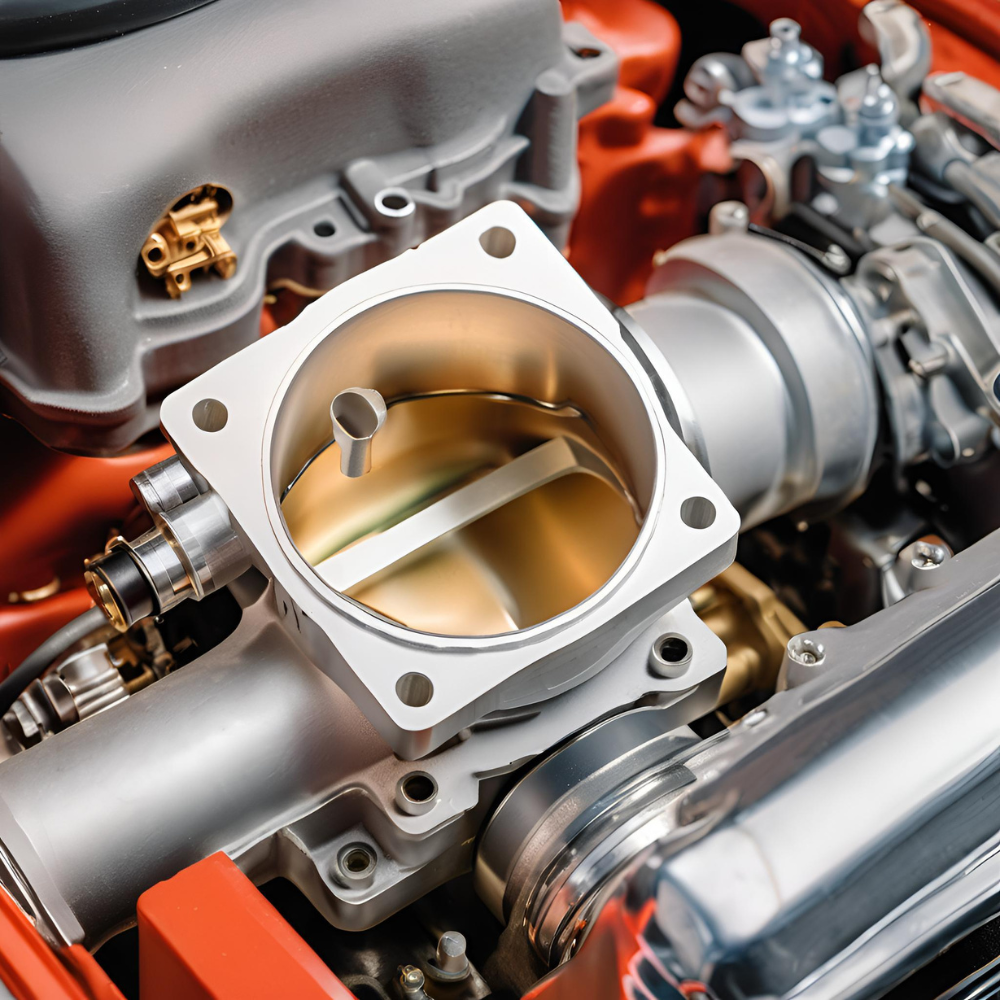
The throttle body is a critical part of the air intake system, typically located between the air filter and the intake manifold. It is a valve that regulates the amount of air entering the engine based on the position of the accelerator pedal. When the driver presses the accelerator, the throttle body opens wider, allowing more air to flow into the engine. Conversely, when the accelerator is released, the throttle body closes, reducing the airflow.
In modern vehicles, the throttle body is often electronically controlled through a system known as drive-by-wire, replacing the traditional mechanical link between the accelerator pedal and the throttle body with an electronic signal.
Key Functions of the Throttle Body
- Regulating Airflow into the Engine
- The primary function of the throttle body is to control the amount of air entering the engine’s intake manifold. The amount of air dictates the engine’s air-fuel ratio, which is crucial for combustion.
- When the accelerator pedal is pressed, the throttle body opens, allowing more air to enter the engine. The engine control unit (ECU) then adjusts the amount of fuel being injected into the combustion chamber to maintain the optimal air-fuel ratio.
- When the accelerator is released, the throttle body closes, reducing the airflow and, in turn, reducing the amount of fuel being injected into the engine.
- Controlling Engine Speed
- The throttle body is directly linked to the idle speed control valve. This valve regulates the amount of air entering the engine when the accelerator is not pressed, ensuring the engine idles smoothly. If the idle control valve fails or becomes clogged, it can lead to rough idling or stalling.
- The throttle body helps maintain a consistent idle speed, which is essential for stable engine operation, especially at low RPMs.
- Ensuring Proper Air-Fuel Mixture
- The throttle body is integral in achieving the correct air-fuel mixture for combustion. By regulating the air intake, the throttle body works in conjunction with the fuel injectors to provide the right amount of fuel for the air entering the engine. This precise balance is vital for engine efficiency, performance, and emissions control.
- Throttle Position Sensor (TPS) Integration
- Modern throttle bodies are equipped with a throttle position sensor (TPS) that monitors the position of the throttle plate (the valve inside the throttle body). This sensor sends signals to the ECU, which interprets the throttle input to adjust fuel injection, ignition timing, and other parameters for optimal engine performance.
How the Throttle Body Works
The operation of the throttle body is relatively straightforward, yet essential for maintaining engine performance. Here’s how it works:
- Air Intake: When the vehicle’s engine is running, air is drawn in from the environment through the air filter, where it enters the throttle body.
- Throttle Plate: Inside the throttle body is a throttle plate, a valve that opens and closes to regulate the airflow. The position of this plate is controlled either by a mechanical link to the accelerator pedal or electronically via the drive-by-wire system.
- Regulating Airflow: As the throttle plate opens, more air is allowed to flow into the intake manifold. The throttle body’s position is directly linked to how much air is entering the engine. This allows the ECU to make adjustments to the fuel injectors to match the air intake.
- Feedback Mechanism: The throttle position sensor sends data to the engine control unit, helping the ECU make real-time adjustments to fuel injection, air-fuel mixture, and other engine parameters.
- Idle Control: When the accelerator is not pressed, the throttle body allows a controlled amount of air to enter through an idle air control valve, which helps the engine idle at a steady speed.
Types of Throttle Bodies
- Single Throttle Body:
- In older engines or engines with smaller displacement, a single throttle body controls the airflow for all cylinders. This type is simpler but still effective in regulating airflow to the engine.
- Multiple Throttle Bodies:
- In high-performance or multi-cylinder engines, multiple throttle bodies may be used to increase airflow and optimize performance. Each throttle body is connected to a separate intake manifold runner, allowing for more precise control of airflow into each cylinder.
- This type is commonly found in race cars or high-performance sports cars where maximizing airflow and engine responsiveness is critical.
- Electronic Throttle Body (Drive-by-Wire):
- Most modern vehicles now use an electronic throttle body that is controlled by the vehicle’s ECU rather than a mechanical cable. This system, known as drive-by-wire, allows for more precise control of the throttle and enhances the overall responsiveness of the engine.
- The throttle plate is controlled by an electric motor rather than a traditional mechanical linkage, offering smoother throttle response and the ability for the ECU to optimize throttle input for better fuel efficiency and performance.
Components of a Throttle Body
- Throttle Plate: A valve inside the throttle body that opens and closes to regulate the amount of air entering the engine.
- Throttle Position Sensor (TPS): A sensor that monitors the position of the throttle plate and sends this data to the ECU to adjust fuel and air mixture.
- Idle Air Control Valve (IAC): A valve that regulates the air entering the engine at idle speed, ensuring the engine doesn’t stall when the accelerator is not pressed.
- Bypass Valve: In some throttle bodies, a bypass valve allows a small amount of air to flow through the throttle body when the throttle plate is closed, which helps maintain idle speed.
- Electric Motor (in electronic throttle bodies): The electric motor controls the position of the throttle plate in drive-by-wire systems.
- Gasket/Seal: The throttle body is sealed with a gasket to prevent air leaks, which could disrupt the air-fuel mixture and reduce engine performance.
Common Issues with Throttle Bodies
- Throttle Body Clogging:
- Over time, carbon buildup and dirt can accumulate on the throttle plate and inside the throttle body, affecting its ability to regulate airflow properly. This can lead to rough idling, poor acceleration, or hesitation when pressing the accelerator.
- Regular cleaning of the throttle body can help maintain proper airflow and performance.
- Throttle Position Sensor Failure:
- A malfunctioning throttle position sensor can lead to incorrect readings being sent to the ECU, causing poor throttle response, erratic idling, or engine hesitation. This may also trigger a check engine light.
- Replacing a faulty TPS is usually necessary to restore proper engine function.
- Idle Air Control Valve (IAC) Failure:
- If the idle air control valve malfunctions, the engine may struggle to maintain a consistent idle speed, causing stalling, rough idling, or high idle speeds. Cleaning or replacing the IAC valve can resolve these issues.
- Throttle Body Malfunction (Electronic):
- In electronic throttle bodies, an issue with the electric motor, sensors, or wiring could lead to a loss of throttle control, poor engine performance, or a failure to accelerate smoothly.
- Diagnosing and fixing electronic throttle body issues often requires specialized diagnostic tools and may involve replacing faulty components.
- Air Leaks:
- Leaks in the throttle body gasket or housing can cause unmetered air to enter the intake system, leading to engine performance issues like rough idling, surging, or misfires.
Conclusion
The throttle body is an essential component of an internal combustion engine that regulates the flow of air into the engine, controlling engine speed and ensuring the correct air-fuel mixture for optimal combustion. Whether it’s a traditional mechanical throttle body or a modern drive-by-wire electronic system, this component plays a vital role in maintaining smooth and responsive engine operation. Regular maintenance, including cleaning and inspecting the throttle body, can prevent common issues and ensure that the engine continues to perform at its best.