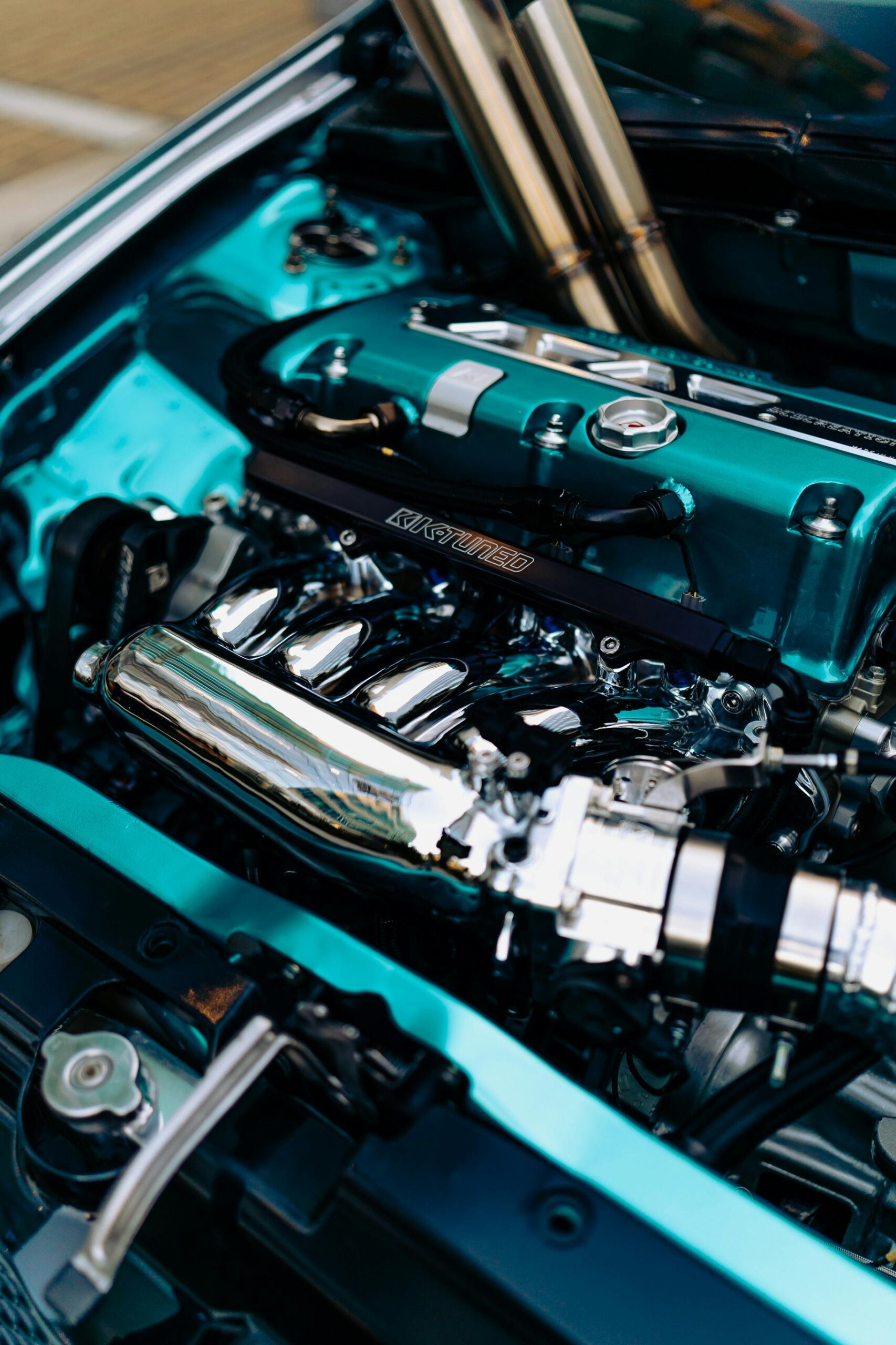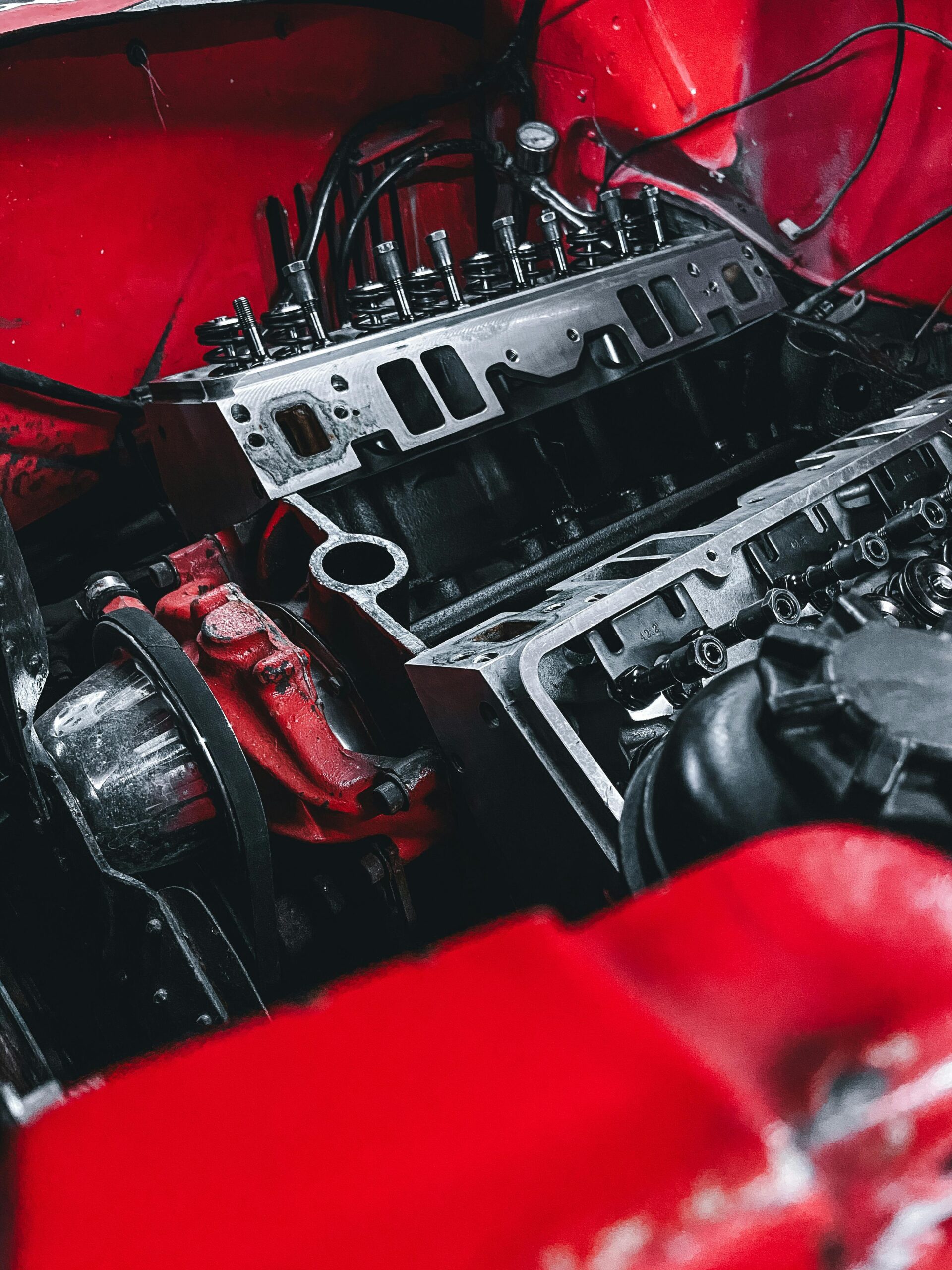
The cylinder head is a crucial part of an internal combustion engine, sitting on top of the engine block and playing a vital role in the engine’s performance and efficiency. It serves as the cover for the cylinders and houses several key engine components, including the intake and exhaust valves, spark plugs, and fuel injectors (in some cases). The cylinder head is responsible for directing the flow of air and fuel into the combustion chamber, while also allowing exhaust gases to exit.
In this article, we will explore the function, structure, and significance of the cylinder head in the operation of internal combustion engines.
What Is a Cylinder Head?
The cylinder head is a solid metal component that sits atop the engine block, covering the top of the cylinders. It is typically made from materials like aluminum or cast iron due to their strength and heat resistance. The cylinder head is integral to the combustion process, as it contains multiple vital components for intake, exhaust, and combustion operations.
It also provides a sealing surface for the gaskets that prevent coolant and oil from leaking into the combustion chamber or each other, ensuring that the engine operates smoothly.
Functions of the Cylinder Head
The cylinder head performs several key functions within the engine:
1. Housing for the Valves
- The intake valves and exhaust valves are housed in the cylinder head. The intake valves allow the air-fuel mixture to enter the combustion chamber, while the exhaust valves release the exhaust gases after combustion.
- These valves are controlled by the camshaft and timing mechanism, ensuring that they open and close at the correct intervals during each engine cycle.
2. Passageways for Air and Fuel
- The cylinder head contains intricate passageways or ports that direct the flow of the air-fuel mixture into the combustion chamber (intake ports) and allow the exhaust gases to exit (exhaust ports).
- The shape and design of these ports significantly affect the engine’s efficiency and performance, as smooth, well-designed passageways allow for better airflow, which can improve power and fuel efficiency.
3. Spark Plug and Fuel Injector Housing
- In gasoline engines, the spark plugs are installed in the cylinder head. The spark plugs are responsible for igniting the air-fuel mixture inside the combustion chamber, initiating the combustion process.
- In some modern engines, the cylinder head may also house fuel injectors, which inject fuel directly into the combustion chamber (in direct injection systems).
4. Coolant and Oil Channels
- The cylinder head contains channels for coolant and oil to flow through. The coolant helps regulate the temperature of the engine by dissipating heat, while oil lubricates moving parts, reducing friction and preventing overheating.
- These channels are designed to keep the engine running at optimal temperatures and prevent excessive heat buildup, which could cause engine failure.
5. Compression Seal
- The cylinder head plays a crucial role in maintaining the engine’s compression. The head gasket forms a seal between the cylinder head and the engine block, ensuring that the air-fuel mixture remains sealed within the combustion chamber during compression and ignition.
- A well-sealed cylinder head is critical for maintaining engine efficiency and preventing leaks of exhaust gases or oil.
Parts Found in the Cylinder Head
Several critical components are housed within the cylinder head, and their proper functioning is vital to the engine’s overall performance. These include:
1. Valves
- Intake Valves: These allow the air-fuel mixture to enter the combustion chamber during the intake stroke.
- Exhaust Valves: These allow exhaust gases to exit the combustion chamber after combustion during the exhaust stroke.
2. Valve Seats and Guides
- Valve Seats: These provide a durable and tight seal between the valve and the cylinder head. The seats must be carefully machined to ensure optimal sealing.
- Valve Guides: These are the passages through which the valves move up and down. They help maintain the precise movement of the valves and prevent wobbling.
3. Camshaft
- In engines with overhead cam (OHC) or double overhead cam (DOHC) configurations, the camshaft(s) are typically mounted in the cylinder head. The camshaft controls the opening and closing of the intake and exhaust valves.
4. Springs and Lifters
- Valve Springs: These springs are used to close the intake and exhaust valves after they open. They provide the necessary force to push the valves back into their seats.
- Lifters (or Rockers): These components transfer the camshaft’s motion to the valves, allowing the valves to open and close.
5. Timing Mechanism
- The cylinder head may house a portion of the timing chain or timing belt that connects the crankshaft to the camshaft(s). This timing mechanism ensures that the valves open and close at the correct time during each engine cycle.
6. Cylinder Head Bolts
- Cylinder head bolts are used to secure the cylinder head to the engine block. These bolts must be torqued to precise specifications to ensure that the head remains securely attached, preventing leaks of gases, coolant, or oil.
Cylinder Head Materials
The materials used to manufacture the cylinder head play a significant role in the engine’s performance, heat resistance, and weight. The most common materials used for cylinder heads are:
1. Aluminum
- Aluminum is the most widely used material for cylinder heads due to its light weight, good heat dissipation, and corrosion resistance. Aluminum heads are also easier to machine and offer excellent overall performance.
- Aluminum alloy is often used in high-performance and modern engines, as it combines strength and light weight, making it ideal for reducing engine weight and improving fuel efficiency.
2. Cast Iron
- Cast iron is another material used for cylinder heads, particularly in older or heavy-duty engines. Cast iron is known for its strength, durability, and resistance to heat. However, it is heavier than aluminum and may not be used in modern high-performance vehicles due to its added weight.
3. Composite Materials
- In some specialized engines, composite materials such as ceramics or carbon composites are used in cylinder head construction. These materials are typically used in high-performance applications due to their excellent thermal properties and weight-saving benefits.
Cylinder Head Design and Performance
The design of the cylinder head significantly influences engine performance. Key aspects of cylinder head design include:
1. Port Design
- The port configuration (how the intake and exhaust ports are arranged) plays a major role in the engine’s breathing ability and overall efficiency. Well-designed ports can improve the flow of the air-fuel mixture into the combustion chamber and exhaust gases out, resulting in better engine performance.
2. Combustion Chamber Shape
- The shape and size of the combustion chamber affect the engine’s efficiency, fuel consumption, and power output. For example, a compact, efficient combustion chamber can improve fuel efficiency and reduce emissions. The design of the combustion chamber also influences the compression ratio, which directly impacts power and performance.
3. Valve Configuration
- The arrangement of valves (e.g., single overhead cam (SOHC), double overhead cam (DOHC), or pushrod valve systems) can affect valve timing and how efficiently the engine breathes. More advanced configurations like DOHC allow for more precise control of the intake and exhaust valves, leading to higher performance.
Common Problems with Cylinder Heads
Despite being a highly durable component, the cylinder head can suffer from various issues that can affect engine performance:
1. Blown Head Gasket
- A blown head gasket is a common issue in which the gasket between the cylinder head and engine block fails. This can result in leaks of coolant or oil into the combustion chamber, causing overheating, loss of power, and engine damage.
2. Cracks or Warping
- The cylinder head can become cracked or warped due to excessive heat or improper tightening of bolts. These issues can cause coolant or oil leaks, loss of compression, and other engine performance problems.
3. Valve Damage
- Over time, valves can become worn, bent, or damaged, leading to poor sealing and misfires. This can reduce engine efficiency and cause engine misfiring, poor acceleration, and rough idling.
4. Carbon Deposits
- Carbon deposits from combustion can build up in the cylinder head, particularly on the valves and valve seats. This can disrupt the flow of air and fuel, leading to reduced engine performance and potential misfires.
Conclusion
The cylinder head is a crucial component of an internal combustion engine, playing a vital role in the intake, combustion, and exhaust processes. It houses key components such as valves, spark plugs, and fuel injectors, and its design significantly impacts engine performance, fuel efficiency, and emissions. Ensuring that the cylinder head is properly maintained and free from defects is essential for the engine to operate smoothly.
Regular inspections and maintenance can help prevent issues like head gasket failure, cracks, or valve damage, allowing for better engine performance and longevity. Understanding the importance of the cylinder head can help car owners and mechanics make informed decisions about engine repair and upkeep, ensuring optimal engine function and reliability.
https://www.pexels.com/photo/black-and-red-engine-bay-6154893/