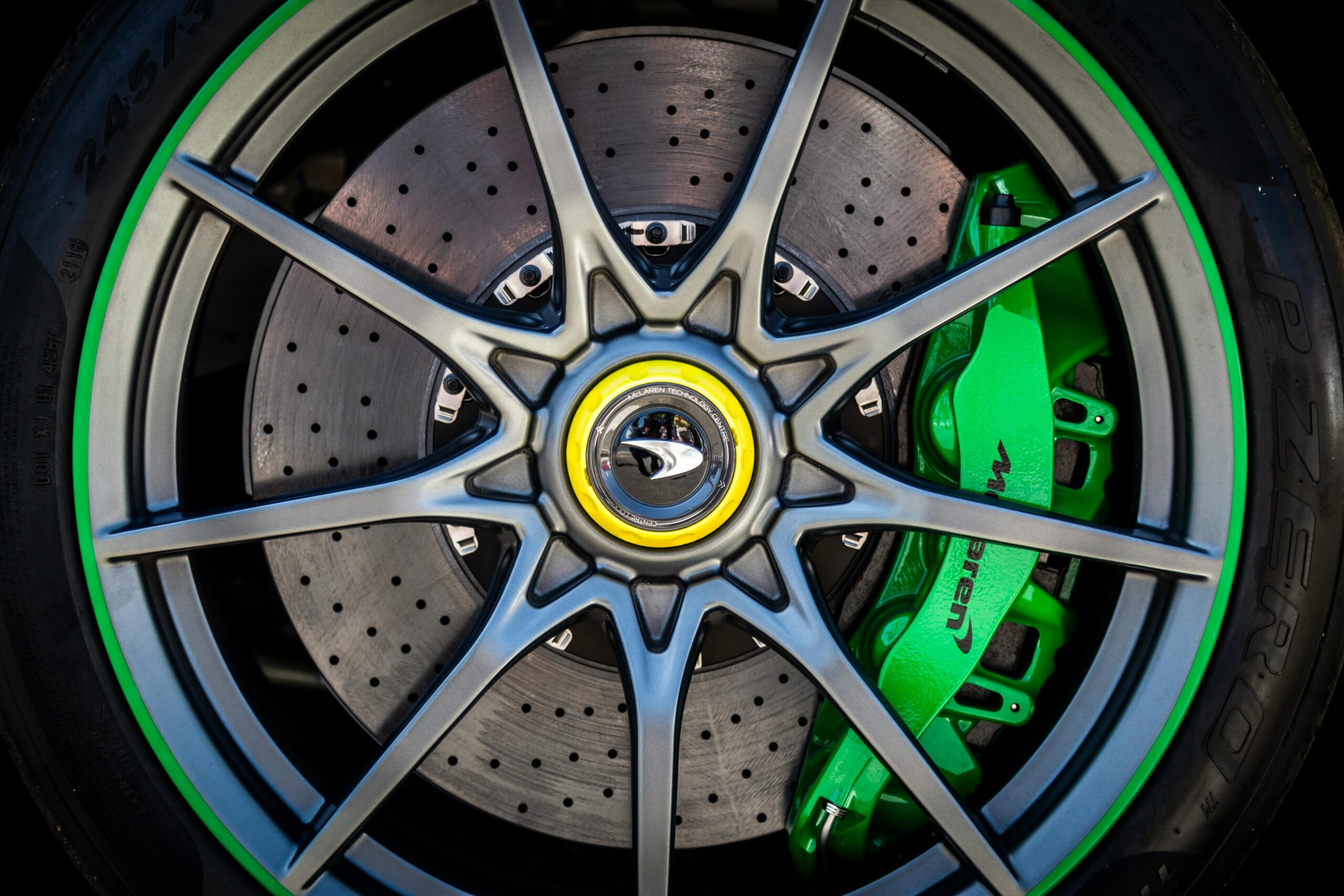
The piston brake system is a crucial component of a vehicle’s braking mechanism, primarily found in disc brakes. This system uses pistons to apply force to brake pads, which then clamp onto the brake rotor to slow or stop the vehicle. Pistons play a pivotal role in converting hydraulic pressure from the brake fluid into mechanical force.
How the Piston Brake System Works
- Pressing the Brake Pedal:
- When the driver presses the brake pedal, it activates the master cylinder, which pressurizes the brake fluid.
- Hydraulic Pressure Transmission:
- The pressurized brake fluid travels through brake lines to the brake caliper.
- Piston Movement:
- Hydraulic pressure forces the piston(s) in the caliper to extend outward.
- Pad Engagement:
- The pistons push the brake pads against the rotating brake rotor, generating friction.
- Stopping the Vehicle:
- The friction between the brake pads and rotor slows down the rotation of the wheels, stopping the vehicle.
- Piston Retraction:
- When the brake pedal is released, the hydraulic pressure drops, and the pistons retract slightly, allowing the pads to disengage from the rotor.
Types of Piston Brake Systems
- Single-Piston Caliper:
- Contains one piston that presses the brake pad against the rotor.
- Common in economy cars and light-duty vehicles.
- Advantages:
- Simple and cost-effective.
- Easy to maintain.
- Disadvantages:
- Less braking force compared to multi-piston systems.
- Dual-Piston Caliper:
- Features two pistons, one on each side of the rotor or both on the same side.
- Common in mid-range and high-performance vehicles.
- Advantages:
- More even pressure distribution.
- Improved braking power.
- Disadvantages:
- Slightly more complex and expensive.
- Multi-Piston Calipers (e.g., 4-piston, 6-piston, or 8-piston):
- Have multiple pistons, usually arranged symmetrically on both sides of the rotor.
- Found in high-performance and luxury vehicles.
- Advantages:
- Superior braking power and heat dissipation.
- Even pad wear.
- Disadvantages:
- Expensive and requires more maintenance.
Advantages of Piston Brake Systems
- Efficient Force Conversion:
- Converts hydraulic pressure into strong mechanical force.
- Quick Response:
- Pistons respond immediately to hydraulic pressure, ensuring quick braking action.
- Even Pad Pressure:
- Multi-piston systems distribute pressure evenly, reducing rotor wear.
- Enhanced Heat Management:
- Multi-piston systems dissipate heat more effectively, reducing brake fade.
- Versatility:
- Suitable for a wide range of vehicles, from economy cars to high-performance models.
Disadvantages of Piston Brake Systems
- Complexity in Multi-Piston Systems:
- More components increase complexity and potential maintenance needs.
- Cost:
- High-performance piston systems, especially multi-piston setups, are expensive.
- Brake Fluid Dependency:
- Contaminated or insufficient brake fluid can reduce performance.
- Maintenance:
- Requires regular inspection and replacement of seals to prevent leaks.
Common Materials for Brake Pistons
- Steel:
- Durable and cost-effective.
- Found in standard vehicles.
- Disadvantage: Heavier than alternatives.
- Aluminum:
- Lightweight and corrosion-resistant.
- Used in performance vehicles.
- Disadvantage: Less durable than steel under extreme conditions.
- Phenolic (Composite Material):
- Lightweight, resistant to heat, and corrosion-free.
- Found in economy and mid-range vehicles.
- Disadvantage: Less common in high-performance applications.
Signs of Piston Brake System Problems
- Uneven Pad Wear:
- Indicates stuck or misaligned pistons.
- Spongy Brake Pedal:
- Could be due to air in the brake lines or piston seal issues.
- Leaking Brake Fluid:
- A sign of worn or damaged piston seals.
- Reduced Braking Power:
- May result from piston malfunction or corroded components.
- Noisy Braking:
- Sticking pistons can cause pads to remain in contact with the rotor.
Maintaining the Piston Brake System
- Regular Inspection:
- Check pistons and calipers for wear, corrosion, and seal condition.
- Brake Fluid Maintenance:
- Replace brake fluid as per manufacturer recommendations to avoid contamination.
- Seal Replacement:
- Replace piston seals periodically to prevent fluid leaks and maintain hydraulic pressure.
- Caliper Cleaning:
- Clean pistons and calipers to prevent debris buildup and ensure smooth operation.
- Brake Pad and Rotor Inspection:
- Ensure pads and rotors are in good condition to complement piston performance.
Upgrading the Piston Brake System
- Single to Multi-Piston Calipers:
- Upgrading to multi-piston systems enhances braking power and heat management.
- High-Performance Pads and Rotors:
- Combine with multi-piston calipers for optimal results.
- Steel Braided Brake Lines:
- Reduce brake line flex and improve hydraulic pressure transmission.
- Ceramic or Carbon Pistons:
- Lightweight and resistant to extreme heat, suitable for high-performance applications.
Applications of Piston Brake Systems
- Passenger Cars:
- Single or dual-piston systems for daily driving.
- Performance Vehicles:
- Multi-piston systems for enhanced stopping power and durability.
- Motorcycles:
- Single or dual-piston systems tailored to lightweight design and quick braking response.
- Heavy-Duty Vehicles:
- Larger multi-piston calipers to handle high loads and stress.
Conclusion
The piston brake system is a critical part of modern braking technology, offering precise and efficient control over vehicle stopping. From single-piston calipers in economy cars to advanced multi-piston systems in performance vehicles, the design and materials of these systems ensure safety and adaptability for various applications. Proper maintenance and timely upgrades can maximize the efficiency and longevity of this essential system.
https://www.pexels.com/photo/close-up-view-of-a-luxury-car-wheel-and-brake-29964443/