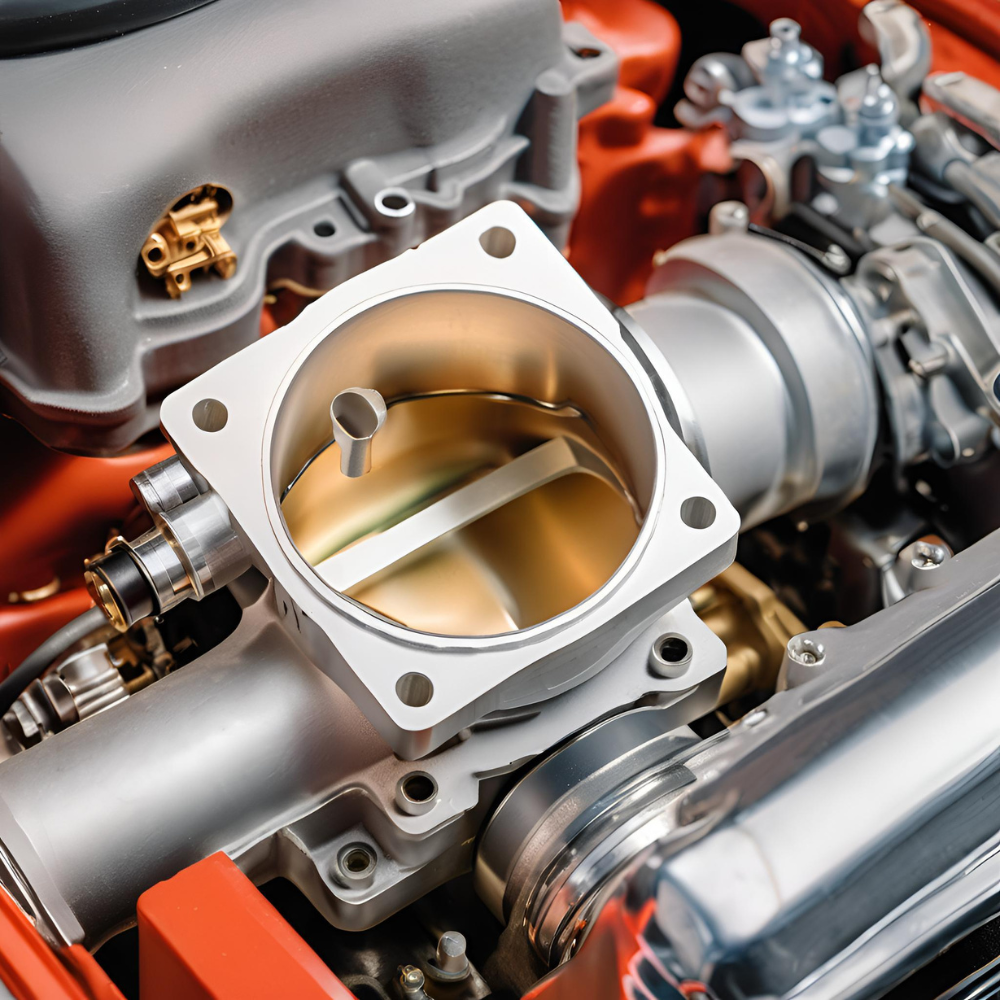
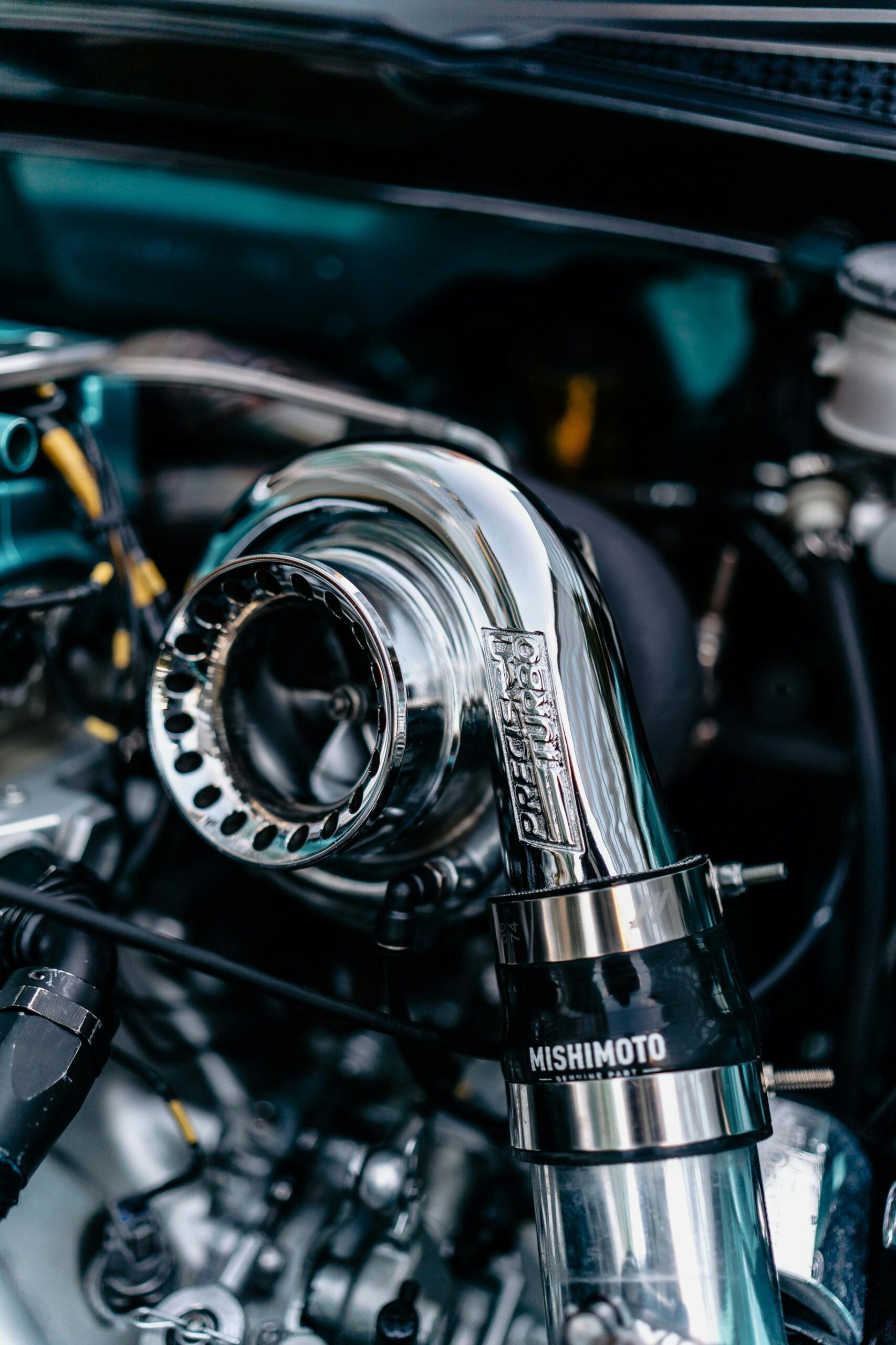
The SEMA Show (Specialty Equipment Market Association) is an annual trade event held in Las Vegas, USA, primarily showcasing aftermarket automotive parts, accessories, tools, and tuning products. It is one of the largest automotive trade shows in the world, attracting manufacturers, dealers, distributors, and automotive enthusiasts from all over the globe.
Key details about the SEMA Show include:
1. Location and Timing:
- Venue: Las Vegas Convention Center
- Dates: Typically held in the first week of November, lasting around 4 days.
2. Audience:
- Industry professionals such as manufacturers, retailers, and car enthusiasts.
- It’s a B2B (business-to-business) event, meaning it’s not open to the general public. However, attendees can include media professionals, buyers, and sellers in the automotive aftermarket industry.
3. Exhibits and Products:
- The show features custom cars, tuning products, performance parts, off-road equipment, tools, and vehicle accessories. It’s a hub for introducing new technologies, product innovations, and aftermarket trends.
- Categories covered at the show include automotive electronics, custom car parts, performance upgrades, and vehicle accessories for both passenger and commercial vehicles.
4. Networking and Events:
- SEMA provides a platform for networking through various events, including seminars, workshops, and meetups for businesses to connect and collaborate.
- There are also car shows and live demonstrations throughout the event.
5. Global Participation:
- The SEMA Show attracts participants from around the world, making it a key platform for companies to showcase their products to an international market.
6. Innovation and Trends:
- As an industry-focused event, SEMA often sets the stage for the latest trends in automotive aftermarket customization, electrification, and performance enhancements.
Would you like more information on specific aspects of the SEMA Show or perhaps details about a particular year?
History of the SEMA Show:
The SEMA Show has a rich history that reflects the growth and evolution of the automotive aftermarket industry. Here’s an overview of its origins and development:
Origins and Founding:
- 1963: Foundation of SEMA – The Specialty Equipment Market Association (SEMA) was founded in 1963 in the United States. It was established by a group of automotive professionals who were passionate about aftermarket parts, accessories, and tuning. This group saw an opportunity to create an organization to support and represent businesses involved in the automotive aftermarket sector.
- 1967: The First SEMA Show – The first SEMA Show took place in 1967 in the Los Angeles, California area. Initially, the event was a relatively small gathering designed to bring together manufacturers, retailers, and distributors of automotive parts and accessories. The inaugural show had just 100 exhibitors and was primarily focused on showing off new automotive parts and products.
Growth and Evolution:
- 1970s – Early Growth: Over the next few years, the SEMA Show grew in size, attracting more exhibitors and attendees. The event began to attract a broader audience, including car enthusiasts, media, and industry professionals. The 1970s saw the rise of customization and performance parts, particularly with the popularity of muscle cars and sports cars in the U.S.
- 1980s – Expanding to Las Vegas: By the mid-1980s, the SEMA Show was becoming one of the largest automotive trade shows in the U.S. As its popularity grew, the event moved to Las Vegas in 1987 to accommodate the increasing number of exhibitors and attendees. Las Vegas proved to be an ideal location due to its large convention spaces, central location, and ability to handle large crowds. The Las Vegas Convention Center became the new home for the show.
- 1990s – Increased Innovation and Internationalization: The 1990s marked a period of rapid innovation in the automotive aftermarket industry. New technologies, such as advanced engine components, suspension systems, and automotive electronics, started to become more prevalent at the SEMA Show. This decade also saw increasing international participation, with manufacturers from around the world attending to showcase their products.
2000s and Beyond – A Global Phenomenon:
- 2000s – Broadening Horizons: The SEMA Show continued to grow, attracting exhibitors not only from the U.S. but from many countries. The event began to expand into new areas such as off-road products, electric vehicle accessories, and environmentally friendly innovations in response to shifting market trends and consumer demands.
- 2010s – A Focus on Technology and Sustainability: With the rise of electric vehicles (EVs) and hybrid technologies, SEMA began to focus more on the role of aftermarket parts in the world of sustainable automotive solutions. The 2010s also saw greater emphasis on automotive technology, such as connected vehicle systems, performance chips, and 3D printing for custom parts.
- 2020s – Digital and Virtual Integration: In response to the COVID-19 pandemic, the 2020 SEMA Show was held virtually for the first time, with digital platforms allowing exhibitors and attendees to connect online. Despite this, the 2021 and 2022 events returned to a physical format with new health and safety protocols. The 2020s also continued the trend of advanced automotive technology, with a strong focus on electrification, autonomous vehicle systems, and sustainability.
Notable Aspects of SEMA Show’s Legacy:
- Introduction of Iconic Vehicles: Over the years, many iconic and custom-built vehicles have been unveiled at the SEMA Show. These vehicles often serve as showcases for new aftermarket products and designs.
- Growth of the Custom Car Culture: The SEMA Show played a key role in the rise of the custom car culture in the United States and around the world. The event became a platform for showcasing the creativity and innovation of automotive enthusiasts, tuners, and designers.
- Diverse Product Categories: The show has expanded far beyond just performance parts. Today, it covers a wide range of categories, including off-road products, performance electronics, tools and equipment, tires, wheels, body kits, and even vehicle wraps.
Key Milestones in SEMA Show History:
- 1963: The founding of SEMA by automotive industry professionals.
- 1967: The first SEMA Show, held in Los Angeles.
- 1987: The move to Las Vegas to accommodate growing attendance.
- 1990s: The SEMA Show becomes a global event, attracting international exhibitors.
- 2020: The SEMA Show is held virtually due to the COVID-19 pandemic.
- 2021 & 2022: Physical events return with updated health and safety protocols.
Today:
The SEMA Show remains one of the most important events in the automotive industry, bringing together professionals, enthusiasts, and companies from around the world to showcase new products, share knowledge, and network. The event represents the continued evolution of the aftermarket industry, with an increasing focus on technology, sustainability, and the future of automotive customization.
Would you like to know more about any particular aspect of the SEMA Show’s history or its current developments?