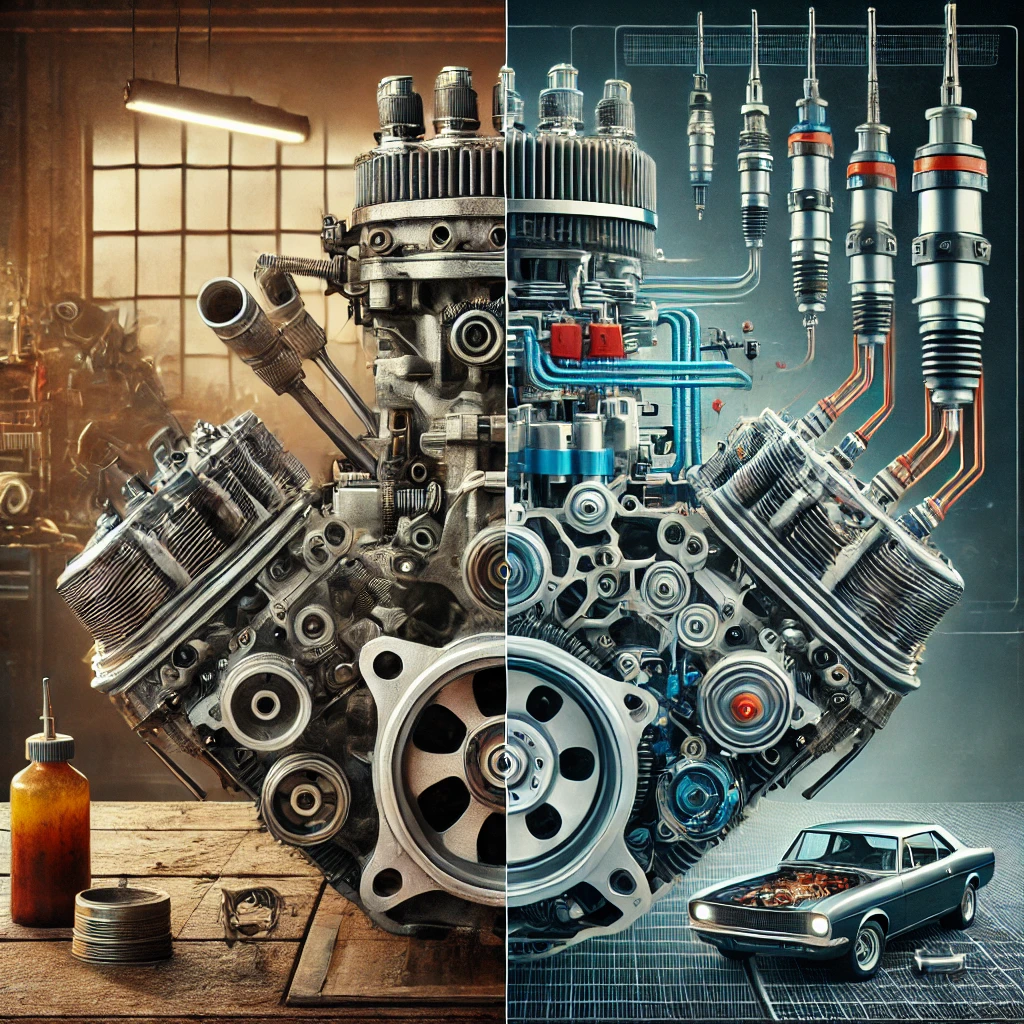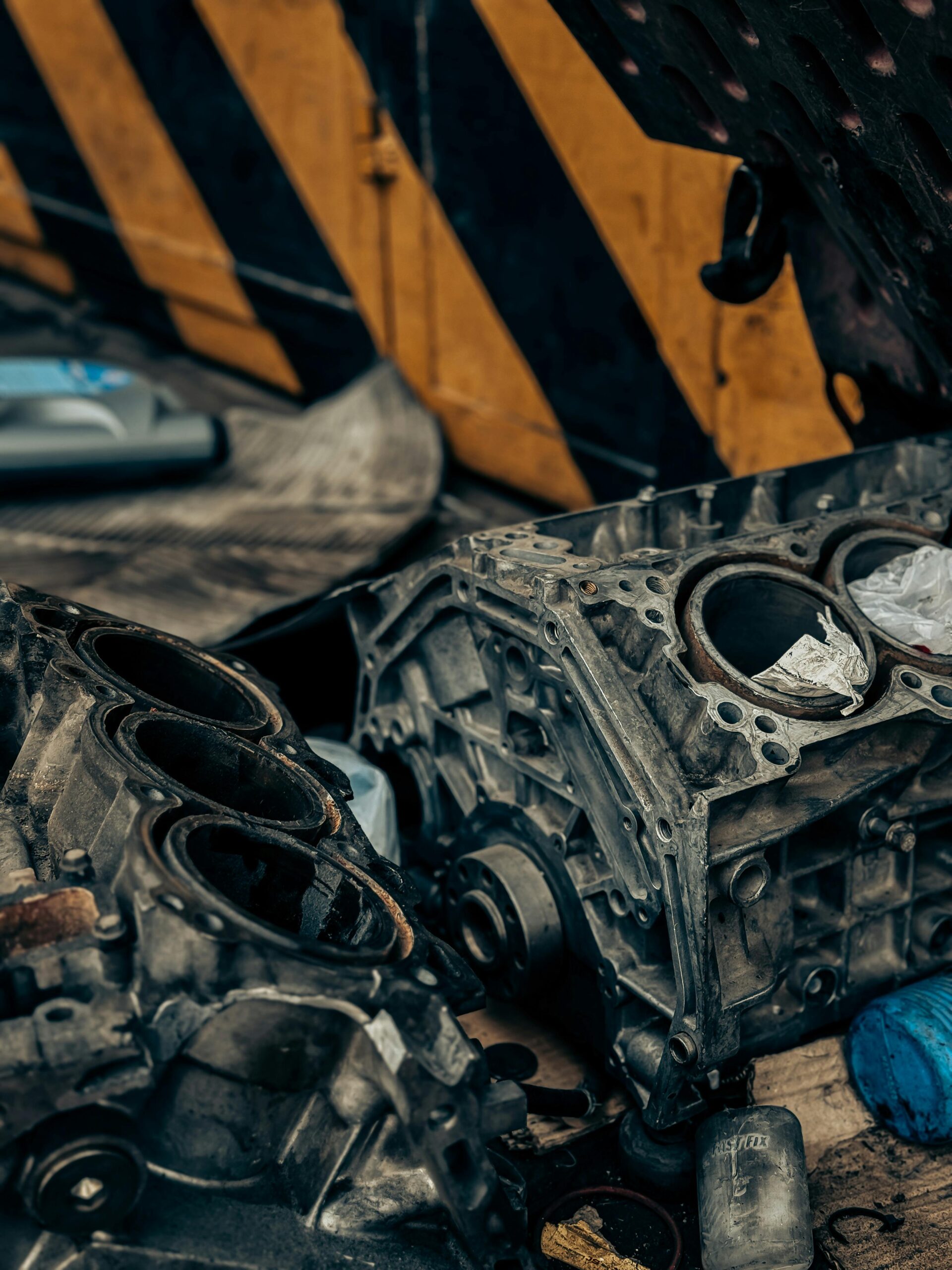
Engine block machining is a critical step in improving engine performance and reliability. The process involves modifying and refining the engine block to optimize its compatibility with other performance parts, enhance durability, and improve overall efficiency. Whether you’re building a high-horsepower race car or a tuned street machine, machining the engine block ensures your engine can handle the increased demands.
Why Machine an Engine Block?
The engine block is the foundation of an internal combustion engine, housing critical components like pistons, crankshaft, and cylinders. Machining the block improves its performance potential by addressing the following:
- Precision Fitment
- Ensures components like pistons and bearings fit accurately.
- Structural Strength
- Increases the block’s ability to handle higher loads from performance modifications.
- Thermal Efficiency
- Enhances heat dissipation for improved engine cooling.
- Air-Fuel Optimization
- Ensures proper combustion chamber sealing and alignment.
Common Engine Block Machining Processes
1. Cylinder Boring and Honing
- What It Is: Enlarging and refining the cylinders to achieve optimal dimensions.
- How It Works:
- Boring increases the cylinder diameter to remove wear or allow for larger pistons.
- Honing creates a smooth, cross-hatched finish for proper piston ring seating.
- Benefits:
- Restores or increases displacement.
- Improves compression and reduces blow-by.
2. Decking (Block Resurfacing)
- What It Is: Machining the surface of the engine block where the cylinder head mounts.
- How It Works:
- Removes warping or unevenness for a perfectly flat mating surface.
- Benefits:
- Improves head gasket sealing.
- Increases compression ratio for better power output.
3. Align Honing or Boring
- What It Is: Ensuring the main bearing bores are perfectly aligned.
- How It Works:
- The main bearing housing is re-machined to maintain precise alignment with the crankshaft.
- Benefits:
- Reduces friction and wear on bearings and crankshaft.
- Improves engine longevity and efficiency.
4. Sleeving
- What It Is: Inserting metal sleeves into the cylinders to restore or strengthen them.
- How It Works:
- Damaged or worn cylinders are machined out, and durable sleeves are installed.
- Benefits:
- Allows for increased displacement.
- Strengthens cylinders for forced induction setups.
5. O-Ringing
- What It Is: Machining grooves around the cylinder bores to fit metal rings.
- How It Works:
- O-rings improve head gasket sealing under high-pressure conditions.
- Benefits:
- Prevents gasket failure in high-boost or high-compression engines.
6. Crankshaft Balancing
- What It Is: Ensuring the crankshaft is evenly weighted.
- How It Works:
- The crankshaft is spun and adjusted to eliminate imbalances.
- Benefits:
- Reduces engine vibration.
- Increases efficiency and reliability at high RPMs.
7. Cylinder Notching (Clearancing)
- What It Is: Creating extra clearance in the block for larger crankshafts or connecting rods.
- How It Works:
- Material is removed from the block to avoid interference with oversized parts.
- Benefits:
- Allows for the use of stroker kits or larger displacement components.
8. Cleaning and Stress Relieving
- What It Is: Removing contaminants and relieving residual stresses in the block.
- How It Works:
- Processes like hot-tanking or shot-peening clean and strengthen the block.
- Benefits:
- Ensures the block is free of debris and internal stresses that can lead to failure.
Performance Benefits of Engine Block Machining
- Increased Displacement
- Boring and stroking increase the engine’s displacement, leading to higher power output.
- Higher Compression Ratios
- Decking and precise machining improve compression for better combustion efficiency.
- Better Durability
- Reinforcing components like cylinders and main bearing housings ensures the engine can handle high stress.
- Improved Reliability
- Proper machining minimizes wear and tear, reducing the likelihood of failures.
- Enhanced Tuning Potential
- A well-machined block is essential for advanced tuning and performance upgrades.
Considerations Before Machining
- Engine Goals
- Determine if you’re building for high RPM, torque, forced induction, or a balanced setup.
- Block Material
- Aluminum blocks are lightweight but may require additional reinforcements, while cast iron blocks are more durable.
- Component Compatibility
- Ensure machining aligns with planned upgrades, such as pistons, crankshaft, and turbocharging.
- Budget
- Machining can be costly, especially with advanced modifications like sleeving or custom boring.
- Professional Expertise
- Choose a reputable machine shop with experience in performance engines to ensure quality work.
Stock vs. Machined Engine Block Comparison
| Feature | Stock Engine Block | Machined Performance Block |
|---|---|---|
| Displacement | Factory specifications | Can be increased for more power |
| Compression Ratio | Standard | Optimized for performance goals |
| Durability | Moderate | Reinforced for high-stress conditions |
| Cost | Affordable | Higher due to advanced machining |
| Applications | Daily driving | Racing, high-performance setups |
When to Machine an Engine Block
- During an Engine Rebuild: To restore the block to factory specifications or better.
- For High-Performance Builds: To accommodate larger or more powerful components.
- To Repair Damage: Machining can fix worn, warped, or cracked blocks.
- For Forced Induction: Essential for turbocharged or supercharged engines to handle increased pressure and heat.
Conclusion
Engine block machining is a vital step for anyone looking to maximize performance and reliability. From increasing displacement through boring to ensuring perfect alignment with align honing, each machining process contributes to a stronger and more capable engine. While it requires significant investment and expertise, the results are well worth it for enthusiasts and racers seeking optimal performance. Always consult with experienced machinists to achieve the best outcome tailored to your specific engine goals.
https://www.pexels.com/photo/car-engine-taken-apart-26866236/