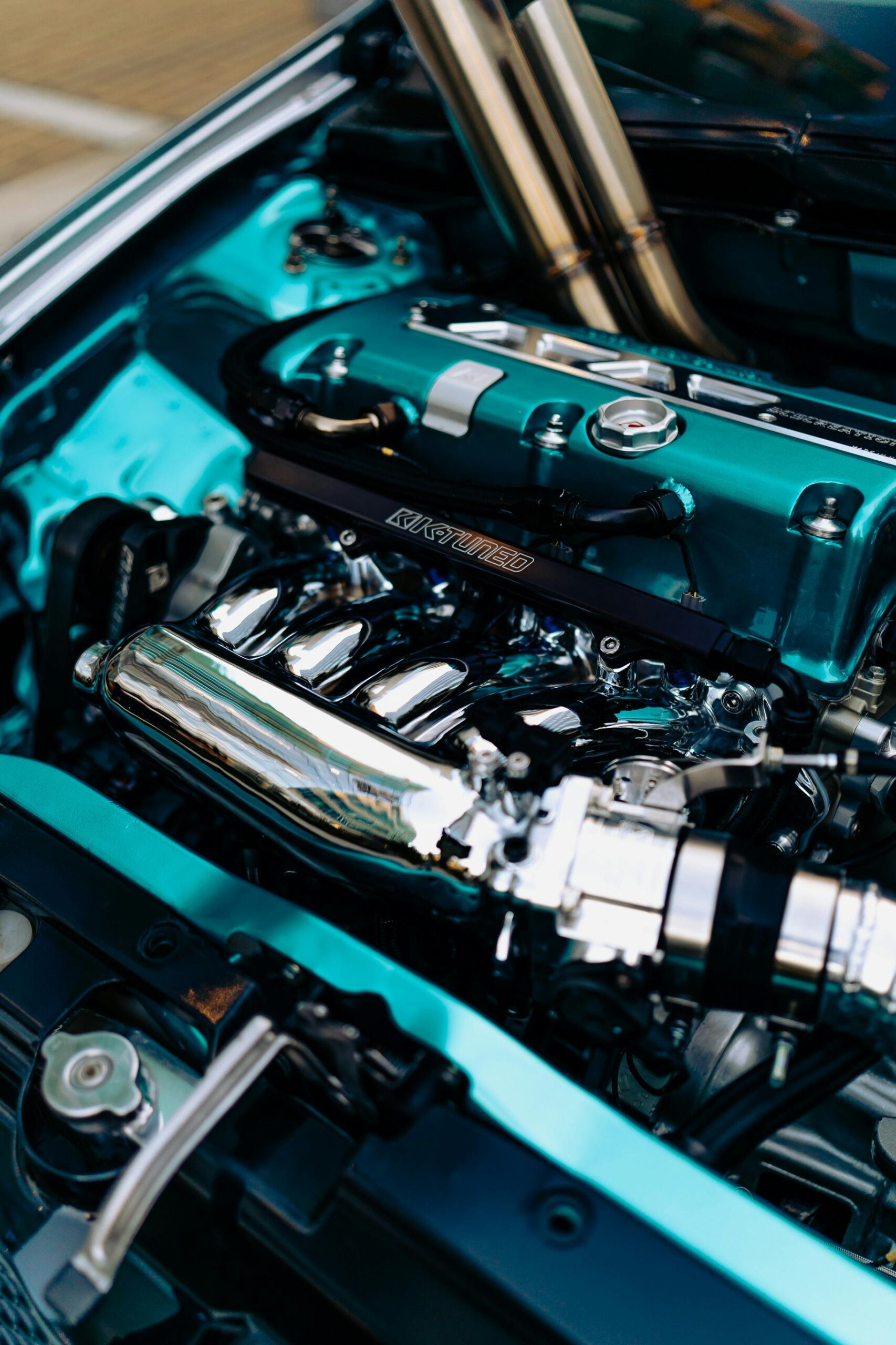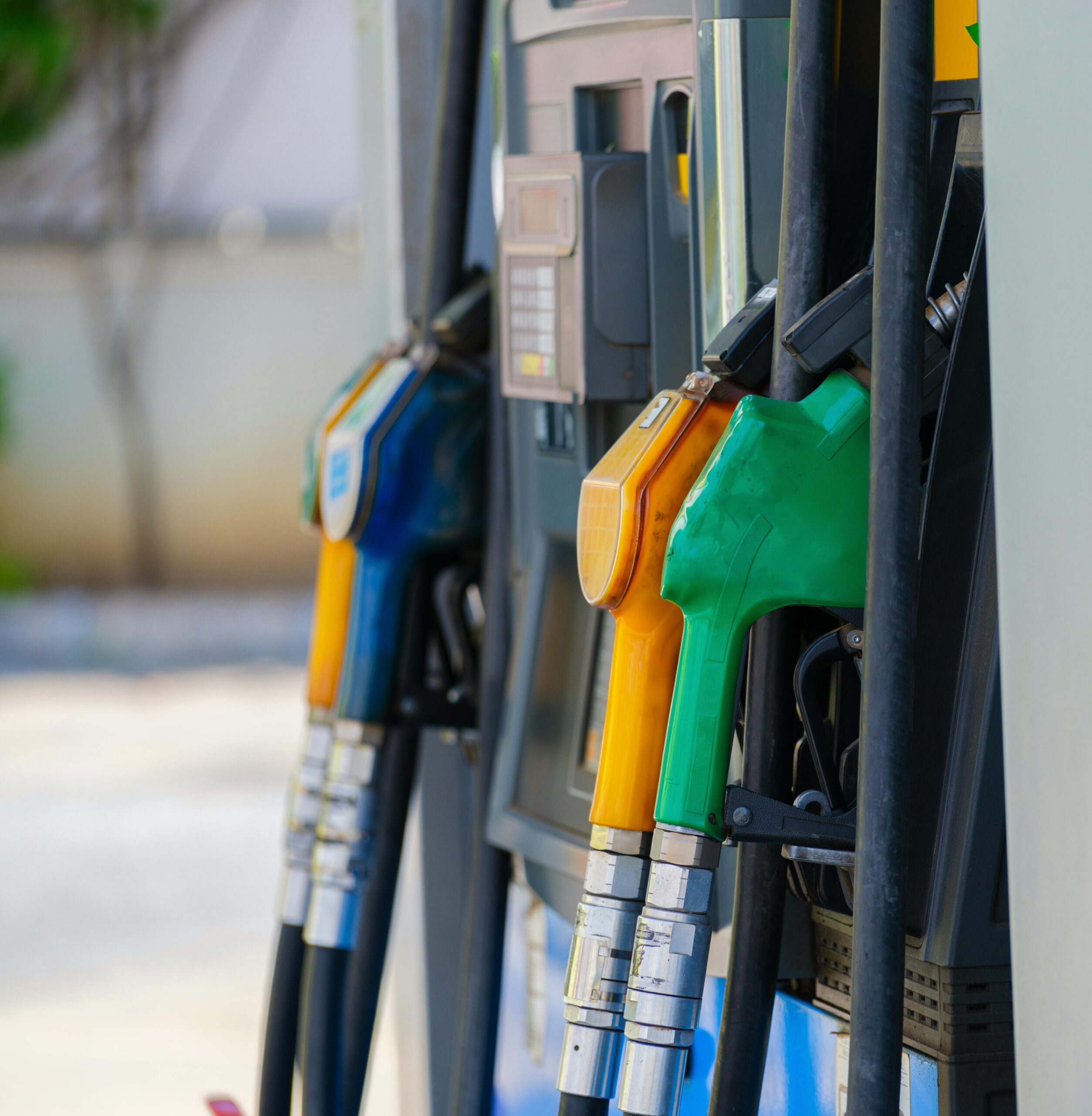
Fuel is the energy source that powers internal combustion engines in vehicles, but not all fuels are created equal. One of the most critical factors in determining fuel quality is its octane rating, which plays a significant role in how the fuel burns in your engine. Whether you’re driving a standard passenger car or a high-performance race car, understanding the differences between normal fuel (regular gas) and race fuel is essential for optimal engine performance.
In this article, we will dive into what octane means, how it affects engine performance, and the differences between normal fuel and race fuel.
What is Octane?
Octane refers to a fuel’s ability to resist “knocking” or “pinging” during combustion. Knocking occurs when fuel prematurely ignites in the engine’s cylinder due to high pressure or temperature, causing the engine to misfire and lose efficiency. This can lead to engine damage over time if not controlled.
The octane rating (or octane number) is a measure of a fuel’s resistance to this knocking. The higher the octane rating, the more resistant the fuel is to knocking.
There are two common ways to measure octane:
- Research Octane Number (RON): This is determined under controlled, steady-state conditions and reflects the performance of fuel at lower engine speeds.
- Motor Octane Number (MON): This is determined under more aggressive conditions, simulating higher engine speeds and loads.
When you see a fuel labeled with an octane number, it generally refers to the RON or AKI (Anti-Knock Index), which is an average of the RON and MON.
How Does Octane Affect Engine Performance?
Engines with higher compression ratios or turbocharged engines, for example, generate higher levels of pressure and heat. These engines benefit from high-octane fuel because it reduces the likelihood of pre-ignition (knocking), allowing them to run more efficiently and with more power. Here’s how different octane levels impact performance:
- Low-Octane Fuel (Regular): Typically used in vehicles with low to moderate compression ratios. This fuel burns at a slower rate and is ideal for everyday driving. However, in higher-performance engines, low-octane fuel may cause knocking, reducing power and fuel efficiency.
- High-Octane Fuel (Premium): This fuel is designed for engines that operate under higher stress, such as those with high compression ratios or forced induction (e.g., turbocharged or supercharged engines). It resists pre-ignition, allowing the engine to perform optimally without knocking.
Octane Ratings in Regular and Premium Fuels
In most countries, including the United States, fuels are classified into three main types based on their octane rating:
- Regular Gasoline (87 Octane):
- The most common fuel for standard vehicles.
- Generally, 87 octane fuel is considered “regular” and is suitable for cars with lower compression engines.
- Best For: Most everyday vehicles, including economy cars, and vehicles that don’t require high-performance fuel.
- Mid-Grade Gasoline (89 Octane):
- This fuel has a slightly higher octane rating than regular fuel, providing better protection against knocking in certain engines.
- Some manufacturers recommend 89 octane for specific models or vehicles that are somewhat more powerful but still not high-performance.
- Premium Gasoline (91-93 Octane):
- Premium fuels generally range between 91 and 93 octane in the United States, and are designed for high-performance engines that demand higher compression.
- Best For: High-performance, luxury, or sports cars with high compression ratios or forced induction systems (like turbochargers).
Normal Fuel vs. Race Fuel
While normal fuels (regular or premium gasoline) are suitable for most cars, race fuels are formulated specifically for the extreme demands of high-performance or motorsports engines. Here’s a breakdown of the differences:
Normal Fuel (Pump Gas):
- Composition: Standard gasoline sold at fuel stations is composed mainly of hydrocarbons with small amounts of additives (detergents, anti-corrosives, etc.).
- Octane Rating: Pump gas typically ranges from 87 to 93 octane depending on the region and fuel type (regular, mid-grade, or premium).
- Usage: Designed for daily drivers, economy cars, and most standard passenger vehicles.
- Price: Normal fuel is relatively inexpensive and widely available.
- Performance: Regular gas is optimized for engines with lower compression ratios, non-turbocharged engines, or vehicles that don’t experience high engine loads.
Race Fuel:
- Composition: Race fuels are specially formulated with higher-performance additives, higher-quality base fuels, and sometimes oxygenates (chemicals that increase the amount of oxygen in the fuel mixture, promoting more complete combustion).
- Octane Rating: Race fuel typically has higher octane ratings than regular fuel, often ranging from 100 to 120 or higher, depending on the needs of the engine.
- Usage: Specifically designed for race cars, high-performance street cars, and engines that are heavily modified (e.g., high compression, turbocharged, or supercharged engines).
- Price: Race fuels are significantly more expensive than pump gas due to their specialized composition and lower availability.
- Performance: Race fuels can handle higher engine loads, temperatures, and boost levels, making them ideal for racing and high-performance driving. They prevent knocking even in extreme conditions and may provide a small increase in power.
Why Race Fuel Has Higher Octane
Race fuel contains higher octane levels for several reasons:
- Higher Compression: Race engines typically have a much higher compression ratio, which creates more heat and pressure inside the cylinder. High-octane fuel resists pre-ignition at these extreme pressures, allowing the engine to perform at its full potential.
- Boosted Engines: Turbocharged and supercharged engines increase intake air pressure, which also increases combustion temperatures. Race fuel ensures that the engine can handle this extra boost without knocking.
- Temperature Resistance: Race fuel burns at a higher temperature, preventing engine knock even in high-heat situations. This resistance to knocking allows for higher power output.
- Better Combustion: Some race fuels are oxygenated, meaning they contain more oxygen molecules than regular gas. This helps burn the fuel more completely and efficiently, which can increase horsepower, torque, and overall engine response.
Types of Race Fuel
- Unleaded Race Fuel: Most modern race fuels are unleaded, unlike the older leaded fuels that were once common. Lead-free fuels are cleaner, more environmentally friendly, and compliant with regulatory standards.
- Example: Sunoco’s 100-octane unleaded race fuel, often used in professional racing series.
- Leaded Race Fuel: Some older race engines still use leaded race fuel, which contains tetraethyl lead to boost octane ratings. This is less common today due to environmental concerns and regulations.
- Example: 110-octane leaded fuel, commonly used in classic or vintage race cars.
- Ethanol-Based Fuel: Some race fuels contain ethanol (E85, for example), which is an alcohol-based fuel. Ethanol has a high octane rating and allows for more aggressive engine tuning, especially in drag racing or other forms of motorsport where high-performance tuning is necessary.
- Example: E85 fuel, which contains 85% ethanol and is commonly used in racing events that allow for this type of fuel.
Key Differences Between Normal Fuel and Race Fuel
| Feature | Normal Fuel | Race Fuel |
|---|---|---|
| Octane Rating | 87 to 93 (regular to premium) | 100 to 120 or higher |
| Cost | Relatively inexpensive | Expensive, often $6–$20 per gallon |
| Usage | Daily driving, economy cars | High-performance, racing engines |
| Fuel Additives | Basic detergents and stabilizers | High-performance additives, including oxygenates |
| Compression Ratio | Lower compression engines | High compression, turbocharged or supercharged engines |
| Performance | Sufficient for standard vehicles | Superior for racing and high-performance engines |
When Should You Use Race Fuel?
- Modified Engines: If your engine is significantly modified (e.g., with a turbocharger, supercharger, or a high-compression setup), race fuel might be necessary to prevent knocking and to fully unlock your engine’s potential.
- Racing or Track Days: If you’re racing or participating in track days where your engine is under high stress, race fuel can ensure the engine operates optimally.
- High-Performance Street Cars: Some performance cars with upgraded engines (e.g., heavily modified sports cars) might benefit from race fuel for maximum performance.
Conclusion
Understanding octane and the differences between normal fuel and race fuel is crucial for both everyday drivers and performance enthusiasts. Normal fuel is sufficient for most cars and is optimized for daily driving and standard engines. However, if you’re dealing with a high-performance engine—whether it’s modified or used for racing—you’ll need race fuel to handle the higher temperatures, pressures, and performance demands.
Choosing the right fuel based on your vehicle’s engine specifications and performance needs will ensure optimal efficiency, power, and longevity, whether you’re cruising down the street or tearing up the racetrack.