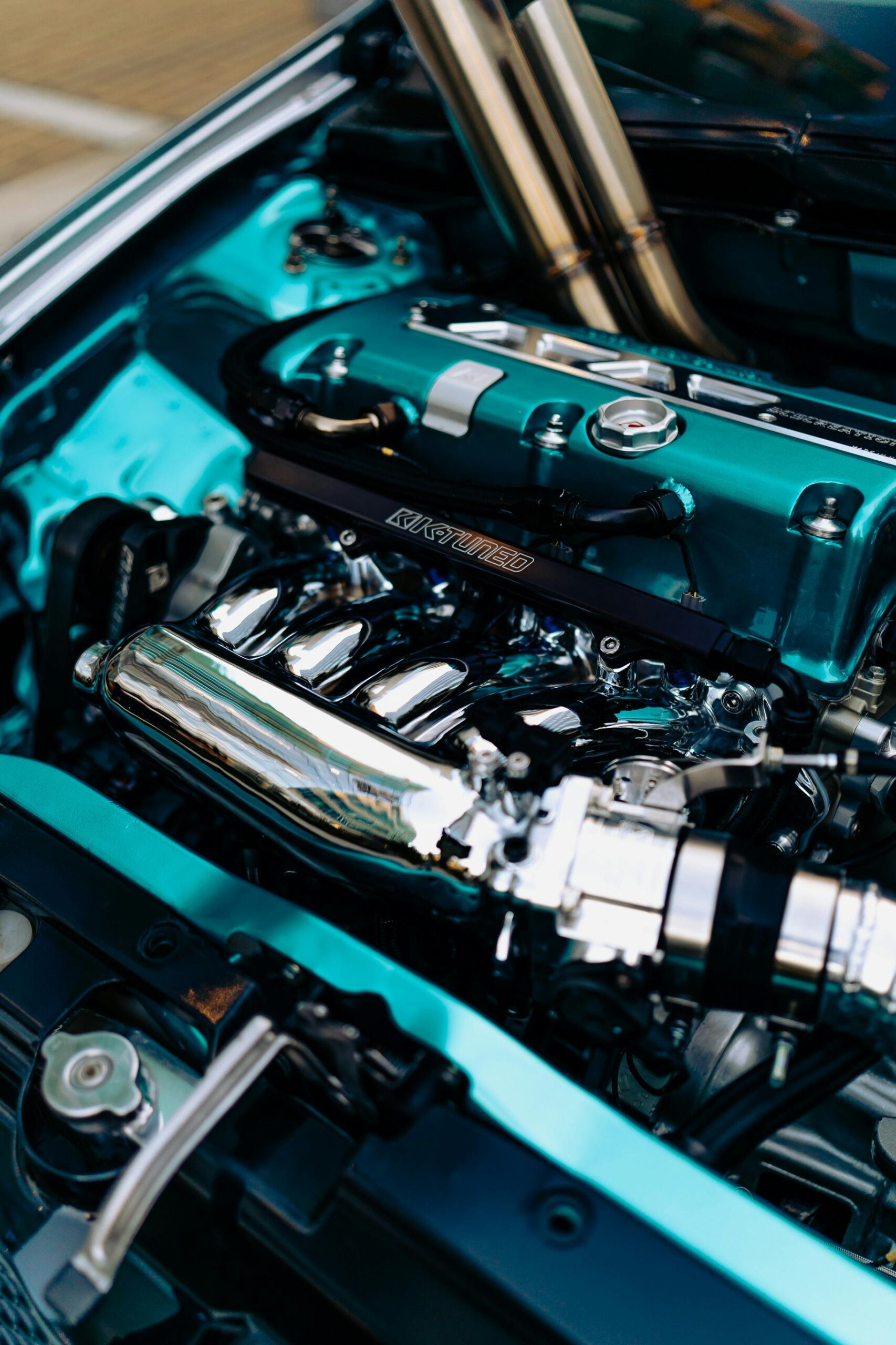
The intake manifold is a crucial component in an internal combustion engine, responsible for directing air into the engine’s cylinders. Its design and functionality play a significant role in engine performance, fuel efficiency, and overall reliability. In this article, we will explore the intake manifold in detail, discussing its purpose, types, how it works, common issues, and tips for maintenance.
What is an Intake Manifold?
An intake manifold is a system of pipes that delivers air (and sometimes fuel, in the case of carbureted engines) from the air intake system to the engine’s cylinders. It is typically located on top of or near the engine’s cylinder head and is usually made from materials such as aluminum, plastic, or composite materials.
Its primary role is to ensure that the correct amount of air enters each cylinder, enabling optimal combustion. Proper air intake is critical for engine performance, fuel economy, and emissions. A well-designed intake manifold can also help improve the engine’s power output by ensuring that air flows efficiently and evenly to all cylinders.
How Does the Intake Manifold Work?
In an internal combustion engine, the intake manifold has several essential functions:
- Air Distribution: The intake manifold is responsible for distributing air evenly across all the engine’s cylinders. This distribution ensures that each cylinder receives a similar amount of air for combustion. An uneven distribution can lead to performance issues such as misfires or uneven engine power.
- Airflow Optimization: The intake manifold often has a series of air channels or runners designed to optimize airflow into the cylinders. Some advanced intake manifolds feature variable-length runners, which can adjust their length depending on engine speed and load, improving performance across a range of conditions.
- Fuel Delivery (in some systems): In carbureted or certain fuel-injection systems, the intake manifold also serves as the conduit through which fuel is delivered into the cylinders. Fuel and air mix in the intake manifold before entering the combustion chamber.
- Air Intake Temperature Regulation: Many intake manifolds feature components like the intake air temperature sensor or thermal barriers that help regulate the temperature of the incoming air. This ensures that the air entering the engine is at the ideal temperature for combustion efficiency.
Types of Intake Manifolds
The design of the intake manifold varies depending on the engine’s configuration (e.g., V6, V8, inline), the type of fuel system (carbureted or fuel-injected), and performance goals. Below are the primary types of intake manifolds:
- Single-Plane Manifold: A single-plane intake manifold has a simple design with a single passageway for air to flow through. It is typically used in high-performance engines where maximizing airflow at higher RPMs is essential. Single-plane manifolds usually provide excellent top-end power but may sacrifice low-end torque.
- Dual-Plane Manifold: This type of intake manifold splits the airflow into two separate planes or passages, helping to increase low-end torque and improving throttle response. Dual-plane manifolds are typically used in street-performance engines to provide a balance between low-end power and high-end performance.
- Variable-Length Manifold: Variable-length intake manifolds use adjustable runners that can change length depending on the engine’s operating conditions. These systems are designed to optimize airflow across a broader range of RPMs. This design is often found in modern engines for enhanced fuel efficiency and performance at different speeds.
- Turbocharged or Supercharged Manifold: In forced induction systems, intake manifolds are designed to handle higher pressures and temperatures. These manifolds are typically reinforced and feature additional components to manage the added power from a turbocharger or supercharger.
- Composite or Plastic Manifold: Many modern vehicles use composite or plastic intake manifolds because they are lighter than metal alternatives and offer improved insulation properties, which helps prevent heat soak. These materials can also be molded into more complex shapes, offering better design flexibility for optimized airflow.
Common Intake Manifold Problems
Like all components in an engine, the intake manifold can experience wear and tear over time. Below are some common problems associated with intake manifolds:
- Vacuum Leaks: A vacuum leak occurs when air enters the intake manifold without passing through the throttle body. This can cause the engine to run lean (too much air compared to fuel) or stall, and the check engine light may illuminate. Common causes of vacuum leaks include cracked gaskets, hoses, or manifold cracks.
- Cracked Manifold: A cracked intake manifold can result from the constant expansion and contraction of metal or plastic over time. Cracks can lead to air and coolant leaks, affecting engine performance. A cracked manifold can also cause misfires and rough idling.
- Clogged or Dirty Intake Manifold: Over time, carbon deposits, dirt, and debris can accumulate in the intake manifold, obstructing airflow. This can reduce engine efficiency and cause poor acceleration or engine hesitation. Regular cleaning of the intake manifold can help prevent this issue.
- Worn or Damaged Gaskets: The intake manifold uses gaskets to create a tight seal between the manifold and the cylinder head. If the gaskets become worn or damaged, it can lead to air and coolant leaks. Replacing these gaskets is essential for maintaining engine performance.
How to Maintain an Intake Manifold
Maintaining the intake manifold is important for the longevity of your engine. Here are a few maintenance tips:
- Regular Inspections: Inspect the intake manifold and its components regularly for signs of wear or damage. Check for cracks, leaks, and other potential issues that could affect the engine’s performance.
- Cleaning: Periodically clean the intake manifold to remove carbon buildup, dirt, and debris. This can help improve airflow and prevent clogged passages.
- Gasket and Seal Replacement: Inspect the intake manifold gasket regularly and replace it if it is damaged or worn out. A faulty gasket can cause air and coolant leaks, which affect engine performance.
- Check for Leaks: Perform a vacuum leak test using a smoke machine or other diagnostic tools to detect any leaks in the intake manifold. Addressing leaks early can prevent more severe engine problems.
- Temperature Management: If your engine runs hot frequently, consider installing a heat shield or insulating material around the intake manifold to reduce the temperature of the air entering the engine. This can improve fuel efficiency and overall performance.
Conclusion
The intake manifold is an essential part of any internal combustion engine, responsible for ensuring that air reaches the engine’s cylinders in the right amount and at the right time. Whether you’re maintaining an older engine or modifying a modern one, understanding the role of the intake manifold is vital for improving performance, fuel efficiency, and longevity.
Proper maintenance of the intake manifold, including regular inspections, cleaning, and gasket replacements, is crucial for keeping your engine running smoothly. Understanding the different types of intake manifolds and common issues will also help you make informed decisions when troubleshooting or upgrading your vehicle’s engine components.
By taking care of this vital part of your engine, you can ensure that your vehicle continues to run at its best, delivering the performance you expect.
https://www.pexels.com/photo/close-up-of-engine-in-car-14277596/


