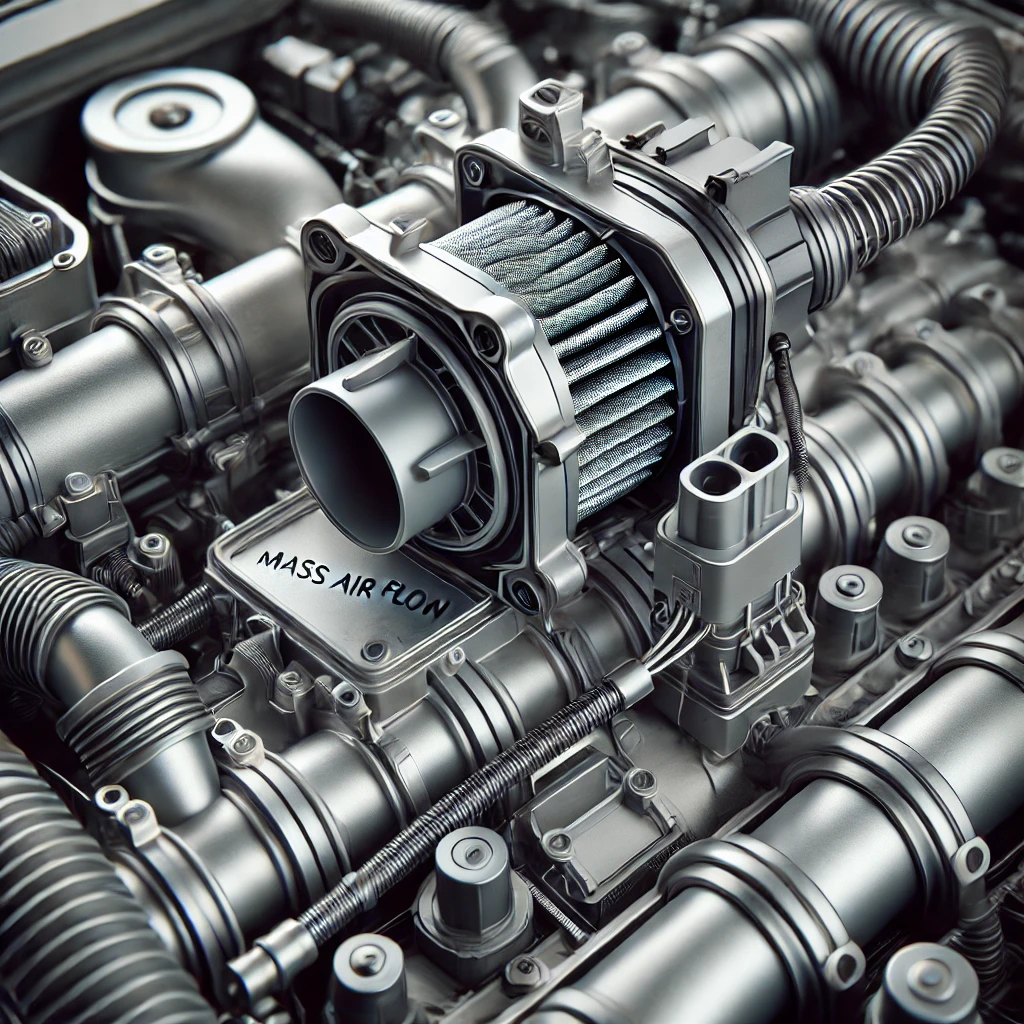
The Mass Air Flow (MAF) sensor is a vital component in modern internal combustion engines. It plays a key role in ensuring the engine runs efficiently by measuring the amount of air entering the intake system, which is crucial for maintaining the proper air-fuel mixture. A well-calibrated MAF sensor helps optimize engine performance, fuel efficiency, and emissions.
In this article, we will discuss the function, importance, types, and common issues associated with the MAF sensor.
What is a Mass Air Flow (MAF) Sensor?
The MAF sensor is responsible for measuring the volume and density of air entering the engine’s intake system. This information is crucial because it helps the Engine Control Unit (ECU) determine how much fuel to inject into the engine, ensuring the right air-fuel mixture for efficient combustion.
Without an accurate measurement of the air entering the engine, the ECU would not be able to adjust the fuel injectors properly, leading to poor fuel efficiency, increased emissions, and engine performance issues.
Key Functions of the MAF Sensor
- Measuring the Amount of Air Entering the Engine
- The primary function of the MAF sensor is to monitor the volume of air entering the engine through the intake system. This measurement is necessary for the ECU to adjust the fuel delivery and ensure that the combustion process remains balanced.
- The air-fuel mixture needs to be precise—too much air or too little air can lead to inefficient combustion, resulting in reduced power, fuel waste, and higher emissions.
- Supporting Optimal Air-Fuel Mixture
- The MAF sensor works in tandem with the oxygen sensors and other sensors in the engine to maintain a balanced air-fuel ratio. This is essential for smooth engine operation, fuel efficiency, and minimizing harmful emissions.
- With accurate air measurements, the ECU can calculate how much fuel to inject for each combustion cycle, ensuring the right mix for efficient burning.
- Improving Fuel Efficiency
- With accurate data from the MAF sensor, the ECU can optimize fuel delivery, avoiding overfueling or underfueling. Proper fuel delivery helps improve fuel economy and reduces the strain on the engine.
- Regulating Emissions
- The MAF sensor contributes to meeting emission standards by ensuring the engine operates with the correct air-fuel mixture. This minimizes the production of harmful pollutants, such as unburned hydrocarbons and carbon monoxide, which are key targets for modern emissions regulations.
How the Mass Air Flow Sensor Works
The MAF sensor typically works by determining the mass (weight) of air entering the engine rather than just its volume. The amount of air entering the intake manifold directly affects the amount of fuel that needs to be injected for combustion.
Here is a simplified overview of how the MAF sensor works:
- Air Flow Detection: The sensor is installed in the intake system, usually between the air filter and the intake manifold. As air flows through the intake system, it passes over the sensor.
- Sensing Element: The MAF sensor contains a sensing element, such as a heated wire or film. As air passes over the element, it cools the wire or film.
- Change in Resistance: The cooling effect of the air causes a change in the temperature of the wire or film. This temperature change alters the electrical resistance.
- Signal to ECU: The sensor then sends an electrical signal to the ECU based on the changes in resistance. The ECU interprets this signal to determine the volume and density of the air entering the engine.
- Fuel Adjustment: Using this data, the ECU adjusts the amount of fuel injected into the engine to maintain an optimal air-fuel ratio.
Types of MAF Sensors
There are two primary types of MAF sensors commonly used in modern vehicles:
1. Hot-Wire MAF Sensor
- How It Works: The hot-wire MAF sensor uses a thin wire that is heated to a constant temperature. As air flows over the wire, it cools the wire, causing a change in its resistance. The sensor detects this change and sends a signal to the ECU to adjust fuel delivery.
- Advantages: This type of sensor is highly accurate and responsive, making it popular in a wide range of vehicles.
- Disadvantages: Hot-wire sensors are sensitive to dirt and contaminants, which can lead to inaccurate readings and poor performance if not properly maintained.
2. Vane-Style MAF Sensor
- How It Works: The vane-style MAF sensor uses a flap or vane that moves in response to the flow of air. The movement of the vane is translated into an electrical signal that the ECU interprets to determine air volume.
- Advantages: Vane-type MAF sensors are more durable and less prone to contamination than hot-wire sensors.
- Disadvantages: These sensors are less accurate than hot-wire sensors and can be slower to respond to changes in airflow.
3. Digital MAF Sensors
- How It Works: Digital MAF sensors combine the functions of hot-wire or vane sensors with advanced electronics. These sensors offer improved accuracy and faster response times, often with built-in self-diagnostics.
- Advantages: Digital sensors offer better performance and can integrate with modern drive-by-wire systems and electronic throttle controls.
- Disadvantages: They tend to be more expensive and require advanced diagnostics for troubleshooting.
Common Issues with MAF Sensors
- Contamination and Dirt Buildup
- Dirt, dust, and oil contaminants from the air intake system can coat the sensor’s sensing element, causing inaccurate readings. This can lead to poor engine performance, rough idling, or stalling.
- Regular cleaning of the MAF sensor (using appropriate cleaning products) can help maintain its accuracy.
- Faulty or Dirty Sensors
- A malfunctioning MAF sensor can lead to improper fuel delivery, poor acceleration, increased fuel consumption, and higher emissions.
- Some symptoms of a faulty MAF sensor include:
- Check Engine Light (CEL) or warning codes related to the MAF sensor.
- Rough Idling or poor engine performance.
- Increased Fuel Consumption or poor fuel efficiency.
- Stalling or hesitation during acceleration.
- Electrical Failures
- Since MAF sensors rely on electrical components, issues such as loose wiring, broken connectors, or corrosion can cause the sensor to fail. This can lead to erratic engine behavior or no engine start.
- Unreliable Data
- If the MAF sensor sends inaccurate data due to contamination or electrical issues, the ECU may not be able to adjust fuel delivery properly, causing poor engine performance, decreased power, and higher emissions.
How to Maintain and Clean a MAF Sensor
Regular maintenance of the MAF sensor is essential to ensure it works correctly and maintains optimal engine performance. Here’s how to clean a MAF sensor:
- Turn off the Engine: Ensure the engine is turned off, and the ignition key is removed.
- Locate the MAF Sensor: Typically, the MAF sensor is located between the air filter and the intake manifold. It is usually held in place with screws or clips.
- Remove the Sensor: Carefully disconnect the electrical connector and unscrew the MAF sensor from the intake duct.
- Clean the Sensor: Use a specialized MAF sensor cleaning spray to gently clean the sensor’s element (either the wire or film). Do not touch the element with your fingers or use any harsh cleaning tools.
- Reinstall the Sensor: Once cleaned and dried, reinstall the MAF sensor back into its position, reconnect the electrical connector, and ensure it is properly secured.
Conclusion
The Mass Air Flow (MAF) sensor is a crucial part of the engine management system, ensuring that the air entering the engine is measured accurately so that the ECU can adjust the fuel delivery and maintain an optimal air-fuel mixture. By ensuring the right air-fuel ratio, the MAF sensor helps improve engine efficiency, performance, and emissions control.
Maintaining and cleaning the MAF sensor regularly, as well as replacing it when necessary, can prevent common issues like poor fuel economy, rough idling, and engine hesitation. If you notice symptoms of a faulty MAF sensor, it’s essential to address the issue promptly to avoid long-term damage to the engine and other components.