In the world of internal combustion engines, the piston plays a crucial role. This seemingly simple component is at the heart of converting the energy from combustion into mechanical power that drives a vehicle or machine. The piston is responsible for transferring the energy produced by burning fuel to the crankshaft, which ultimately propels the engine.
In this article, we’ll explore what a piston is, how it functions, and its role in the engine’s power cycle.
What Is a Piston?
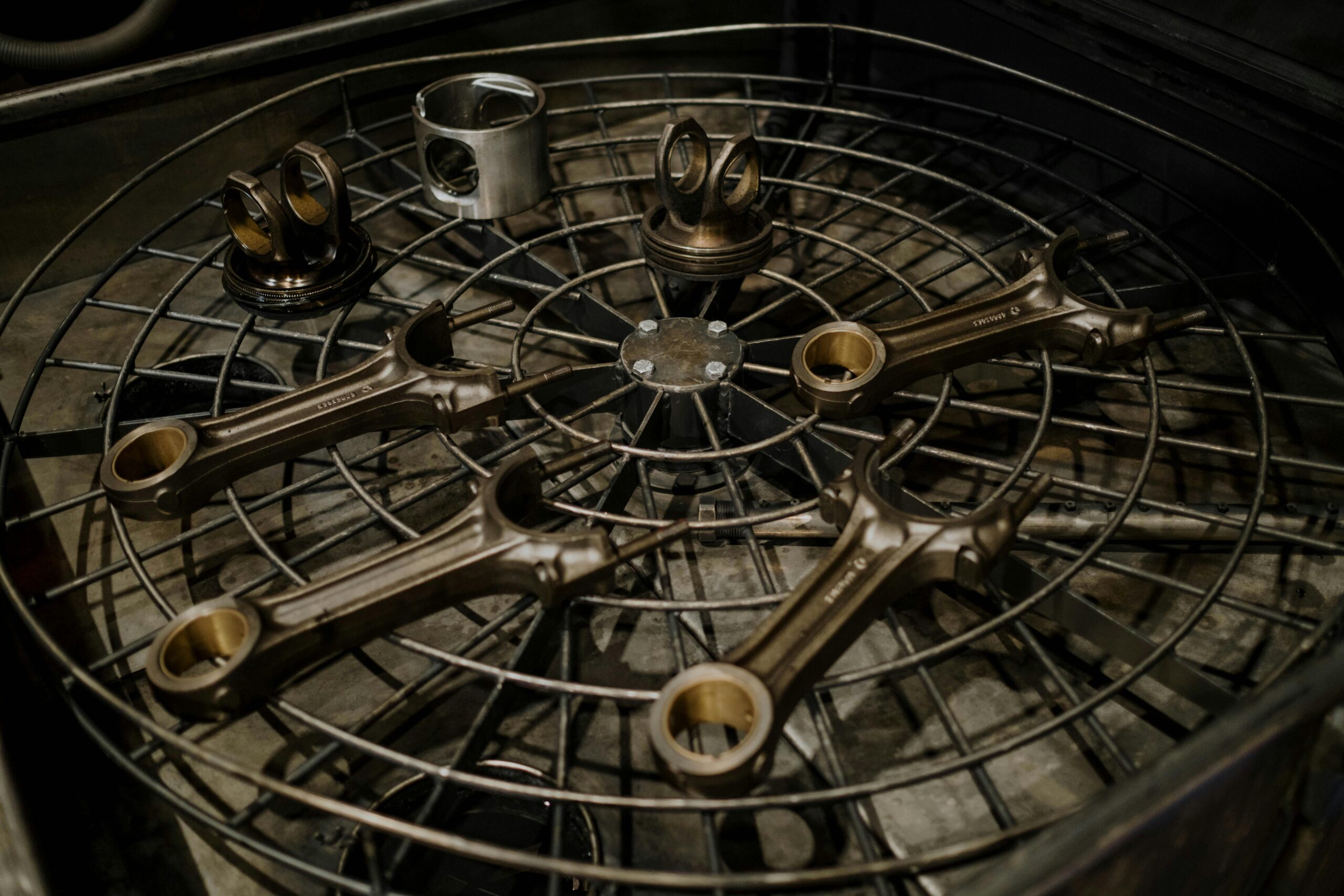
A piston is a cylindrical metal component that moves up and down inside the cylinder of an engine. It is one of the most important parts of an internal combustion engine, and its motion is what ultimately translates the energy from combustion into usable mechanical power. The piston is connected to the engine’s crankshaft through a connecting rod, and the up-and-down motion of the piston is what rotates the crankshaft.
The piston operates in a cylinder, which acts as its guide. During combustion, the piston is pushed down by the force of expanding gases, and this movement generates the mechanical energy needed to turn the crankshaft. The crankshaft is what ultimately powers the vehicle or machinery.
How Does the Piston Work?
The piston’s function is closely tied to the process of combustion that occurs within the engine. The piston moves in a four-stroke cycle, which is typical for gasoline engines. These four strokes consist of the intake, compression, power, and exhaust strokes, which take place in the cylinder. Let’s break down how the piston operates in each stroke:
1. Intake Stroke:
- The intake valve opens, and the piston moves down the cylinder.
- As the piston moves downward, it creates a vacuum that draws in a mixture of fuel and air from the intake manifold.
- The piston reaches the bottom of the stroke, and the intake valve closes.
2. Compression Stroke:
- The piston moves back up the cylinder, compressing the air-fuel mixture inside.
- The compression of the mixture increases its temperature and pressure, making it ready for ignition.
- At the end of the compression stroke, the spark plug ignites the compressed mixture, causing a small explosion.
3. Power Stroke:
- The explosion created by the spark plug forces the piston down the cylinder with great force.
- This downward movement of the piston is what generates mechanical energy.
- As the piston moves downward, the crankshaft is turned, and the engine’s power is produced.
4. Exhaust Stroke:
- The exhaust valve opens, and the piston moves up again.
- As the piston moves upward, it expels the exhaust gases that were created during the combustion process.
- The exhaust valve closes, and the cycle repeats.
Through these four strokes, the piston converts the chemical energy stored in the fuel into mechanical energy, driving the vehicle or machine forward.
The Piston’s Connection to the Crankshaft
The crankshaft is a long metal rod that rotates inside the engine, and it is the part that ultimately transfers power to the wheels (in the case of vehicles) or to a machine’s driving components. The piston connects to the crankshaft through a connecting rod, which is a long metal arm that attaches to the piston on one end and to the crankshaft on the other.
As the piston moves up and down in the cylinder, the connecting rod transmits this motion to the crankshaft. The crankshaft is designed to convert the up-and-down motion of the piston into rotational motion. This rotational motion is what drives the wheels of a car or the mechanical components of an engine-powered machine.
Materials and Design of a Piston
Pistons must be made from durable materials that can withstand the extreme temperatures, pressures, and forces generated during combustion. Common materials used for pistons include:
- Aluminum Alloy: Most modern pistons are made from lightweight aluminum alloys, which offer a good balance between strength, weight, and heat dissipation. Aluminum is also resistant to corrosion, which is important in an engine environment.
- Steel: Some high-performance engines use steel pistons, particularly when higher strength and durability are needed. Steel pistons are generally heavier than aluminum pistons, but they can handle more extreme conditions.
- Forged vs. Cast Pistons: Pistons can be either forged or cast. Forged pistons are made by compressing and shaping a solid piece of metal, which makes them stronger and more durable. Cast pistons are made by pouring molten metal into a mold, which can be more cost-effective but might not offer the same strength as forged pistons.
In addition to the material, the piston’s design must also be optimized to handle the specific demands of the engine. This includes the size, shape, and weight of the piston, which must be carefully engineered to ensure efficient combustion, minimize friction, and enhance overall performance.
Functions of a Piston in an Engine
The piston plays several key roles in the functioning of an internal combustion engine:
1. Converting Combustion Power to Mechanical Power:
The primary function of the piston is to transfer the energy produced during combustion to the crankshaft. The explosion of fuel and air in the cylinder forces the piston down, and this force is transmitted through the connecting rod to rotate the crankshaft, which drives the engine.
2. Sealing the Combustion Chamber:
The piston helps to seal the combustion chamber to ensure that gases do not escape during the combustion process. The piston is equipped with piston rings, which create a tight seal between the piston and the cylinder walls. This prevents combustion gases from leaking past the piston, improving engine efficiency and preventing damage.
3. Controlling the Flow of Gases:
As the piston moves up and down, it helps control the flow of exhaust gases and intake air into the cylinder. During the exhaust stroke, it pushes the exhaust gases out, and during the intake stroke, it helps draw in the air-fuel mixture.
4. Maintaining Pressure:
The piston’s movement during the compression stroke helps build the pressure needed to ignite the air-fuel mixture. High pressure is essential for efficient combustion, which results in more power output.
Conclusion
The piston is one of the most critical components of an internal combustion engine. Its ability to convert the explosive power generated by combustion into mechanical energy is fundamental to engine operation. The piston’s movement, powered by the force of combustion gases, drives the crankshaft and ultimately powers the vehicle or machine.
With a proper design and materials, pistons can handle the immense stresses they face within the cylinder, ensuring reliable engine performance. Whether in a car, a motorcycle, or any other internal combustion engine, the piston is the unsung hero that translates fuel into motion, making it a vital part of modern engines.