When you pop the hood of a car or peek inside an engine, you’re likely to come across a crucial part of the engine known as the cylinder. But what exactly is the cylinder, and why is it so important? To put it simply, the cylinder is the heart of an internal combustion engine, where the magic of power generation occurs.
In this blog article, we’ll dive into the fundamental role of the cylinder in an engine, how combustion works inside it, and the importance of its design in engine performance.
What Is a Cylinder?
A cylinder in an engine is a metal chamber where the process of combustion happens. It is typically made of high-strength materials, such as cast iron or aluminum alloys, to withstand the extreme pressures and temperatures generated during combustion.
The cylinder is an essential component in an internal combustion engine, whether you’re driving a car, riding a motorcycle, or operating a variety of machinery. It’s where fuel and air mix, are ignited, and where the resulting explosion drives the engine’s pistons, which in turn powers the vehicle or machine.
Anatomy of an Engine Cylinder
Before we dive into how combustion works in a cylinder, it’s helpful to understand the key components that make up an engine cylinder. These include:
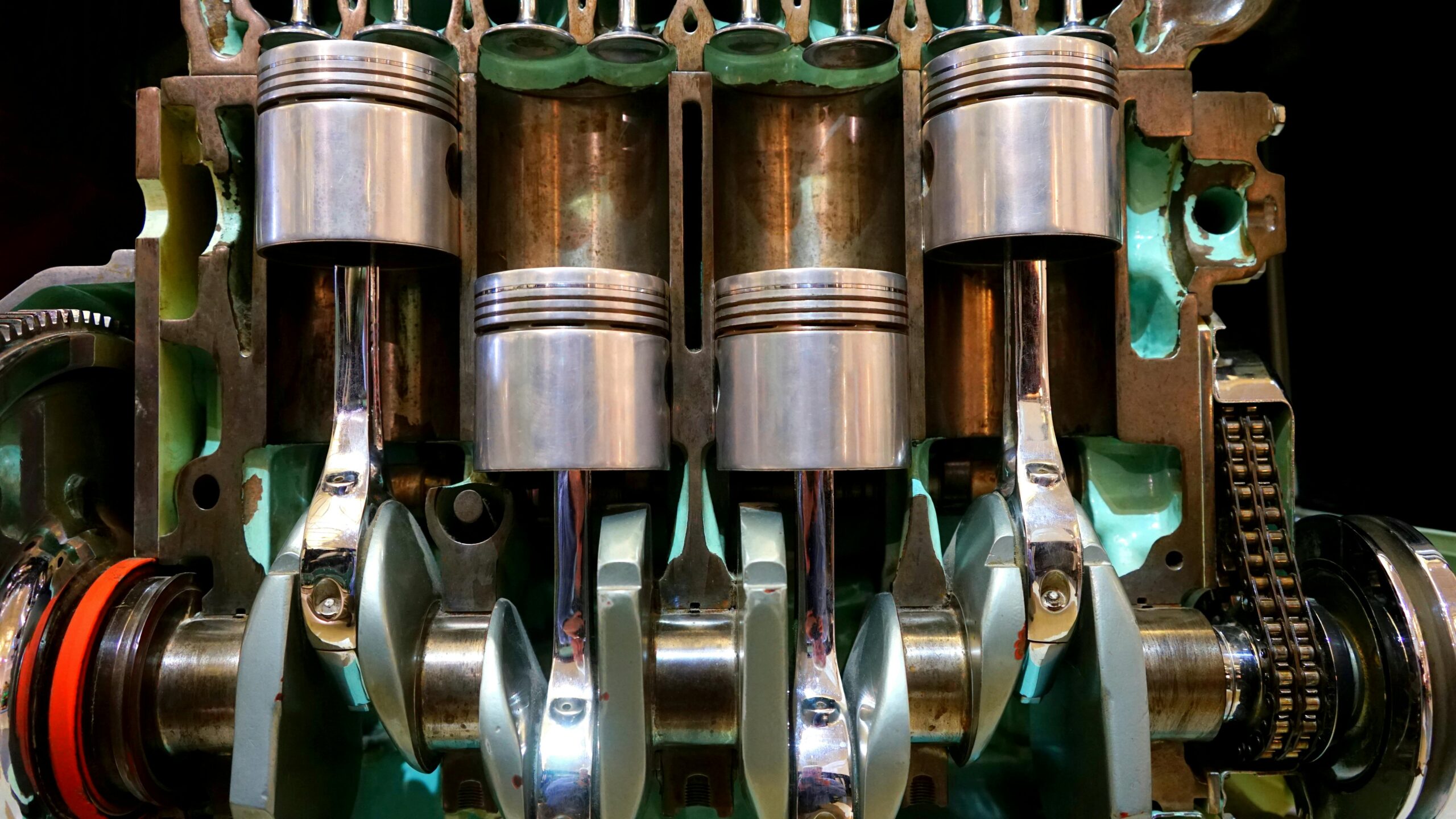
- Piston: This is the moving part inside the cylinder. It moves up and down in response to the combustion process. The piston is connected to the crankshaft via a connecting rod, and its motion generates mechanical energy that powers the engine.
- Cylinder Head: This part sits at the top of the cylinder and contains the intake and exhaust valves. It seals the cylinder and houses the spark plug or other ignition systems for combustion.
- Intake and Exhaust Valves: These valves control the entry of the air-fuel mixture into the cylinder and the expulsion of exhaust gases after combustion.
- Spark Plug: In gasoline engines, the spark plug ignites the air-fuel mixture in the cylinder. In diesel engines, the mixture ignites from the high pressure and temperature generated by the compression.
- Cylinder Walls: These are the sides of the cylinder and are designed to withstand high levels of pressure and heat. The piston moves along these walls during the combustion process.
The Combustion Process in the Cylinder
Now, let’s take a closer look at what happens inside the cylinder during combustion. The process generally occurs in four stages, often referred to as the four-stroke cycle in gasoline engines. These stages are:
- Intake Stroke: The intake valve opens, and the piston moves down the cylinder. As it moves down, the engine creates a vacuum that sucks in a mixture of air and fuel. Once the piston reaches the bottom, the intake valve closes.
- Compression Stroke: The piston moves back up the cylinder, compressing the air-fuel mixture inside. As the mixture is compressed, it heats up, increasing its potential for ignition.
- Power Stroke: Just before the piston reaches the top, the spark plug ignites the compressed air-fuel mixture. The explosion pushes the piston down with immense force, creating the power that drives the engine.
- Exhaust Stroke: Once the power stroke is complete, the exhaust valve opens, and the piston moves back up again to expel the exhaust gases created during combustion.
This cycle repeats rapidly, with the piston moving up and down, converting the energy from combustion into mechanical energy that powers the vehicle or machinery.
Types of Combustion in the Cylinder
Different types of engines employ various methods of combustion, but the general idea remains the same: fuel and air are mixed and ignited in the cylinder. The primary types of combustion processes in engine cylinders are:
- Spark Ignition (SI) Engines: Found in most gasoline engines, this process uses a spark plug to ignite the air-fuel mixture. This ignition method is commonly used in most passenger cars and light trucks.
- Compression Ignition (CI) Engines: Diesel engines use compression ignition, where the air-fuel mixture is ignited due to high temperatures resulting from the compression of air in the cylinder. This process doesn’t require a spark plug, making diesel engines more fuel-efficient and capable of generating more torque than gasoline engines.
- Homogeneous Charge Compression Ignition (HCCI): A more advanced combustion process that combines elements of both SI and CI engines. It allows for more efficient combustion with lower emissions but is more challenging to control in real-world applications.
The Importance of Cylinder Design
The design of the cylinder is critical to the overall performance, efficiency, and longevity of the engine. Several factors influence the effectiveness of a cylinder, including:
- Cylinder Bore Size: The diameter of the cylinder bore impacts the amount of air and fuel mixture that can enter the cylinder during each cycle. Larger bore sizes can increase engine displacement, allowing for more power, but they can also affect fuel efficiency and emissions.
- Stroke Length: The length of the stroke (the distance the piston travels) influences the engine’s power output and efficiency. Shorter strokes usually provide higher RPM capabilities, while longer strokes contribute to more torque.
- Cylinder Configuration: The arrangement of cylinders in an engine affects its balance and smoothness. Common configurations include inline (all cylinders arranged in a row), V-shaped (cylinders arranged in two banks at an angle), and boxer (opposing cylinders arranged horizontally).
- Cooling and Lubrication: Since combustion generates extreme heat, proper cooling and lubrication are necessary to prevent engine damage. The cylinder must be cooled to dissipate heat, and oil must be used to reduce friction and wear on the piston and cylinder walls.
- Materials: High-performance engines use advanced materials to improve cylinder strength and durability, as well as to reduce friction. The choice of materials helps optimize power output, fuel efficiency, and longevity.
Conclusion
The cylinder is more than just a hollow metal tube; it’s where the fundamental process of combustion happens, producing the power that drives vehicles and machines. From the design of the cylinder to the careful engineering of the combustion process, many factors come together to ensure optimal engine performance.
As automotive technology continues to evolve, the role of the cylinder and combustion process remains vital. Innovations such as turbocharging, hybridization, and alternative fuels are changing how cylinders are used, but the basic principles remain the same—combustion happens in that central chamber, driving the engine and powering the world around us.
https://www.pexels.com/photo/four-pistons-with-connecting-rods-on-engine-190539/