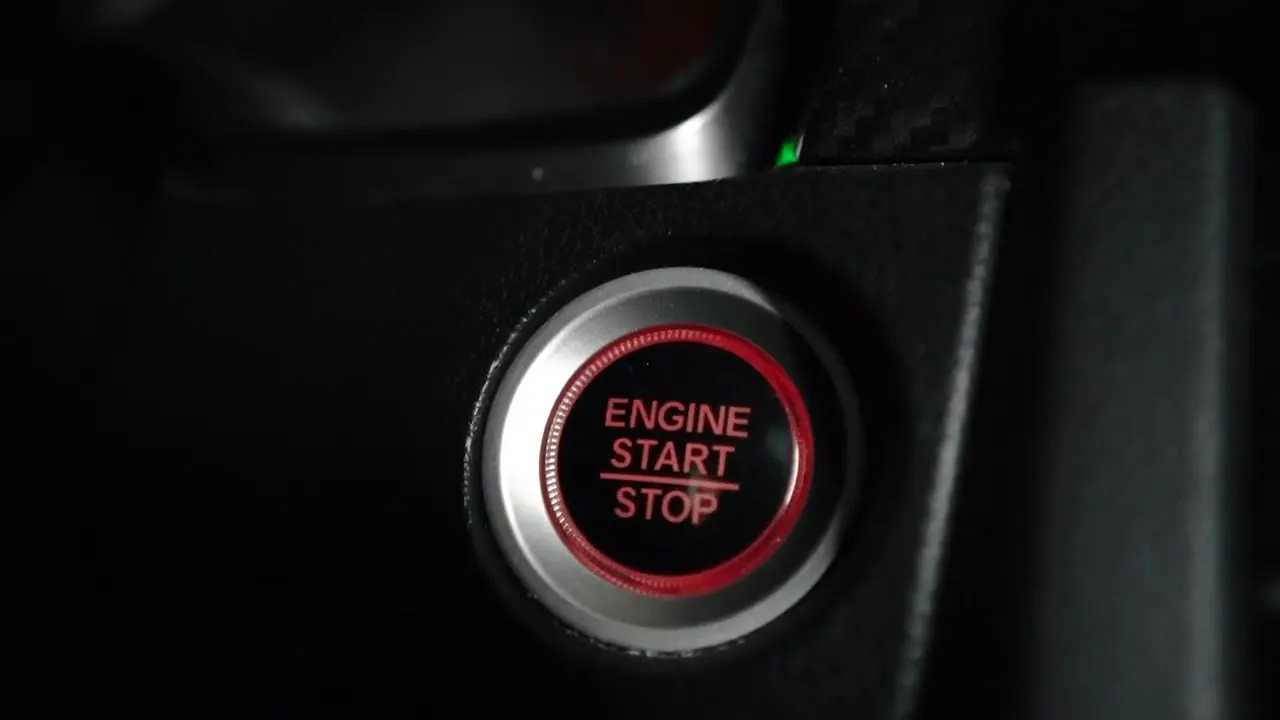
Engine Push Start Button
https://www.pexels.com/video/engine-push-start-button-4707144/
A **push-button engine start** system is a modern feature found in many contemporary vehicles that allows drivers to start and stop the engine without using a traditional key ignition. Instead, the system utilizes a button—typically located on the dashboard or center console—that, when pressed, initiates the engine start sequence. Here’s an overview of how push-button start systems work, how to use them, and some tips for troubleshooting common issues.
# How Push-Button Start Systems Work
1. **Key Fob Detection**: The vehicle is equipped with a key fob (a small electronic device) that communicates wirelessly with the car. When you have the key fob inside the vehicle (usually within a certain proximity), the system recognizes its presence.
2. **Start/Stop Button**: The push-button start is integrated with the vehicle’s electronic control system. When you press the button, it sends a signal to the engine control unit (ECU) to start the engine.
3. **Safety Interlocks**: These systems incorporate various safety features to prevent unauthorized access or accidental engine startups. For example:
– **Brake Pedal Activation**: In many vehicles, you must press the brake pedal before the engine will start.
– **Gear Selection**: The vehicle must be in “Park” (for automatic transmissions) or “Neutral” (for manual transmissions) before starting.
4. **Battery and Electrical Systems**: The system relies on the vehicle’s battery and electrical systems to function properly. Ensuring that the battery is charged and in good condition is crucial for the push-button start system to work.
# How to Use Push-Button Start
Here are the general steps to start and stop your vehicle using a push-button start system:
## Starting the Engine
1. **Enter the Vehicle**: Ensure that the key fob is inside the vehicle, either in the interior or within the specified range if the system supports remote starting.
2. **Press the Brake Pedal**: Depress the brake pedal fully. This is a safety measure to prevent accidental movement.
3. **Press the Start Button**: With the brake pedal pressed, press the engine start button. You should hear the engine crank and start.
4. **Verify Engine Status**: Check the dashboard indicators to ensure the engine is running correctly and that there are no warning lights.
## Stopping the Engine
1. **Park the Vehicle**: Ensure the vehicle is in “Park” (automatic transmission) or “Neutral” (manual transmission).
2. **Press the Stop Button**: Press the same button you used to start the engine. The engine should shut down.
3. **Exit the Vehicle**: Remove the key fob from the vehicle to ensure it doesn’t accidentally restart.
# Advantages of Push-Button Start
– **Convenience**: Eliminates the need to insert and turn a key, making it faster and easier to start the vehicle.
– **Enhanced Security**: Typically includes advanced security features that are harder to bypass than traditional keys.
– **Modern Aesthetics**: Offers a sleek, modern look to the vehicle’s interior design.
# Common Issues and Troubleshooting
While push-button start systems are generally reliable, you may encounter some common issues:
## 1. **Unresponsive Start Button**
– **Possible Causes**:
– Dead key fob battery.
– Faulty brake pedal sensor.
– Low vehicle battery.
– **Solutions**:
– Replace the key fob battery.
– Check the brake pedal sensor for proper operation.
– Ensure the vehicle’s battery is fully charged and in good condition.
## 2. **Engine Starts but Immediately Shuts Off**
– **Possible Causes**:
– Faulty starter motor.
– Issues with the fuel or ignition system.
– Electrical problems within the start system.
– **Solutions**:
– Have the starter motor inspected by a mechanic.
– Check the fuel and ignition systems for any faults.
– Inspect the vehicle’s electrical system for any issues.
## 3. **Push Button Not Recognizing Key Fob**
– **Possible Causes**:
– Key fob is out of range.
– Interference from other electronic devices.
– Damaged or malfunctioning key fob.
– **Solutions**:
– Ensure the key fob is within the recommended range.
– Move away from potential sources of interference.
– Test with a spare key fob if available, or have the key fob serviced.
## 4. **Dashboard Warning Lights Illuminate**
– **Possible Causes**:
– Issues with the push-button start system sensors.
– General engine or electrical problems.
– **Solutions**:
– Refer to the vehicle’s owner manual to identify specific warning lights.
– Have the vehicle diagnosed with an OBD-II scanner to pinpoint issues.