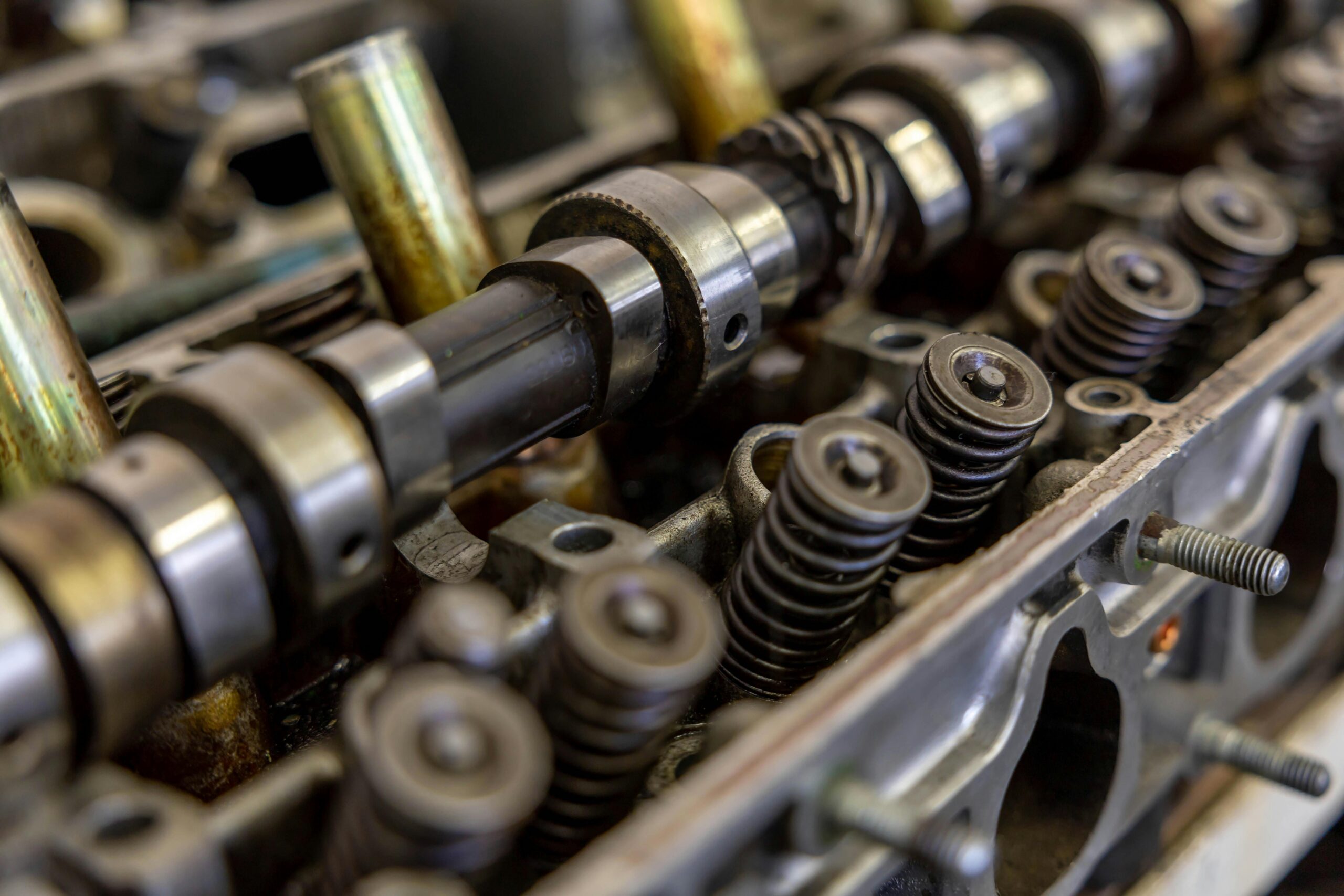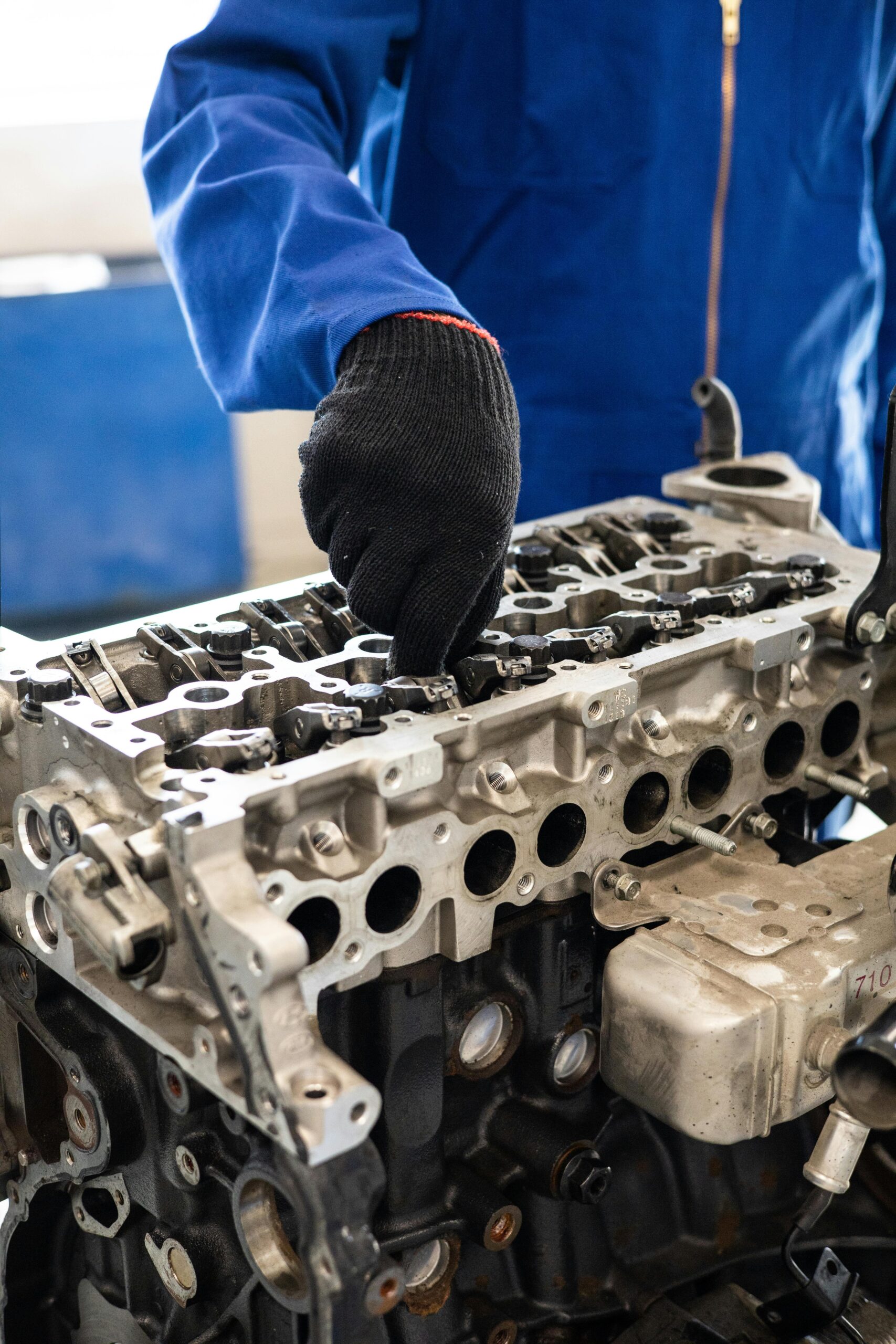
Cylinder head machining is a critical process in improving engine performance. By modifying the cylinder head, you can enhance airflow, combustion efficiency, and overall power output. This guide will explore the methods, benefits, and considerations of cylinder head machining for performance upgrades.
Why Machine the Cylinder Head?
The cylinder head is the entry and exit point for air and fuel in the engine. Optimizing its design and surface finish can significantly improve engine efficiency and power by enhancing the following:
- Airflow: Smoother and larger pathways allow for more efficient air and fuel movement.
- Compression Ratio: Increasing the compression ratio improves the engine’s ability to extract energy from the air-fuel mixture.
- Combustion Efficiency: Improved combustion leads to more power and reduced emissions.
Common Cylinder Head Machining Techniques
1. Port and Polish
- What It Is: Enlarging and smoothing the intake and exhaust ports to improve airflow.
- How It Works:
- Porting: Removing material to reshape the ports for optimal airflow.
- Polishing: Smoothing the surface to reduce turbulence and resistance.
- Benefits:
- Increased horsepower and torque.
- Improved throttle response.
2. Decking (Surface Milling)
- What It Is: Machining the surface of the cylinder head to ensure a perfectly flat mating surface with the engine block.
- How It Works:
- The head is shaved to reduce its thickness, effectively increasing the compression ratio.
- Benefits:
- Higher compression for more power.
- Better sealing with the head gasket.
3. Valve Seat Machining
- What It Is: Reshaping the valve seats for better sealing and airflow.
- How It Works:
- Multi-angle valve jobs create optimal paths for air entering and exiting the combustion chamber.
- Benefits:
- Improved airflow and combustion efficiency.
- Enhanced durability of the valve sealing.
4. Chamber Modification
- What It Is: Reshaping the combustion chambers to optimize air-fuel mixture flow and burning.
- How It Works:
- Enlarging or smoothing the chambers for even combustion.
- Benefits:
- Reduced detonation risk (knock).
- Improved power output.
5. Enlarging Valve Openings
- What It Is: Increasing the size of the valves and/or their openings to allow more air and fuel into the engine.
- How It Works:
- Installing oversized valves or machining existing ones.
- Benefits:
- Increased airflow for higher RPM power.
6. Thread Repair or Reinforcement
- What It Is: Strengthening or restoring threads for bolts and spark plugs.
- How It Works:
- Installing thread inserts or helicoils.
- Benefits:
- Improved durability under high-performance stresses.
Benefits of Cylinder Head Machining for Performance
- Increased Horsepower and Torque
- Improved airflow and combustion efficiency result in more power.
- Better Throttle Response
- Enhanced air pathways allow for quicker response to throttle input.
- Higher RPM Capability
- Optimized ports and valves allow for stable airflow at higher engine speeds.
- Improved Fuel Efficiency
- Efficient combustion leads to better energy utilization.
- Enhanced Engine Longevity
- Precision machining ensures proper fitment and reduces stress on components.
Considerations Before Machining
- Skill and Equipment Required
- Cylinder head machining is a precision task and should be performed by experienced professionals with specialized tools.
- Compatibility with Other Mods
- Ensure the modifications align with other performance upgrades, such as camshafts, pistons, and intake/exhaust systems.
- Material Limitations
- Excessive machining can weaken the head or cause sealing issues. Always stay within manufacturer-recommended tolerances.
- Engine Type
- Forced induction (turbocharged/supercharged) engines and naturally aspirated engines have different airflow and compression needs.
- Budget
- Some machining processes, like CNC porting, can be expensive.
Steps in Cylinder Head Machining
- Disassembly
- Remove valves, springs, and seals from the cylinder head.
- Inspection
- Check for cracks, warping, or damage. Ensure the head is structurally sound for machining.
- Machining Process
- Perform the necessary operations, such as porting, polishing, or milling.
- Cleaning
- Thoroughly clean the head to remove metal shavings and debris.
- Reassembly
- Install valves, springs, and seals after machining is complete.
- Testing
- Pressure test the head to ensure proper sealing and performance.
When Should You Machine a Cylinder Head?
- During Engine Rebuilds: To restore performance and ensure proper fitment with the block.
- For Performance Upgrades: When adding high-performance parts like cams or forced induction.
- To Repair Damage: Warped heads or worn valve seats often require machining.
Cylinder Head Machining: Stock vs. Performance
| Feature | Stock Cylinder Head | Performance-Machined Cylinder Head |
|---|---|---|
| Airflow | Standard | Optimized for maximum efficiency |
| Compression Ratio | OEM specifications | Higher for more power |
| Durability | Moderate | Enhanced with precision machining |
| Cost | Low | Moderate to high, depending on mods |
| Best Use | Daily driving | Racing, high-performance builds |
Conclusion
Cylinder head machining is one of the most effective ways to boost engine performance. By improving airflow, compression, and combustion efficiency, you can unlock significant power gains. Whether you’re building a race car or enhancing a daily driver, cylinder head machining tailored to your engine’s needs can make a noticeable difference in performance. However, it’s essential to have the work done by experienced professionals to ensure quality and reliability.
https://www.pexels.com/photo/man-repairing-an-engine-8986047/