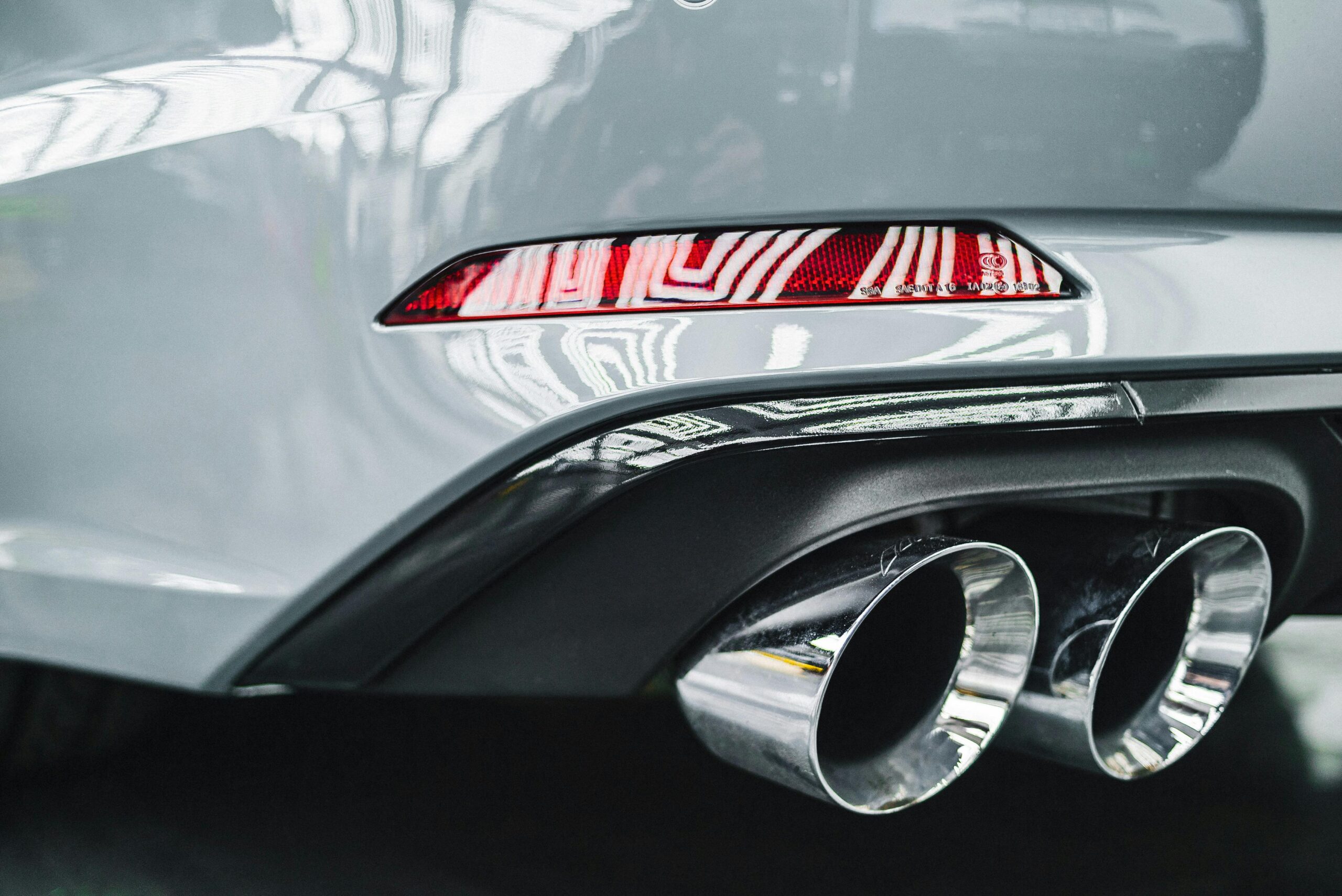
When it comes to upgrading your vehicle, one of the most significant changes you can make is to the exhaust system. The exhaust system is responsible for directing the gases produced during combustion out of the engine and away from the vehicle, contributing to the vehicle’s overall performance, fuel efficiency, and emissions. There are two main types of exhaust systems: stock and performance. Each has its own benefits, and choosing between them depends on your goals and driving needs.
In this article, we’ll explore the key differences between stock and performance exhaust systems, how they affect your vehicle, and which one might be the right choice for you.
What Is a Stock Exhaust?
A stock exhaust is the exhaust system that comes pre-installed on your vehicle from the factory. It is designed to meet the manufacturer’s specifications, balancing factors like emissions control, noise reduction, cost, and reliability. The stock exhaust is typically built with moderate performance in mind and is not intended for enhancing engine output. It generally includes components like the exhaust manifold, catalytic converter, muffler, and tailpipe.
Characteristics of a Stock Exhaust:
- Standard design: Designed to meet regulatory requirements, including noise and emissions standards.
- Material: Often made from aluminized steel or mild steel for cost-effectiveness.
- Moderate performance: Focuses on providing adequate performance, reliability, and fuel efficiency while controlling emissions.
- Noise control: Designed to keep engine noise within legal limits and minimize disturbance.
- Affordability: Stock exhaust systems are more affordable compared to performance exhaust systems.
What Is a Performance Exhaust?
A performance exhaust is an aftermarket system designed to increase the vehicle’s horsepower, torque, and overall engine performance. Performance exhausts are built to improve exhaust flow, reduce backpressure, and enhance the efficiency of the engine. These systems are often used by enthusiasts who want to maximize their vehicle’s power output, improve throttle response, and create a more aggressive exhaust note.
Characteristics of a Performance Exhaust:
- High-performance design: Optimized for improved exhaust flow and reduced backpressure, leading to better engine efficiency.
- Material: Made from high-quality materials like stainless steel or titanium, which offer better durability and corrosion resistance.
- Increased horsepower and torque: The free-flowing design allows exhaust gases to exit the engine more quickly, resulting in better performance, especially at higher RPMs.
- Aggressive sound: Performance exhaust systems typically produce a louder, more aggressive exhaust note, which is often a desired feature for car enthusiasts.
- Customization: Available in various configurations, including cat-back systems, axle-back systems, headers, and more, allowing for tailored improvements based on specific needs.
Key Differences Between Stock and Performance Exhaust Systems
- Exhaust Flow and Backpressure:
- Stock Exhaust: The stock exhaust is designed to reduce noise and emissions while still maintaining a level of exhaust flow. However, it tends to create more backpressure, which can limit engine performance by restricting the flow of exhaust gases.
- Performance Exhaust: Performance exhaust systems are engineered to reduce backpressure and improve exhaust flow. The free-flowing design allows exhaust gases to exit the engine more efficiently, which can lead to improved engine performance, especially under load.
- Power and Performance:
- Stock Exhaust: While the stock exhaust system is designed for compliance with emissions standards and basic performance, it is not optimized for maximum power. It may restrict exhaust gases, especially at higher RPMs, limiting engine efficiency and performance.
- Performance Exhaust: A performance exhaust system is typically designed to increase engine power and torque. By allowing exhaust gases to flow more freely, it can enhance overall engine efficiency, resulting in more horsepower and better throttle response. The gains in power can vary depending on the type of performance exhaust and the vehicle.
- Emissions Control:
- Stock Exhaust: Stock exhaust systems are built to meet emissions regulations and often include components such as catalytic converters and oxygen sensors to control harmful gases. This helps to keep the vehicle compliant with environmental standards and legal requirements.
- Performance Exhaust: While some performance exhaust systems are designed to be emissions-compliant, they may not always meet strict emissions standards in certain regions. Some performance exhausts may remove or modify components like catalytic converters to increase performance, potentially leading to increased emissions. It’s important to check local regulations before opting for a performance exhaust.
- Noise Levels:
- Stock Exhaust: Stock exhaust systems are designed to keep noise levels within legal limits. As a result, they tend to have a quieter, more subdued exhaust note, prioritizing comfort and minimizing disturbance.
- Performance Exhaust: Performance exhausts are typically louder, with a more aggressive exhaust note. This is due to the reduced sound-dampening features and the more free-flowing nature of the exhaust. While many enthusiasts enjoy the enhanced sound, it can be too loud for those seeking a quieter ride.
- Material and Durability:
- Stock Exhaust: Stock exhausts are usually made from mild steel or aluminized steel. These materials are cost-effective but may be prone to rust and corrosion over time, especially in regions with heavy rainfall or salty roads.
- Performance Exhaust: Performance exhausts are commonly made from higher-quality materials like stainless steel or titanium. These materials are more resistant to corrosion, offering longer-lasting durability, especially in harsh conditions.
- Cost:
- Stock Exhaust: The stock exhaust system is typically less expensive since it is mass-produced with cost-effectiveness in mind. However, if you need to replace a damaged stock exhaust, the cost can vary depending on the vehicle model.
- Performance Exhaust: Performance exhaust systems are more expensive due to their high-quality materials, specialized design, and potential for power gains. The cost can range significantly depending on the type of system and vehicle.
When to Choose a Stock Exhaust
A stock exhaust system is ideal for those who:
- Prioritize reliability and want a system that is designed to meet emissions and noise regulations.
- Are looking for a cost-effective solution for replacing a worn-out or damaged exhaust.
- Do not need to make significant performance improvements and are satisfied with the vehicle’s factory performance.
- Want a quieter ride with minimal attention to engine sound.
When to Choose a Performance Exhaust
A performance exhaust system is suitable for those who:
- Want to increase horsepower and torque for better performance, especially for racing, off-roading, or spirited driving.
- Enjoy a louder, more aggressive exhaust note that adds to the driving experience.
- Are willing to invest more in high-quality materials for greater durability and corrosion resistance.
- Seek a customizable solution to enhance specific aspects of their vehicle’s performance.
- Don’t mind a more noisy ride and are willing to deal with potential emissions trade-offs.
Conclusion
The choice between a stock exhaust and a performance exhaust comes down to your specific needs and preferences. If you’re looking for reliability, lower cost, and adherence to emissions and noise regulations, the stock exhaust is a solid choice. However, if you want to unlock more power, improve throttle response, and enjoy an aggressive exhaust sound, a performance exhaust could be the way to go.
Regardless of your choice, it’s essential to research the type of exhaust system that best suits your vehicle, budget, and performance goals. A performance exhaust can be a valuable upgrade for those who crave better engine performance and sound, while a stock exhaust will continue to serve those looking for a more practical, cost-effective solution.
https://www.pexels.com/photo/close-up-photo-of-a-silver-muffler-3798037/