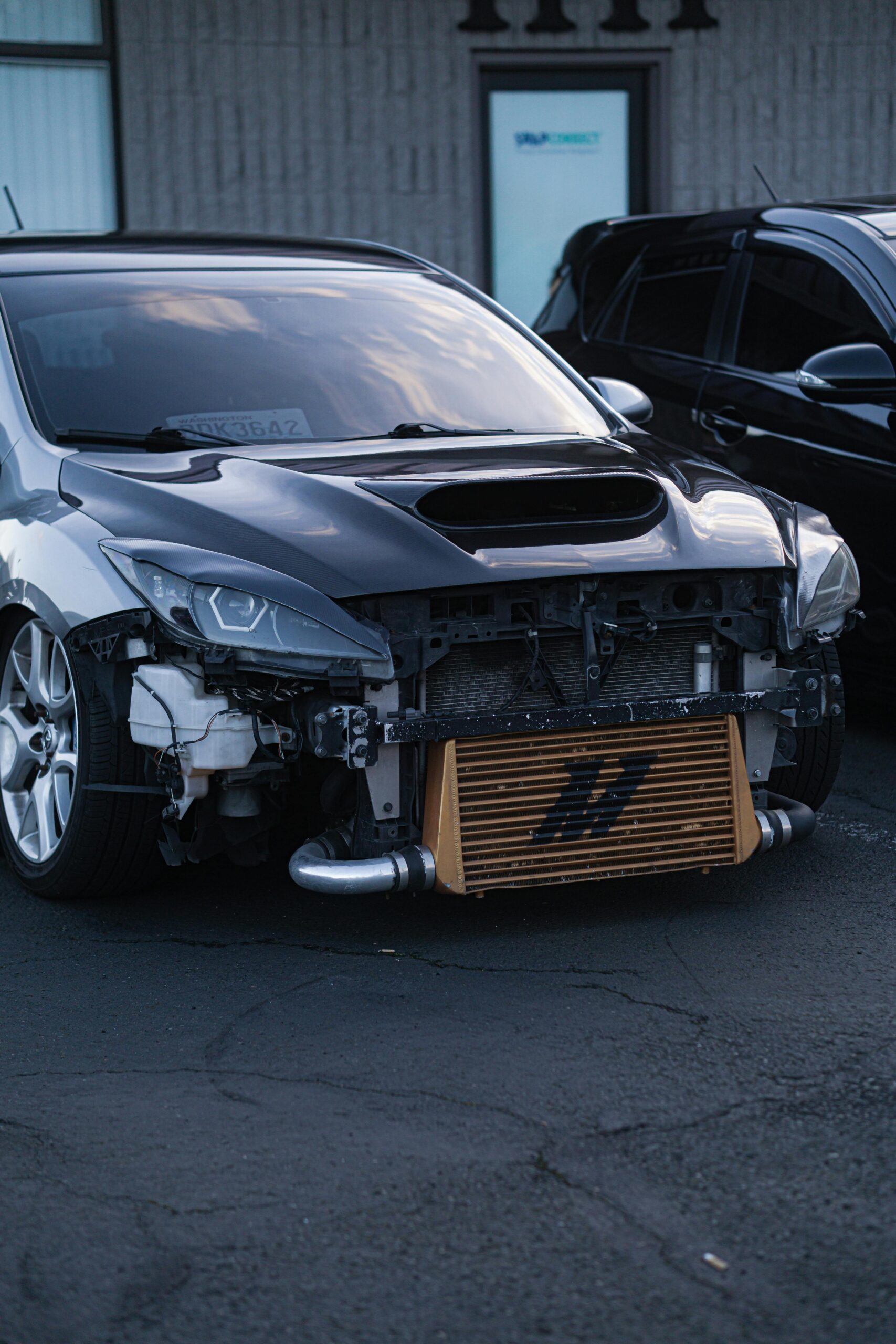
An intercooler is a crucial component in many modern internal combustion engines, particularly in turbocharged and supercharged engines. It plays a vital role in enhancing engine performance by reducing the temperature of the compressed air before it enters the engine’s combustion chambers. In this article, we will explore the function of the intercooler, how it works, the different types, common issues, and maintenance tips for keeping it in optimal condition.
What is an Intercooler?
An intercooler is a heat exchanger used in forced induction systems (like turbocharged or supercharged engines) to cool the air that has been compressed before it enters the engine. When air is compressed by a turbocharger or supercharger, it heats up, which can reduce its density and oxygen content. Cooler, denser air helps to increase the amount of oxygen available for combustion, resulting in more power and improved engine efficiency.
By reducing the temperature of the air, the intercooler helps to restore air density, allowing the engine to burn fuel more efficiently and preventing knock (pre-detonation). This leads to enhanced power output, fuel efficiency, and engine reliability.
How Does an Intercooler Work?
The intercooler works by cooling the compressed air that has been heated during the intake process. Here’s a step-by-step breakdown of how it operates:
- Compressed Air from the Turbo/Supercharger: In a turbocharged or supercharged engine, air is forced into the intake manifold under high pressure by either the turbocharger or supercharger. The process of compressing the air causes it to heat up due to the thermodynamic properties of air compression.
- Heat Exchange Process: The hot, pressurized air is routed into the intercooler, where it passes through a series of tubes or fins. The intercooler is typically cooled by either air (in air-to-air intercoolers) or liquid coolant (in air-to-water intercoolers). As the hot air flows through the intercooler, heat is transferred from the air to the cooling medium, lowering the air temperature.
- Cooling the Air: The cooled air is then directed back into the engine’s intake manifold, where it is mixed with fuel for combustion. Cooler air is denser and contains more oxygen, which improves combustion efficiency and engine performance.
- Increased Performance: By reducing the intake air temperature, the intercooler helps prevent engine knock (pre-detonation), which occurs when the air-fuel mixture ignites prematurely. With cooler, denser air, the engine can safely handle more boost from the turbo or supercharger, resulting in more power without risking engine damage.
Types of Intercoolers
There are two main types of intercoolers, each with its own advantages and disadvantages. The choice of intercooler depends on the design and requirements of the engine, as well as the vehicle’s intended use.
- Air-to-Air Intercooler: An air-to-air intercooler uses ambient air to cool the compressed intake air. The hot air from the turbocharger or supercharger passes through a series of fins and tubes that allow air to flow over them, dissipating the heat to the outside air.
Advantages:
- Simple and reliable design.
- No need for an additional cooling system (such as a water pump or radiator).
- Commonly used in performance and street applications.
Disadvantages:
- Larger and bulkier than air-to-water intercoolers.
- Can be less efficient in very hot climates or high-performance situations, as the ambient air temperature might not always be low enough to provide optimal cooling.
- Air-to-Water Intercooler: An air-to-water intercooler uses water as the coolant to absorb heat from the compressed air. The system consists of an air-to-water heat exchanger, where the hot compressed air flows through the heat exchanger and transfers its heat to a water circuit. The water is then cooled by a separate radiator.
Advantages:
- More efficient in cooling, especially in high-performance applications.
- Smaller and more compact compared to air-to-air intercoolers.
- Better performance in hot climates because the water can be kept cooler than ambient air.
Disadvantages:
- Requires additional components, such as a water pump and separate cooling system.
- More complex and expensive to maintain.
Common Intercooler Problems
Like any engine component, intercoolers can experience wear and damage over time. Here are some common issues that can occur with intercoolers:
- Leaks: The intercooler’s tubes and fins are exposed to significant stress from both pressure and heat. Over time, these components can develop cracks, holes, or leaks, leading to a loss of boost pressure. This can cause the engine to run less efficiently, reduce performance, and cause increased exhaust temperatures.
- Clogging or Blockages: Dirt, debris, or oil can accumulate inside the intercooler, especially if there are issues with the engine’s oil seals or turbocharger. Clogging restricts airflow and reduces the intercooler’s ability to effectively cool the air, leading to a drop in engine performance and efficiency.
- Overheating: If the intercooler is not properly maintained or if the vehicle is subject to extreme conditions (such as high-performance driving or extremely hot climates), the cooling efficiency of the intercooler can be compromised. This can result in the intake air being too hot, which negatively affects engine performance and can increase the risk of engine knock.
- Corrosion: In air-to-water intercoolers, the water circuit can corrode over time, especially if the coolant is not properly maintained. Corrosion can cause leaks in the intercooler, reducing its efficiency and leading to performance issues.
How to Maintain an Intercooler
Proper maintenance of the intercooler is important for ensuring that it continues to function efficiently and that the engine performs optimally. Here are a few tips for maintaining your intercooler:
- Regular Inspections: Inspect the intercooler for any signs of damage, such as cracks, leaks, or signs of oil or coolant contamination. Look for oil residue around the intercooler pipes, which may indicate an issue with the turbocharger or seals.
- Clean the Intercooler: Over time, dirt, debris, and oil can accumulate inside the intercooler, reducing its efficiency. If you have an air-to-air intercooler, check for debris blocking the fins. You can clean the outside of the intercooler by using compressed air or a soft brush to remove dirt. For air-to-water intercoolers, ensure that the water-cooling circuit is clean and free from contamination.
- Check for Leaks: If your engine is losing power or you notice a drop in boost pressure, it’s important to check for leaks in the intercooler. You can do this by performing a boost leak test, which involves pressurizing the intake system and listening for escaping air.
- Maintain the Cooling System (For Air-to-Water Intercoolers): If you have an air-to-water intercooler, ensure that the cooling system is working efficiently. This includes regularly checking the water pump, coolant levels, and ensuring the radiator is free from debris and functioning properly.
- Address Issues Promptly: If you notice any signs of a malfunctioning intercooler, such as a loss of performance or overheating, address the issue immediately. Ignoring these problems can lead to more serious engine damage or reduced engine lifespan.
Conclusion
The intercooler plays an essential role in improving engine performance, particularly in turbocharged or supercharged engines. By cooling the compressed intake air, the intercooler allows for more efficient combustion, increases power output, and reduces the risk of engine knock. Whether using an air-to-air or air-to-water intercooler, maintaining this component is crucial for ensuring optimal performance and longevity of the engine.
Regular inspection, cleaning, and prompt repair of any leaks or damage are key to keeping the intercooler in top condition. A well-maintained intercooler will help ensure that your engine runs smoothly and efficiently, delivering the performance you expect from a high-performance or everyday vehicle.
https://www.pexels.com/photo/black-cars-parked-on-the-road-14267360/