The camshaft is a fundamental component of an internal combustion engine, responsible for controlling the timing of the intake and exhaust valves. This critical role in valve operation ensures that the engine’s combustion process happens efficiently, contributing directly to the engine’s performance, fuel efficiency, and overall reliability. In this article, we will dive into the function, types, construction, and importance of the camshaft in the operation of an engine.
What is a Camshaft?
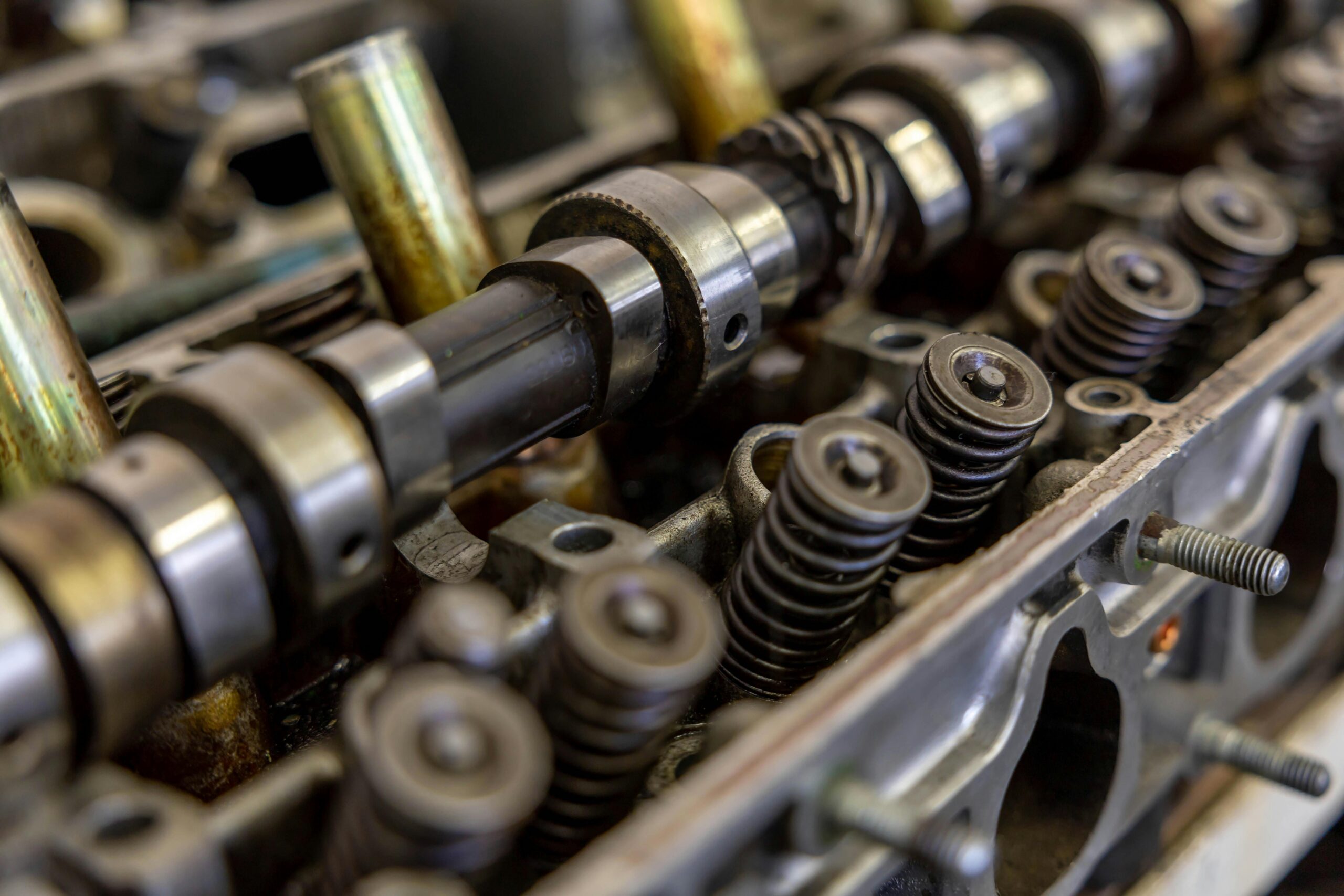
The camshaft is a rotating shaft within the engine that drives the opening and closing of the engine’s intake and exhaust valves. It features a series of cams (lobes) that are strategically shaped to lift and lower the valves at precise intervals. The camshaft is an essential part of the engine’s valve timing system, working in conjunction with the timing belt or timing chain to ensure the valves open and close in perfect synchronization with the engine’s cycle.
Each camshaft operates based on the configuration of the engine, whether it’s an overhead cam (OHC) system or a pushrod system, and depending on the engine type (e.g., single or double camshafts).
Functions of the Camshaft
The camshaft plays a key role in the internal combustion engine’s operation, as it controls the valve timing and, consequently, affects the engine’s performance. Below are the main functions of the camshaft:
1. Controlling Valve Timing
The camshaft rotates, causing the cam lobes to press on the valve lifters or push rods, which in turn open the intake and exhaust valves. The timing of this valve action—when the valves open and close relative to the position of the piston—is crucial for efficient combustion. If the timing is off, the engine could experience reduced power, poor fuel efficiency, or even misfires.
- Intake Valve Opening: The camshaft controls when the intake valve opens to allow the air-fuel mixture to enter the combustion chamber.
- Exhaust Valve Opening: The camshaft also determines when the exhaust valve opens to allow spent gases to exit the combustion chamber.
2. Optimizing Engine Performance
By controlling when the valves open and close, the camshaft directly impacts engine performance. Different camshaft profiles (e.g., aggressive or mild camshaft lobes) can influence the engine’s power band, torque, fuel efficiency, and even the sound of the engine.
- Higher RPMs: For high-performance engines, camshaft lobes are designed to open and close valves at higher speeds, allowing for greater air intake and exhaust expulsion at higher engine speeds.
- Lower RPMs: For smoother idling and better fuel economy at lower engine speeds, the camshaft may have a more moderate lobe design.
3. Controlling Valve Lift
The camshaft lobe design (its size and shape) determines how much the valve will lift, affecting the volume of the air-fuel mixture entering the cylinder or the exhaust gases leaving. Valve lift refers to the distance the valve is lifted from its seat during each cycle. Higher valve lift improves airflow into and out of the cylinder, which can boost engine performance.
How Does the Camshaft Work?
The camshaft is typically driven by the crankshaft via a timing belt or timing chain, ensuring that the camshaft rotates in sync with the crankshaft. As the camshaft rotates, the cams (lobes) on the shaft press on the valve lifters or rocker arms, which in turn move the valves up and down.
- Crankshaft Rotation: The crankshaft rotates in sync with the camshaft, but at half the speed. For example, in a 4-stroke engine, the camshaft completes one rotation for every two rotations of the crankshaft.
- Cam Lobe Action: The cam lobes are designed to open and close the intake and exhaust valves at specific times in the engine cycle. As the cam rotates, the cam lobes press on the valve lifters, causing the valves to open at the correct times during the intake, compression, power, and exhaust strokes.
- Valve Timing and Lift: The camshaft’s lobe shape and timing determine how long the valves stay open and how much they lift. The duration (how long the valve stays open) and lift (how far the valve moves) are key factors in controlling engine performance.
Types of Camshafts
There are different types of camshaft configurations, which vary based on the engine design and desired performance characteristics. The most common types are:
1. Single Overhead Cam (SOHC)
- In a single overhead camshaft (SOHC) design, there is one camshaft located above the cylinder head, operating both the intake and exhaust valves.
- This setup is simpler and lighter than other camshaft configurations and is common in engines with moderate power demands.
2. Double Overhead Cam (DOHC)
- A double overhead camshaft (DOHC) design features two camshafts per cylinder head: one for the intake valves and another for the exhaust valves.
- This configuration allows for more precise control over the timing and lift of each valve, making it ideal for high-performance engines. DOHC engines typically offer higher RPM capabilities and better airflow, improving overall power output.
3. Pushrod Engines (Overhead Valve)
- In pushrod engines, the camshaft is located in the engine block, and its motion is transferred through push rods to rocker arms that control the valves located in the cylinder head.
- While not as common in modern engines, pushrod designs are still used in some V8 engines and are known for being more compact and providing a certain kind of smooth power delivery.
Camshaft Timing
Camshaft timing refers to the precise timing of when the intake and exhaust valves open and close in relation to the position of the piston. Timing is critical because it ensures that the engine can properly inhale the air-fuel mixture and expel exhaust gases, maximizing the efficiency of the combustion process.
Engine manufacturers usually set the camshaft timing for specific conditions—low-end torque, mid-range power, or high-end performance. Variable valve timing (VVT) is a technology used in modern engines to adjust the camshaft timing dynamically, depending on the engine’s RPM and load. This improves fuel efficiency, reduces emissions, and enhances performance across a wide range of operating conditions.
Camshaft Design and Profiles
The design of the camshaft itself plays a major role in the engine’s characteristics. The camshaft’s profile (also known as the camshaft grind) refers to the shape of the cam lobes, which affects how the engine behaves at various speeds.
1. Mild Camshaft Profiles
- Mild cam profiles are designed for smoother idling and better fuel economy. These profiles open the valves more gradually and for a shorter duration, which is ideal for low and mid-range RPMs.
2. Performance Camshaft Profiles
- Aggressive cam profiles are designed for high-performance engines. These profiles have larger lobes, which open the valves for longer durations and higher lifts. This allows for more air-fuel mixture to enter the combustion chamber at high RPMs, boosting horsepower and torque. However, such camshafts may sacrifice idling smoothness and fuel efficiency.
Common Issues with Camshafts
While camshafts are designed to last a long time, there are a few common issues that can arise, particularly in engines that are not maintained properly:
1. Camshaft Wear
- Over time, the camshaft lobes can wear down, particularly if the engine has been poorly maintained or the oil quality is subpar. Wear on the cam lobes reduces the valve lift and can lead to poor engine performance or misfires.
2. Timing Issues
- If the timing chain or timing belt that drives the camshaft becomes loose or damaged, the camshaft timing can be thrown off, leading to poor performance, rough idling, or engine failure.
3. Camshaft Cracks
- Camshafts are subjected to high stresses, and under extreme conditions (such as improper maintenance or poor-quality materials), the camshaft can develop cracks. This typically results in catastrophic engine damage and requires a complete replacement of the camshaft.
4. Valve Timing Problems
- Improper valve timing due to a malfunctioning timing mechanism or camshaft components can cause severe engine performance issues, such as backfiring, excessive emissions, or loss of power.
Conclusion
The camshaft is a crucial component of an internal combustion engine, controlling the opening and closing of the intake and exhaust valves, and directly influencing the engine’s performance, efficiency, and power output. Its design and operation must be finely tuned for the engine to perform at its best, whether it’s for daily driving, high-performance racing, or fuel efficiency.
Understanding the importance of the camshaft, its timing, and its role in valve operation can help vehicle owners and mechanics troubleshoot issues and optimize engine performance. Whether you are dealing with a standard SOHC engine or a high-performance DOHC engine, the camshaft remains at the heart of the engine’s ability to breathe and generate power.
https://www.pexels.com/photo/close-up-of-engine-camshaft-and-valve-springs-29226618/