The History of the Ford Mustang: An American Icon
The Ford Mustang is one of the most celebrated and enduring vehicles in automotive history, embodying performance, style, and American spirit. Since its introduction in 1964, the Mustang has captivated car enthusiasts, evolved through decades, and cemented its place as an automotive legend.
Origins: The Birth of the Mustang
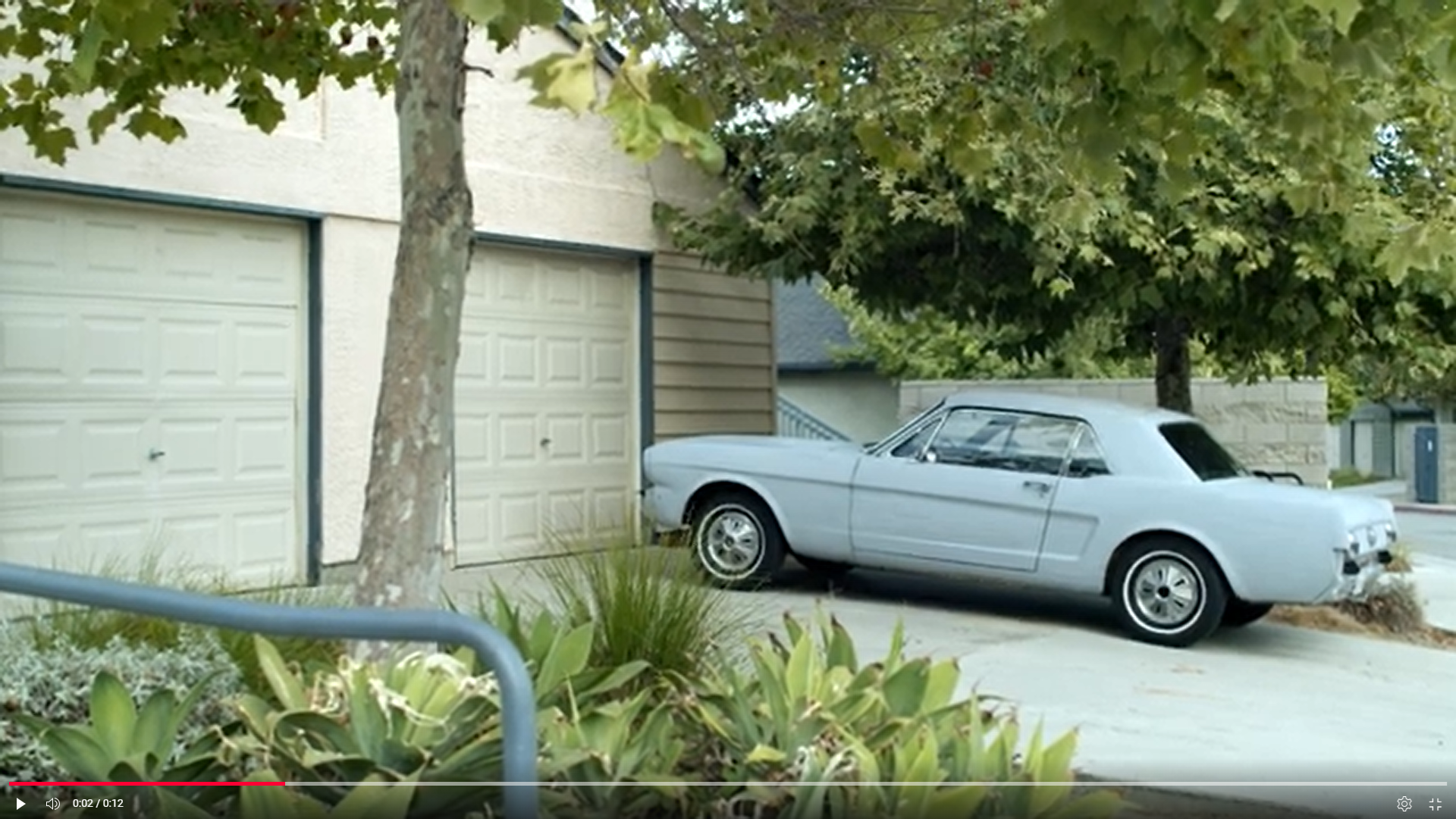
- 1964 ½ Launch: The Ford Mustang debuted on April 17, 1964, at the New York World’s Fair. This “1964 ½” model marked the birth of the pony car segment, combining sporty styling with affordability.
- Visionaries: Ford executive Lee Iacocca spearheaded the Mustang project, aiming to create a car that appealed to the youth market with customizable options and an accessible price point.
- Instant Success: Priced at $2,368, the Mustang exceeded expectations, selling over 400,000 units in its first year.
First Generation (1965–1973): The Classic Pony Car
- Iconic Design: The first-generation Mustang featured long hoods, short rear decks, and a sporty stance, with options like the fastback, coupe, and convertible.
- Shelby GT350 and GT500: In collaboration with Carroll Shelby, Ford introduced high-performance variants like the GT350 and GT500, solidifying the Mustang’s reputation as a performance car.
- Cultural Impact: The Mustang became a cultural icon, appearing in films like Bullitt (1968) and inspiring a generation of enthusiasts.
Second Generation (1974–1978): The Mustang II
- Downsizing: In response to the 1970s oil crisis and stricter emissions regulations, Ford introduced the Mustang II, a smaller, fuel-efficient model based on the Ford Pinto platform.
- Controversial Changes: While the Mustang II was successful in sales, it was criticized for its departure from the performance-oriented spirit of the original.
Third Generation (1979–1993): The Fox Body Era
- New Platform: The Mustang transitioned to the Fox platform, featuring a larger body and improved aerodynamics.
- Return to Performance: The 1980s saw a resurgence of performance with the introduction of the 5.0-liter V8 engine, making the Mustang a favorite among enthusiasts once again.
- Versatility: Available as a coupe, hatchback, or convertible, the Fox Body Mustang appealed to a broad audience and remains highly sought after by collectors today.
Fourth Generation (1994–2004): A Modern Revival
- Redesigned Look: The fourth-generation Mustang brought a more modern and muscular design, paying homage to its heritage while embracing contemporary trends.
- Special Editions: Ford introduced several notable variants, including the Cobra, Bullitt, and Mach 1, which offered enhanced performance and styling.
- SVT Cobra: The high-performance SVT Cobra, especially the 2003–2004 “Terminator” model, became a standout for its supercharged V8 engine.
Fifth Generation (2005–2014): Retro-Inspired Renaissance
- Retro Styling: The fifth-generation Mustang returned to its roots with design cues inspired by the classic models of the 1960s.
- Increased Power: New powertrains, including the 4.6-liter and later 5.0-liter V8s, delivered impressive performance.
- Shelby GT500: Ford collaborated with Shelby to reintroduce the GT500, featuring a supercharged engine and aggressive styling.
Sixth Generation (2015–Present): Global Icon
- Modernization: The sixth-generation Mustang introduced independent rear suspension for the first time, significantly improving handling and ride quality.
- EcoBoost: Alongside V8 engines, Ford added a turbocharged EcoBoost 4-cylinder engine, catering to a global audience.
- Mach-E: The Mustang name expanded to include the all-electric Mach-E SUV, blending Mustang heritage with cutting-edge technology.
Special Editions and Performance Models
Throughout its history, the Mustang has been known for its limited editions and high-performance variants:
- Shelby GT350/GT500: Legendary performance cars with track-ready capabilities.
- Boss 302/429: High-performance models from the late 1960s and early 1970s, revived in modern iterations.
- Bullitt: Inspired by the 1968 Steve McQueen film, these special editions combine style with enhanced performance.
Cultural Significance
- Pop Culture: The Mustang has appeared in countless movies, TV shows, and songs, cementing its place in American culture.
- Motorsports: The Mustang has a rich racing heritage, from drag strips to NASCAR and road courses.
- Community: Mustang clubs and enthusiasts around the world celebrate its legacy through events, car shows, and track days.
Conclusion
The Ford Mustang has remained a symbol of freedom, performance, and style for nearly six decades. From its humble beginnings as an affordable sports car to its status as a global icon, the Mustang’s legacy continues to thrive, proving its enduring appeal to enthusiasts of all ages. Whether you’re drawn to the classic models of the 1960s or the cutting-edge technology of today’s Mustangs, this legendary car holds a timeless place in automotive history.