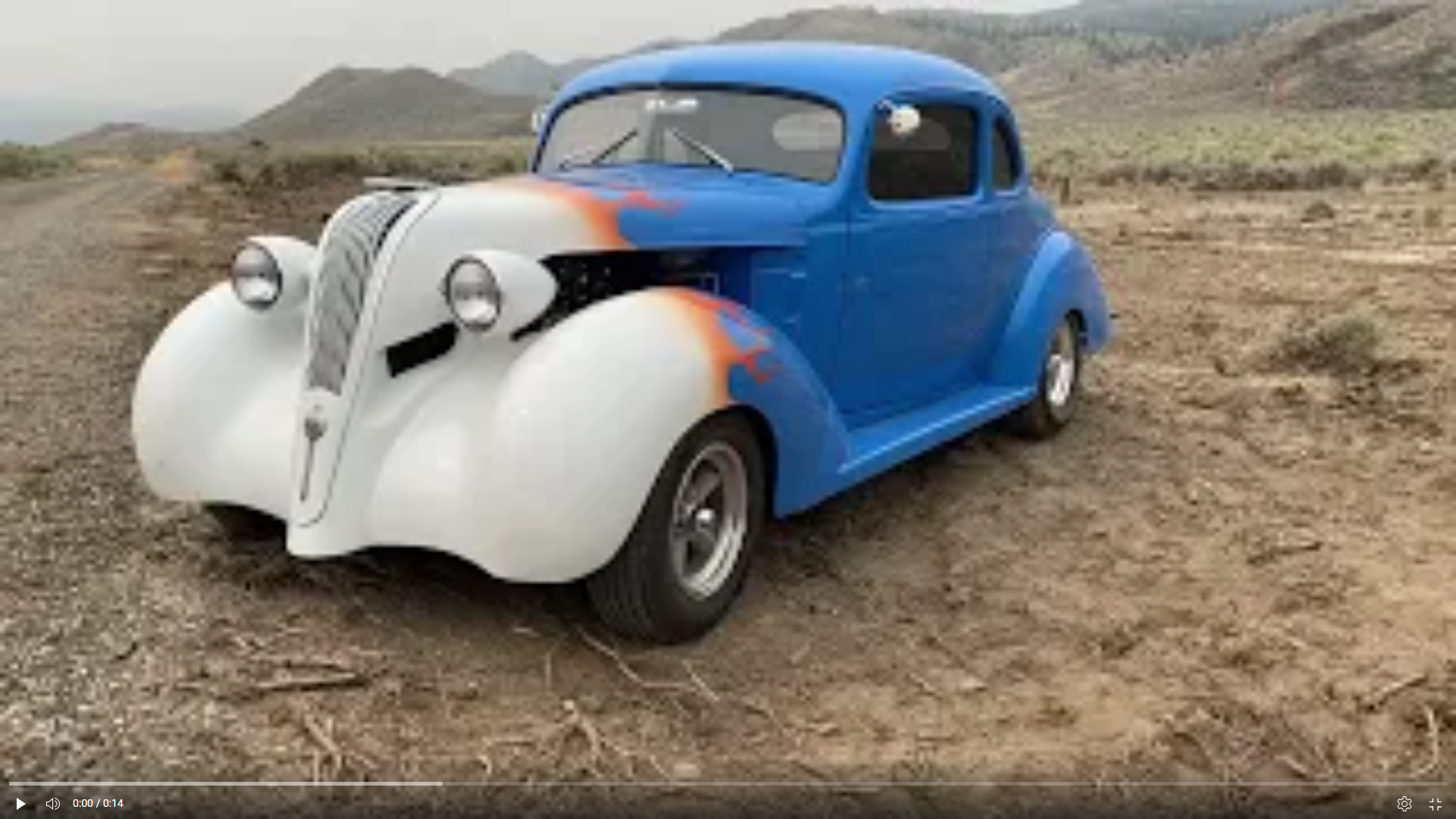
The 1937 Plymouth Coupe is an iconic example of pre-war American automotive design. It holds a special place in the hearts of classic car enthusiasts for its distinctive styling, engineering innovations, and the role it played in solidifying Plymouth’s reputation as a reliable and affordable brand during the Great Depression.
Design and Styling
The 1937 Plymouth Coupe reflects the Art Deco influences of the era, characterized by smooth, flowing lines and aerodynamic curves. Key design features include:
- Streamlined Body: A teardrop-shaped silhouette with integrated fenders and a sleek profile.
- Front Grille: A vertical, waterfall-style grille that exudes elegance and class.
- Headlights: Rounded, standalone headlights mounted on the fenders, a hallmark of the period.
- Two-Door Layout: The coupe body style was compact yet stylish, ideal for individuals or small families.
Interior Features
The interior of the 1937 Plymouth Coupe was designed to offer comfort and practicality:
- Bench Seat: A wide, comfortable seat that could accommodate up to three passengers.
- Dashboard: Simple and functional, with easy-to-read gauges and a clean design.
- Materials: Upholstery typically included mohair or vinyl, depending on the trim level.
Engine and Performance
The 1937 Plymouth Coupe was powered by a flathead six-cylinder engine, which was a testament to Plymouth’s focus on durability and performance:
- Engine: A 201-cubic-inch inline-six engine producing 70 horsepower.
- Transmission: Equipped with a three-speed manual gearbox.
- Reliability: Known for being robust and capable of handling long drives and rugged conditions.
- Ride Quality: The coupe featured improved suspension for a smoother ride compared to earlier models.
Innovations
Plymouth was a forward-thinking brand in the 1930s, and the 1937 Coupe introduced several innovations:
- “Floating Power” Engine Mounts: Reduced engine vibrations, providing a quieter and smoother driving experience.
- Hydraulic Brakes: One of the first cars in its class to feature four-wheel hydraulic brakes, enhancing safety and stopping power.
- All-Steel Body: A durable and rust-resistant construction, a significant advancement for the time.
Cultural Impact
During its era, the 1937 Plymouth Coupe was a popular choice among consumers for its affordability, reliability, and stylish design. It competed with Ford and Chevrolet in the highly competitive market and managed to carve out a loyal customer base.
Today, the car is a favorite among collectors and hot rod enthusiasts. Its timeless design and solid engineering make it a common choice for restoration projects, custom builds, and vintage car shows.
Conclusion
The 1937 Plymouth Coupe is a shining example of pre-war automotive ingenuity and design. It represents an era when cars were not just transportation but symbols of style and progress. Whether left in its original condition or transformed into a hot rod, the 1937 Plymouth Coupe continues to captivate and inspire car enthusiasts worldwide.