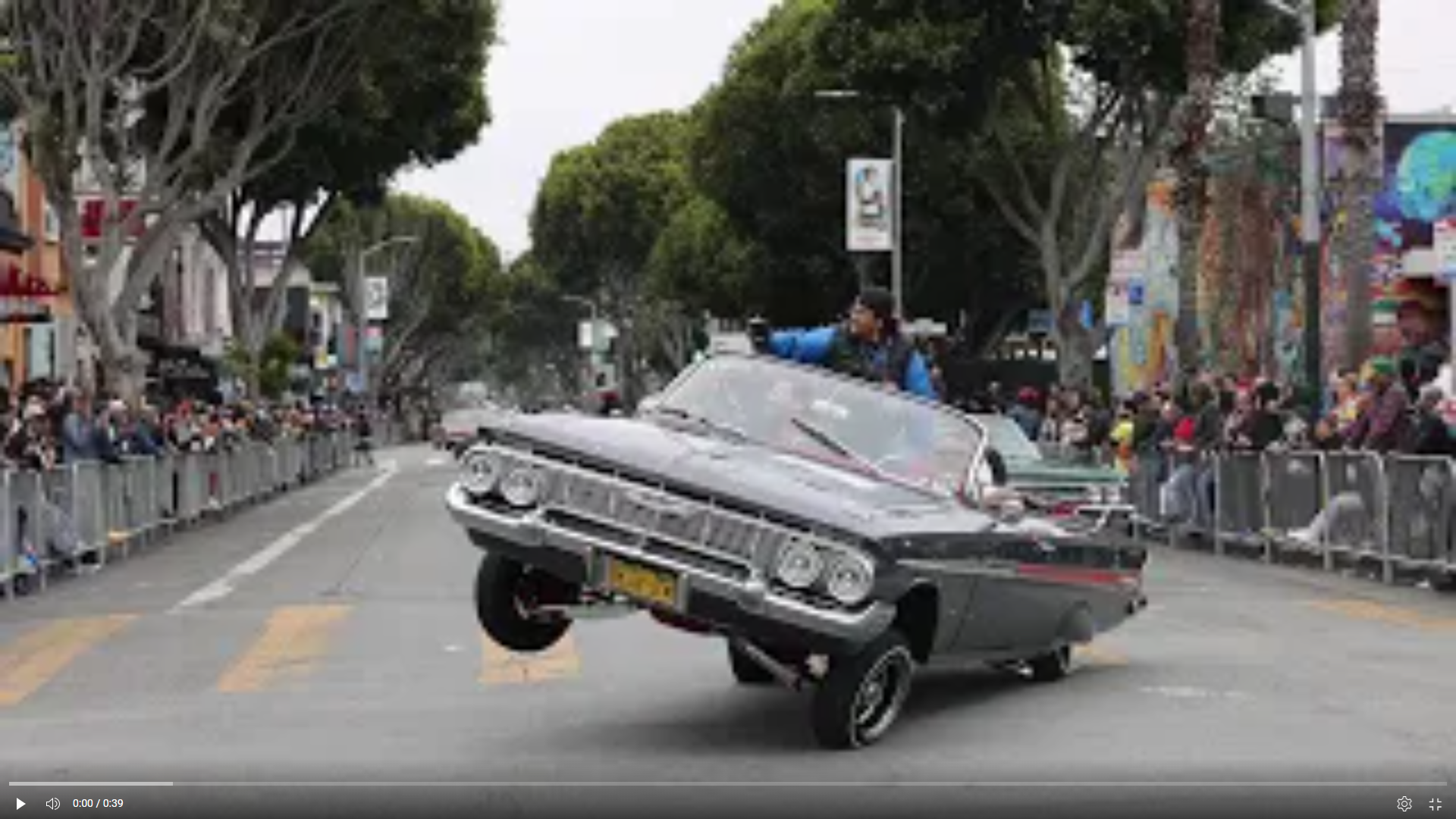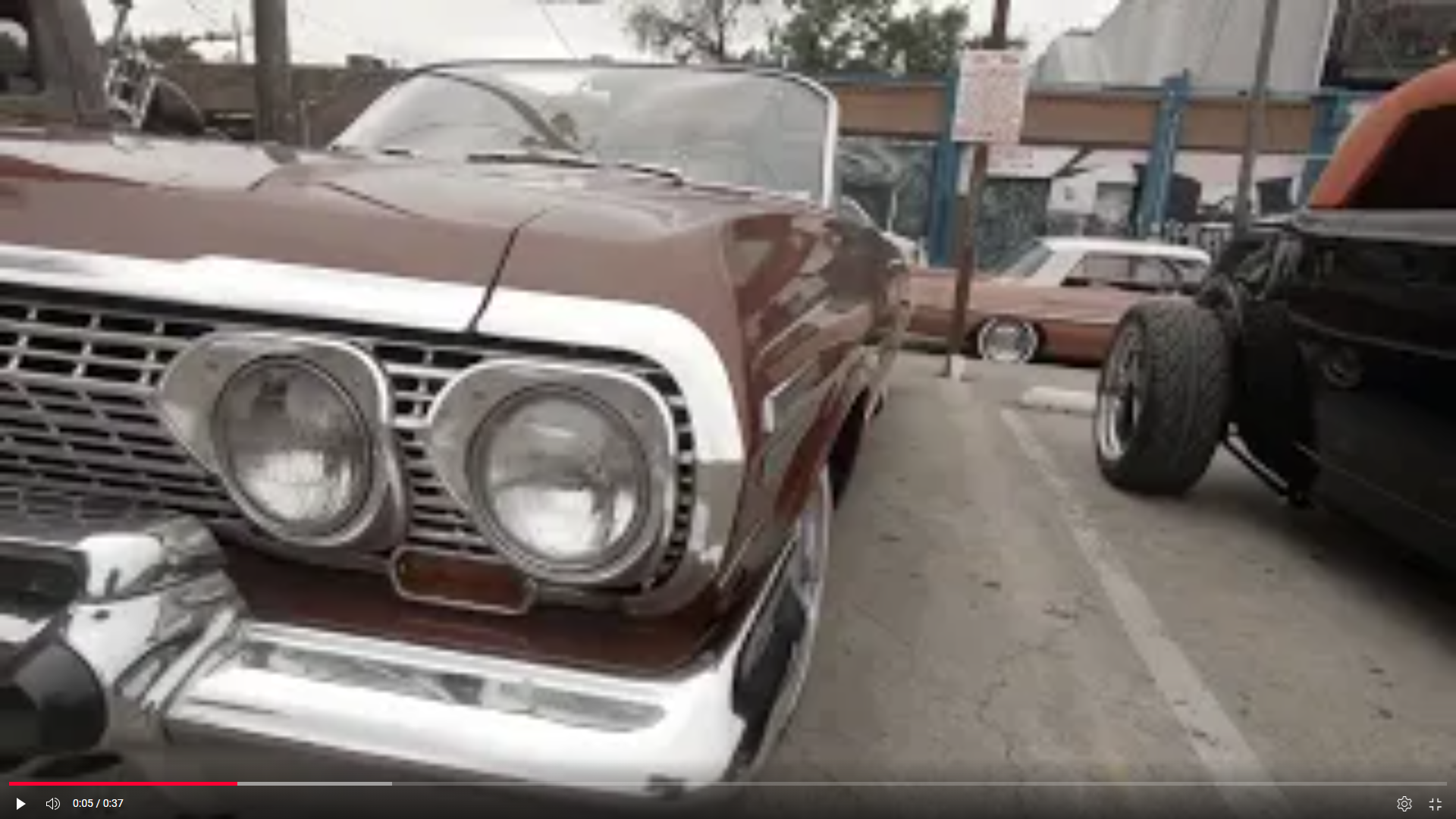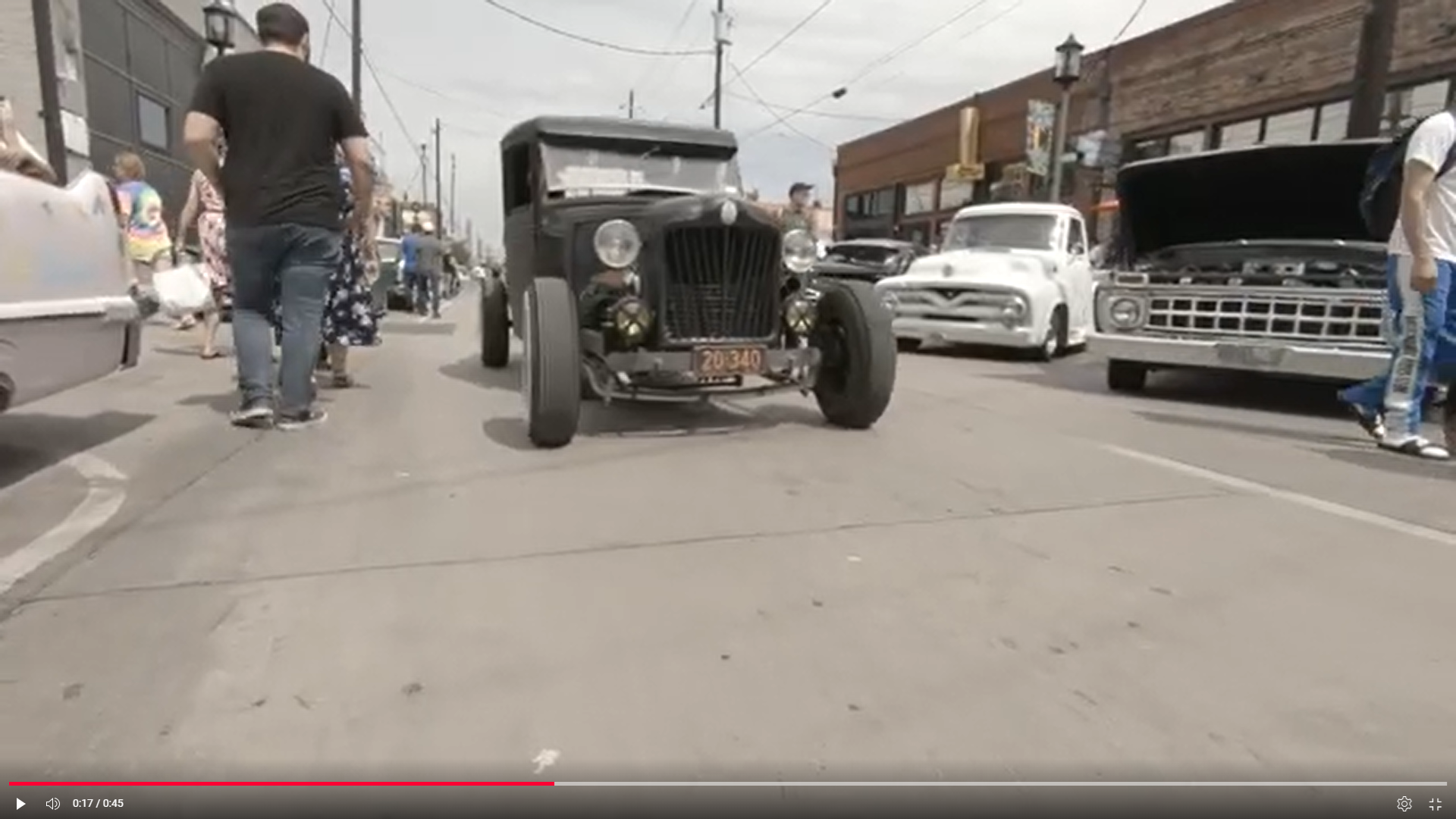
The love for vintage cars over modern cars stems from a mix of nostalgia, aesthetics, craftsmanship, and emotional connection. Here’s an exploration of why many enthusiasts and collectors gravitate toward vintage automobiles:
1. Aesthetics and Timeless Design
- Unique Styling: Vintage cars are often celebrated for their distinctive, timeless designs. Unlike the standardized shapes of many modern cars, classic vehicles have bold, creative lines, elegant curves, and unique details like tailfins, chrome accents, and ornate grilles.
- Character: Each vintage car model reflects the design philosophy of its era, making them visually striking and different from anything on today’s roads.
2. Craftsmanship and Engineering
- Hand-Built Quality: Many vintage cars were built with craftsmanship that prioritized quality over mass production. From hand-stitched leather interiors to polished wood dashboards, these vehicles showcase artisanal skill.
- Durability: Some vintage models, particularly those from the 1950s and earlier, were built with heavy-duty materials like steel, which contribute to their longevity and mechanical reliability when properly maintained.
3. Nostalgia and Emotional Connection
- Living History: Vintage cars are time capsules that transport owners back to a different era. Driving a classic car evokes memories of a simpler time or a golden age of motoring.
- Personal Memories: For some, vintage cars hold sentimental value, reminding them of a car their family owned or one they admired growing up.
4. Driving Experience
- Analog Feel: Vintage cars offer a raw, mechanical driving experience that many find more engaging than the insulated feel of modern cars. With manual transmissions, unassisted steering, and a lack of computerized aids, driving a vintage car is a tactile, rewarding endeavor.
- Connection to the Machine: Modern cars often rely on electronic systems, but vintage cars demand skill and attention, fostering a deeper connection between driver and machine.
5. Simplicity and Ease of Repair
- Less Technology: Vintage cars are free from complex electronics and computer systems, making them easier for mechanically inclined owners to repair and maintain.
- Parts Accessibility: In some cases, vintage car parts can be sourced or fabricated more easily than proprietary components of modern vehicles.
6. Exclusivity and Prestige
- Rarity: Many vintage cars are rare or limited edition, making them highly sought after. Driving or owning a classic vehicle is a statement of individuality and distinction.
- Status Symbol: Vintage cars are often seen as symbols of elegance, sophistication, and taste, distinguishing their owners in a way modern cars often cannot.
7. Cultural and Historical Significance
- Icons of Their Time: Many vintage cars are tied to significant moments in history or pop culture. For instance, the Ford Mustang became synonymous with the American muscle car era, while Volkswagen Beetles evoke images of the 1960s counterculture.
- Cultural Preservation: Owning a vintage car is a way of preserving and celebrating automotive history, ensuring future generations can appreciate these mechanical marvels.
8. Investment Value
- Appreciation Over Time: Unlike most modern cars that depreciate rapidly, vintage cars can appreciate in value, especially rare or iconic models in excellent condition.
- Collector’s Passion: For many, collecting vintage cars is not just a hobby but also a lucrative investment.
9. Sense of Community
- Car Clubs and Events: Vintage car ownership often comes with membership in a passionate community of enthusiasts. Events like classic car shows, rallies, and cruises foster camaraderie and shared appreciation.
- Heritage: Many vintage car owners take pride in passing down their vehicles through generations, creating a lasting family legacy.
10. Modern Cars vs. Vintage Cars
While modern cars excel in safety, fuel efficiency, and convenience, they often lack the soul and character that vintage cars offer. Modern vehicles are frequently seen as tools for transportation, whereas vintage cars are celebrated as works of art and symbols of an era.
Conclusion
People love vintage cars because they represent more than just transportation—they are pieces of history, symbols of individuality, and embodiments of a passion for craftsmanship. Whether it’s the visceral joy of driving a classic or the admiration of its timeless beauty, vintage cars continue to capture hearts in a way that modern cars, for all their advanced features, rarely can
Hot or Not ?
Click on a star to rate it!
Average rating 0 / 5. Vote count: 0
No votes so far! Be the first to rate this post.