The Art of Lowriding: A Celebration of Style and Culture
Lowriders are more than just customized cars—they’re rolling works of art that embody history, craftsmanship, and a deep sense of cultural pride. Rooted in the Chicano communities of the American Southwest, lowriding has evolved into a global phenomenon that continues to inspire and unite enthusiasts from all walks of life.
From their intricate designs to the cultural significance they carry, lowriders are a testament to creativity and self-expression. Let’s explore the world of lowriders, their origins, and their lasting impact on car culture and beyond.
What is a Lowrider?
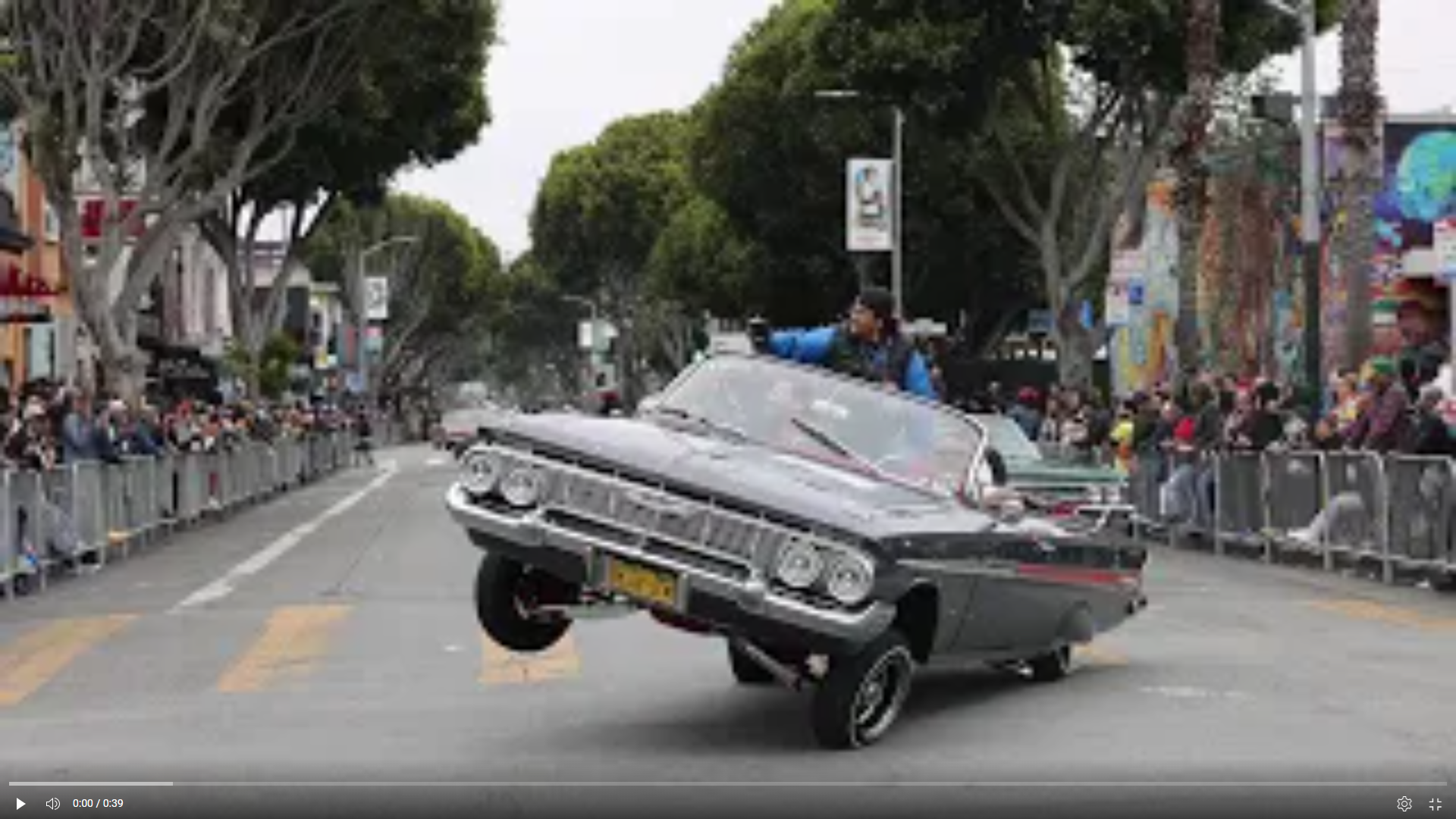
A lowrider is a car, often a vintage classic, that has been modified to ride low to the ground. These vehicles typically feature:
- Hydraulic or Air Suspension: Allows drivers to raise or lower the car with the flick of a switch, sometimes enabling the car to “bounce” or tilt.
- Custom Paint Jobs: Vibrant, multi-layered colors, intricate pinstriping, and murals that tell personal or cultural stories.
- Chromed-Out Details: Polished chrome accents, wire-spoke wheels, and custom grilles add a touch of elegance.
- Luxurious Interiors: Plush upholstery, custom dashboards, and even sound systems designed to impress.
Lowriders are not just about the cars themselves but about the artistry and passion poured into every detail.
The Origins of Lowriding
Lowriding traces its roots to the 1940s and 1950s, particularly within the Chicano communities of Los Angeles. During this time, Mexican-American youth began customizing older cars as a way to express identity and pride. Early lowriders were modest, with simple lowering techniques like cutting coil springs or adding sandbags to the trunk to achieve a lowered stance.
The movement gained momentum in the 1960s and 1970s as hydraulic systems became popular. Inspired by aircraft technology, hydraulics allowed cars to be lowered for cruising and raised for driving over obstacles, revolutionizing the lowrider aesthetic.
Lowriders and Cultural Expression
Lowriders are deeply tied to Chicano culture and serve as a form of storytelling and artistic expression. The vibrant murals and paintwork often depict:
- Cultural Heritage: Images of Aztec warriors, religious figures, or symbols of Mexican-American identity.
- Personal Stories: Family portraits, tributes to loved ones, or scenes from life experiences.
- Community Pride: Club names, neighborhood landmarks, or cultural icons.
For many, lowriding is a way to honor their roots while sharing their artistry with the world.
The Role of Lowrider Car Clubs
Car clubs have been central to the lowrider scene. Clubs like the Imperials, Lifestyle, and Majestics helped organize events, establish standards, and foster a sense of community. Members often wear matching jackets and participate in parades, shows, and charity events, showcasing their vehicles as symbols of unity and craftsmanship.
These clubs also play a vital role in preserving the culture, passing down traditions, and mentoring younger generations of lowrider enthusiasts.
Lowrider Magazine and Mainstream Popularity
In 1977, Lowrider Magazine debuted as the definitive publication for the lowrider community. Featuring stunning photography, technical guides, and stories from the scene, the magazine helped elevate lowriding from a regional movement to a national and global phenomenon.
Music also played a significant role in popularizing lowriding. Artists like War, Zapp, and later hip-hop legends like Snoop Dogg and Dr. Dre showcased lowriders in music videos, cementing their place in pop culture.
The Lowrider Lifestyle
Lowriding is as much about the journey as it is about the car. Enthusiasts often refer to “cruising” as a way of life—slowly rolling through neighborhoods or along boulevards, sharing their art with the community. Iconic cruising spots like Whittier Boulevard in Los Angeles or International Boulevard in Oakland became cultural landmarks for lowrider culture.
The lowrider lifestyle emphasizes respect, pride, and community, making it a powerful force for cultural preservation and celebration.
Challenges and Resilience
Over the years, lowrider culture has faced challenges. Laws targeting modified cars, negative stereotypes, and police harassment threatened the movement. Despite these obstacles, the lowrider community has remained resilient, advocating for recognition and pushing back against misconceptions.
Today, lowriders are celebrated as cultural treasures, featured in museums like the Petersen Automotive Museum in Los Angeles and the Smithsonian.
Why Lowriders Endure
Lowriders endure because they represent more than just cars—they are symbols of identity, artistry, and resilience. Each lowrider is a statement of individuality and a piece of living history. The movement continues to evolve, with new generations adding fresh perspectives while honoring the traditions that started it all.
From the streets of East Los Angeles to car shows around the globe, lowriders remain a vibrant and enduring part of car culture. They are a testament to the power of creativity and the unbreakable spirit of those who dare to ride low and dream big.