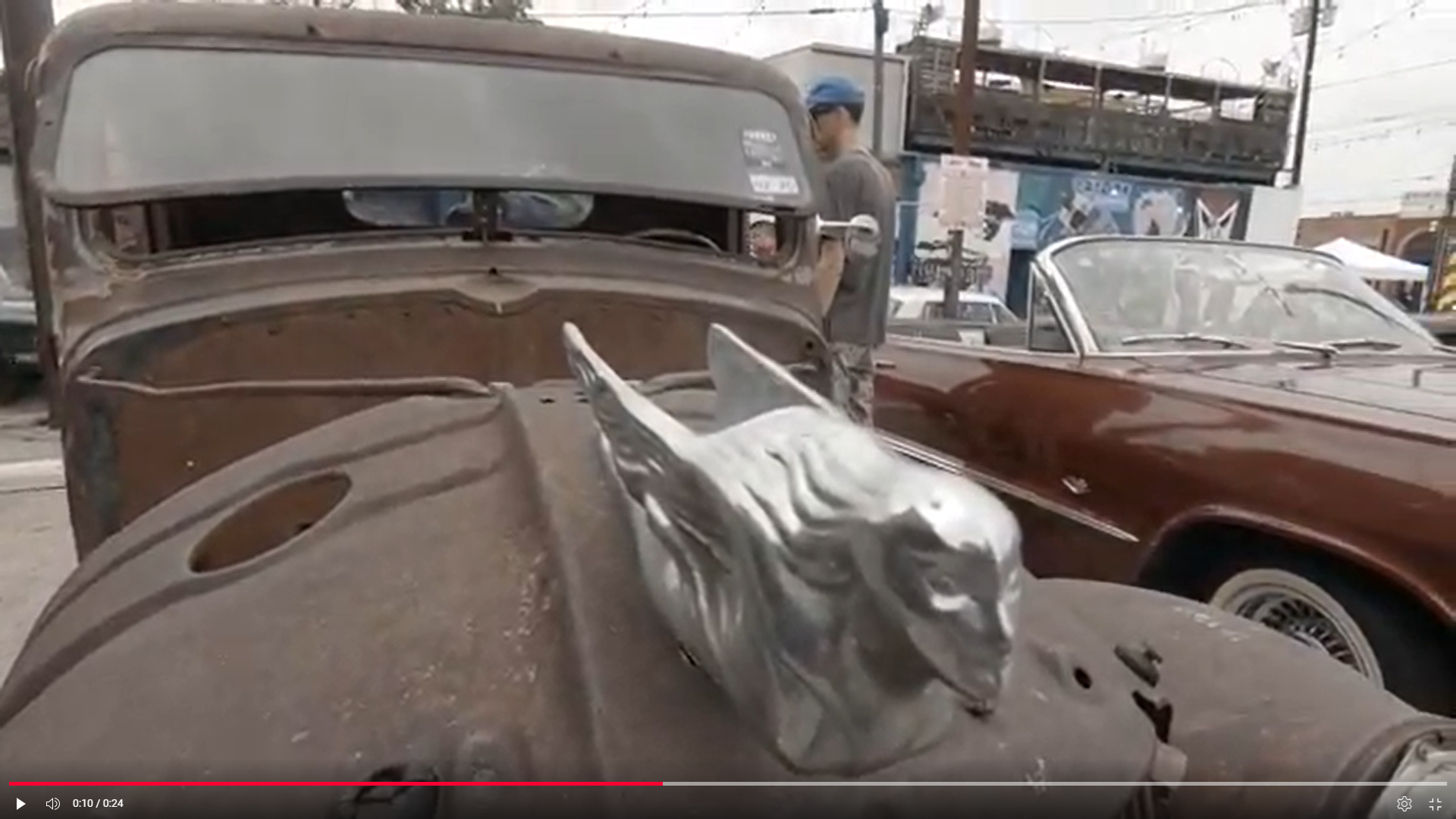
Rusty Classic Car
https://www.pexels.com/video/rusty-classic-car-4475812/
The Rise of Rusty Cars: A Unique Subculture in Classic Car Enthusiasm
In the world of classic car culture, a pristine, showroom-fresh vehicle is often considered the gold standard. However, there’s a growing subculture that celebrates the raw, weathered charm of rusted cars. Known as “patina culture,” this movement embraces the beauty of imperfection and the stories told by faded paint, dented panels, and rusty finishes.
This unconventional aesthetic isn’t just about neglect; it’s a deliberate choice that speaks to authenticity, history, and a rebellious spirit. Let’s dive into the world of rusty-look cars and explore why this trend has captured the hearts of so many car enthusiasts.
What Are Rusty-Look Cars?
Rusty-look cars, often referred to as “patina cars,” are vehicles that proudly display their age and wear. Instead of hiding rust, faded paint, or surface imperfections, owners highlight these features as badges of honor. Some enthusiasts even go a step further by artificially aging cars to achieve the desired look, combining vintage authenticity with modern artistry.
These cars can range from barn finds—vehicles pulled from decades of storage—to carefully curated custom builds that mix a rusty exterior with cutting-edge mechanics and luxurious interiors.
Why Rusty Cars? The Appeal of Imperfection
- Authenticity: A rusty car tells a story. Each patch of rust, dent, or faded paint is a reminder of the vehicle’s journey, from weathering storms to enduring the wear and tear of daily life. For enthusiasts, preserving this “history” is more meaningful than covering it up with a shiny paint job.
- Rebellion Against Perfection: In a world obsessed with polish and perfection, rusty-look cars stand out. They reject conventional norms and embrace individuality, appealing to those who value character over conformity.
- Affordability: Restoring a classic car to pristine condition can be prohibitively expensive. Patina culture offers a more accessible way to enjoy the classic car lifestyle, focusing on the mechanical restoration and leaving the exterior untouched or intentionally aged.
- Creative Expression: Rusty cars often serve as blank canvases for customization. From stenciled designs to quirky accessories, owners use the patina as a base to create truly one-of-a-kind vehicles.
The Art of Preserving Rust
Maintaining a rusty car isn’t as simple as letting nature take its course. Enthusiasts carefully manage rust to prevent it from becoming destructive. Techniques include:
- Clear Coating: Applying a clear coat over the rust preserves its appearance while protecting the metal from further corrosion.
- Matte Finishes: Some owners enhance the rusty look with matte sealants that lock in the patina without making it overly glossy.
- Controlled Aging: To achieve a uniform look, some builders use chemical processes to create or accelerate rust on specific areas.
The result is a car that looks authentically aged but remains structurally sound and safe to drive.
Rat Rods: The Rusty Aesthetic Taken to the Extreme
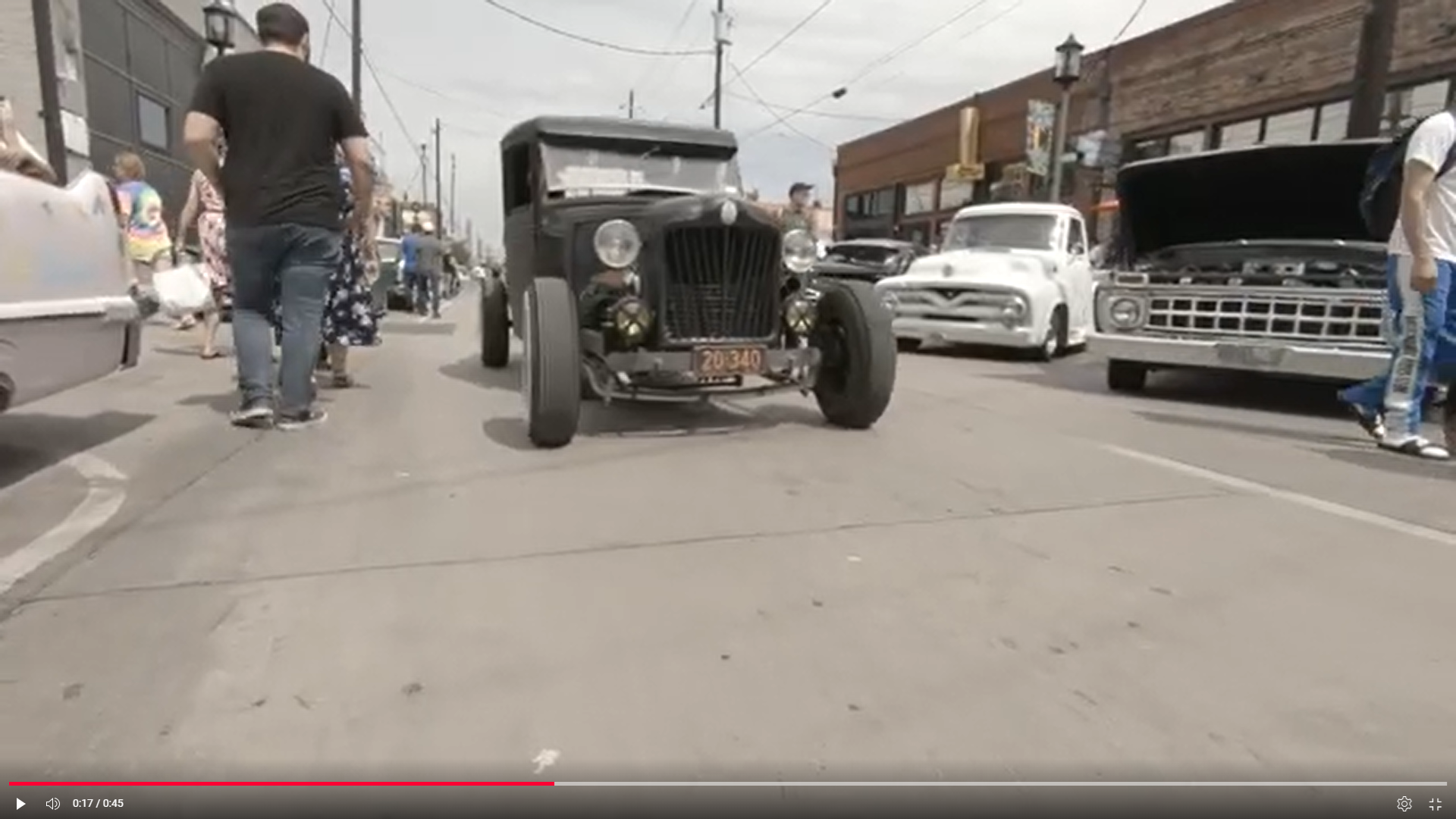
The rat rod movement is a prominent part of the rusty car culture. Rat rods are hot rods built with a focus on creativity, functionality, and an intentionally rough appearance. They often feature mismatched parts, exposed mechanical components, and plenty of rust.
The philosophy behind rat rods is rooted in the DIY spirit. Builders prioritize performance and character over polish, resulting in cars that are unapologetically raw and bursting with personality.
Rusty Cars at Shows and Events
Rusty-look cars are becoming stars at car shows and gatherings. Events like the Viva Las Vegas Rockabilly Weekend and local hot rod meets celebrate patina culture alongside more traditional builds. These shows often feature awards for the best patina, recognizing the craftsmanship and creativity that goes into maintaining and enhancing a rusty aesthetic.
Criticism and Misconceptions
Not everyone in the classic car world embraces the rusty look. Critics argue that rust detracts from the value and integrity of a vehicle. Some purists view patina culture as a shortcut or a lack of commitment to proper restoration.
However, proponents see it differently. For them, the rusty aesthetic is a tribute to a car’s authentic life story, prioritizing preservation over erasure.
Why Rusty Cars Are Here to Stay
Rusty-look cars are more than a trend; they’re a philosophy. They challenge traditional notions of beauty and value, proving that imperfection can be just as compelling as perfection. As the classic car world evolves, the patina culture continues to grow, offering a fresh perspective on what it means to truly love and appreciate vintage vehicles.
So, the next time you see a rusty classic on the road or at a show, take a closer look. You might just see a masterpiece of history, character, and craftsmanship.